

Wisconsin farm venue alcohol law takes effect in 2026

Wedding barn alcohol law takes effect in 2026
New restrictions on serving alcohol at Wisconsin farm venues take effect in 2026. There's already a bipartisan push to change it.
RICHFIELD, Wis. - New restrictions on serving alcohol at Wisconsin farm venues take effect in 2026. But before the law even goes into effect, there's already a bipartisan push to change it.
What is the new law?
The backstory:
The change that takes effect Thursday is part of a much broader liquor law that passed in 2023. It means farm venues have two options starting on Thursday, Jan. 1:
- Get a new state permit that allows just beer and wine at six events per year, and a maximum of one per month
- Apply for a local alcohol license, of which there are sometimes none left in a given municipality
FREE DOWNLOAD: Get breaking news alerts in the FOX LOCAL Mobile app for iOS or Android
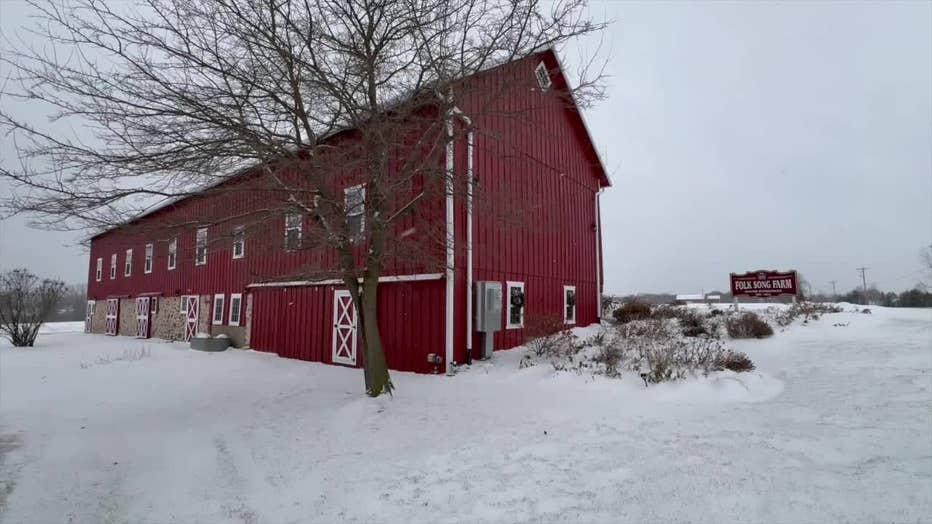
Folk Song Farm in Richfield
Farm venue navigates change
What they're saying:
The new restrictions have been a worry for farm venues, like Folk Song Farm in Richfield, since they were signed into law.
"We've had to try to find a way to navigate forward," said co-owner Shelly Mayer.
SIGN UP TODAY: Get daily headlines, breaking news emails from FOX6 News
Venues known as wedding barns will no longer be able to let brides and grooms bring their own booze and bartenders. Bars themselves and other event space operators said wedding barns had an unfair competitive advantage under the old system – but people like Mayer have a different take.
"Felt a little bit like venues like ours were being picked on, looking for a way to close them down, to eliminate competition," Mayer said.
The village of Richfield granted a beer and wine license to Folk Song Farm, so it can serve some alcohol moving forward. However, it cannot serve popular wedding signature drinks, like an old fashioned, a Moscow mule or other cocktails.
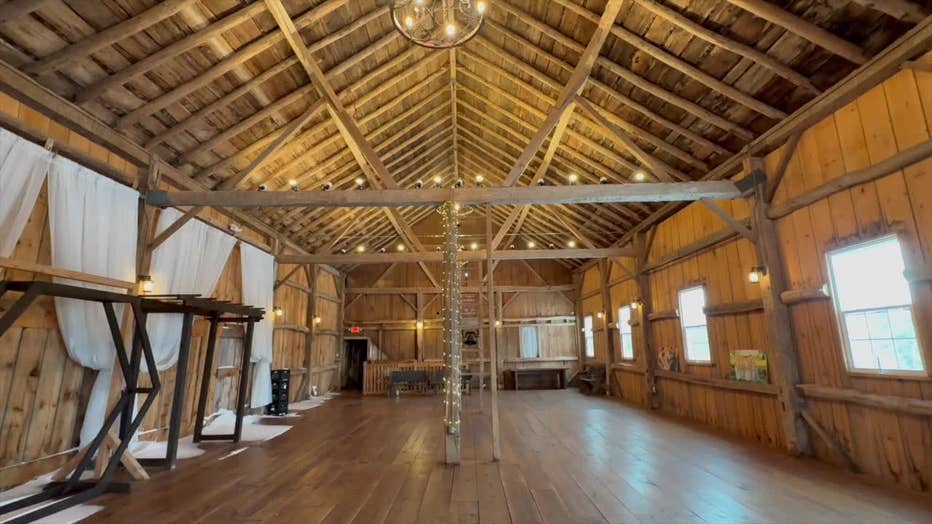
Folk Song Farm in Richfield
"It's been a lot of questions and doubt, and it definitely has caused a stutter in our business activity," Mayer said.
Mayer and Folk Song Farm are looking ahead to 2026.
"This is the first year since I opened that we've had availabilities for family events, like weddings, et cetera, on a Saturday," she said. "We've had couples come in, and they're like, 'Well, you're not certain that you're going to get a liquor license, or you can't get a full liquor license?' and then they walk out, and they have other places to go."
Bipartisan push for change
Dig deeper:
As these new restrictions go into effect, there's a new push to change the law.
"Now that that deadline is right upon us, we have a problem because many of the venues that are affected do not want to get a liquor license," said State Sen. Mark Spreitzer (D-Beloit). "These are seasonal venues that don’t wish to be in the business of selling alcohol, they just want to rent space to private events that then bring in their own food and beverage."
Spreitzer is preparing to introduce a bipartisan bill to allow farm venues to get the new state permit for 36 events per year – and it would allow for beer, wine and hard liquor.
Capitol in Madison
"My understanding is a lot of venues, that their bookings are down by over 75%," he said. "Some venues have gone ahead and got a liquor license, which if that works for them, OK, but that will mean that things are more expensive for the couples that want to get married there.
"If you have a liquor license, you have to totally retrofit your space. You have to have the ability to securely store alcohol 24/7, not just when there’s an event happening."
Tavern League wanted restrictions
The other side:
The Tavern League of Wisconsin did not respond to FOX6's request for an interview by the deadline for this story.
In 2023, though, the league told FOX6 why it wanted the changes. It said the public deserves regulation when alcohol is at an event – public or private.
The Source: FOX6 News reviewed the current law, reviewed a new proposal, and interviewed Mayer and Spreitzer, reached out to the Tavern League of Wisconsin, and referenced prior coverage related to the law.