

Minnesota data centers: Bill proposes ban on officials entering nondisclosure agreements

Bill would prohibit cities from nondisclosure agreements
After controversy over cities and counties signing nondisclosure agreements related to proposed data centers, the Minnesota Legislature is considering a bill that would prohibit cities from entering into nondisclosure agreements.
ST. PAUL, Minn. (FOX 9) - Minnesota lawmakers want to prevent municipalities, and those representing them, from entering nondisclosure agreements (NDAs).
Proponents of the bill say this is in response to some local officials signing NDAs with data center developers.
READ MORE: Google revealed as developer behind controversial Hermantown data center
Data center nondisclosure agreements
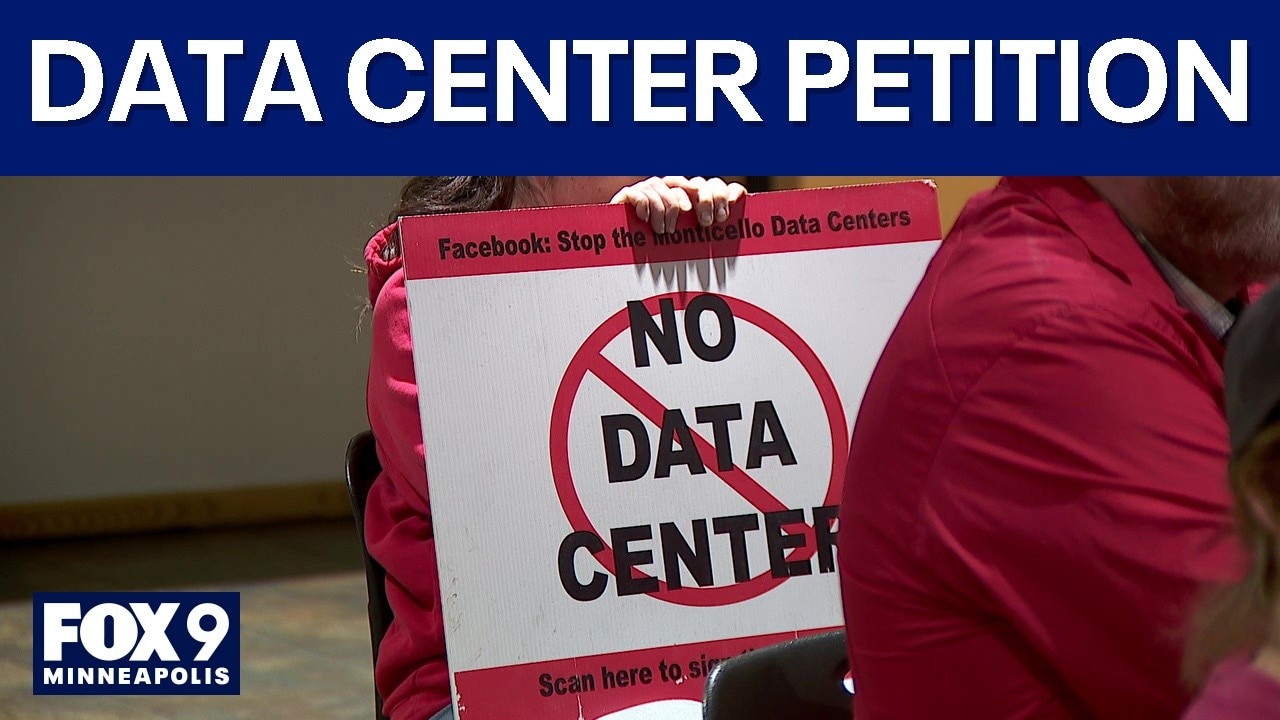
Data center debate in Monticello
Residents in Monticello are raising their concerns over the potential for data centers in their area. FOX 9’s Mike Manzoni has the latest.
What they're saying:
A committee hearing was held on the matter on Wednesday, March 11.
Rep. Emma Greenman (DFL-Minneapolis) said nondisclosure agreements undermine public transparency and are becoming "normalized" to protect corporate interests.
"To be clear, we're talking about people elected or appointed or hired to represent the public, making these secret agreements and information," Rep. Greenman said. "Keeping information from the public for the benefit of the corporation to keep these plans in secret. That's a problem. A problem we're trying to fix."
NDAs are often used in the private sector to protect trade secrets and keep offers competitive.
The bill defines a municipality as "a county, home rule charter or statutory city, town, school district, housing and redevelopment authority, economic development authority, port authority, or any other political subdivision of the state with authority to enter into a contract for the use of real property, and includes any person acting in their capacity as an employee, elected official, appointed official, or other representative of a municipality."
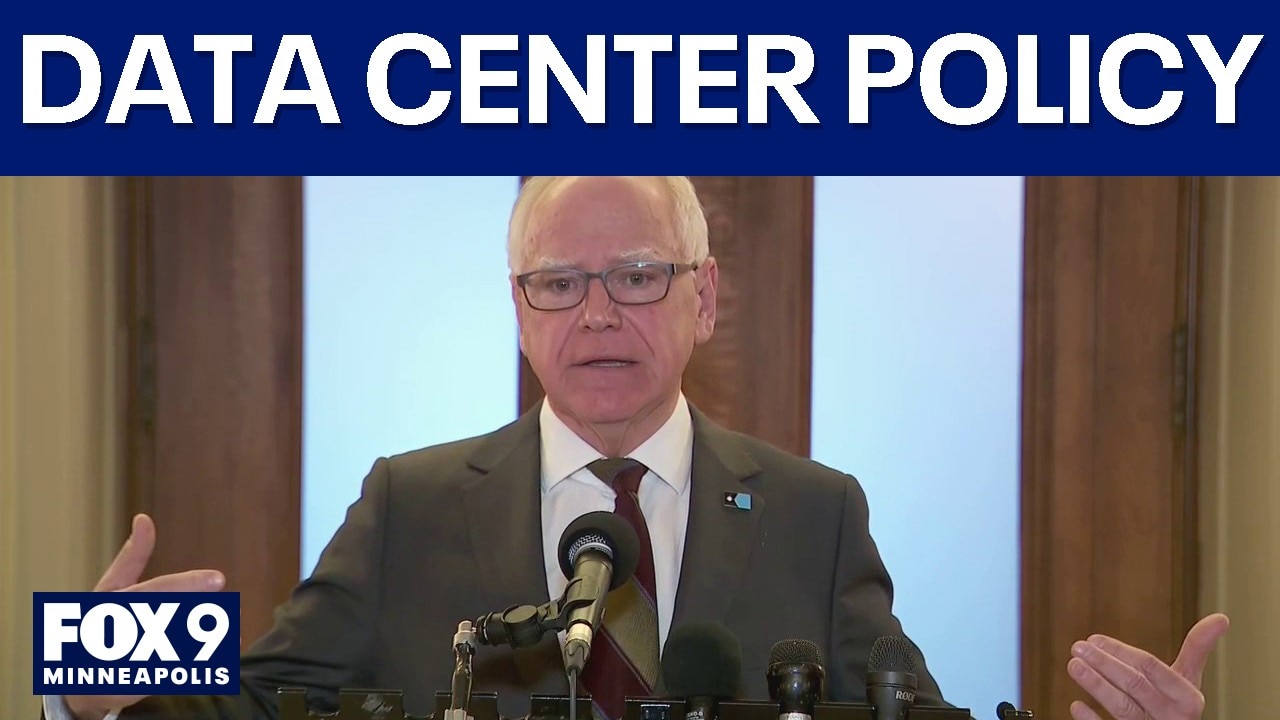
Gov. Tim Walz on data center regulations
Gov. Tim Walz weighed in moratoriums on data centers that are being considered in some Minnesota cities.
Minnesota's data center controversy
The backstory:
St. Louis County commissioners faced intense scrutiny for signing NDAs related to a data center development near Hermantown. While the developer was initially not known to the public, it was later revealed to be Google.
The Upper Midwest is attractive for data center developers due to its available power, fiber and proximity to large population centers.
Minnesota's cooler climate also offers lower cooling costs compared to other parts of the United States.
Tech companies have been aggressively building data centers across the country to prepare for an expected increase in demand caused by more demand for AI technology.
What's next:
The House Elections Finance and Government Committee approved the bill, allowing it to advance to the House floor without any dissent.

New bill to temporarily stop new data centers
New legislation has been proposed to temporarily stop new data centers from being built in Minnesota. FOX 9's Karen Scullin has more.
Dig deeper:
The bill summary can be read here.
Data center development
The other side:
Director of health care and commerce policy for the Minnesota Chamber of Commerce Jonathon Cotter raised concerns about possibly disrupting local economic development by taking a blanket approach to restrictions.
"When the identity of a prospective project developer becomes public during site selection, land prices for needed parcels can increase due to speculation," Cotter wrote. "Projects that require assembling multiple parcels are particularly vulnerable to speculation. Once property owners know the identity of the developer, asking prices can quickly rise. This can substantially increase project costs and, in some cases, jeopardize projects that would otherwise bring jobs, tax base and economic activity to a community."
Google has also responded to concern over environmental damage and strains on local power grids by saying new data centers will utilize green energy and advanced cooling methods.
Details on those methods have not been shared, but Minnesota Power said in a news release on March 3 that residents will not pay for the costs associated with Google's data center in Hermantown.
The Source: This story uses information gathered from a session in the Minnesota House and previous FOX 9 reporting.