

New Minnesota laws that go into effect July 1: What you need to know
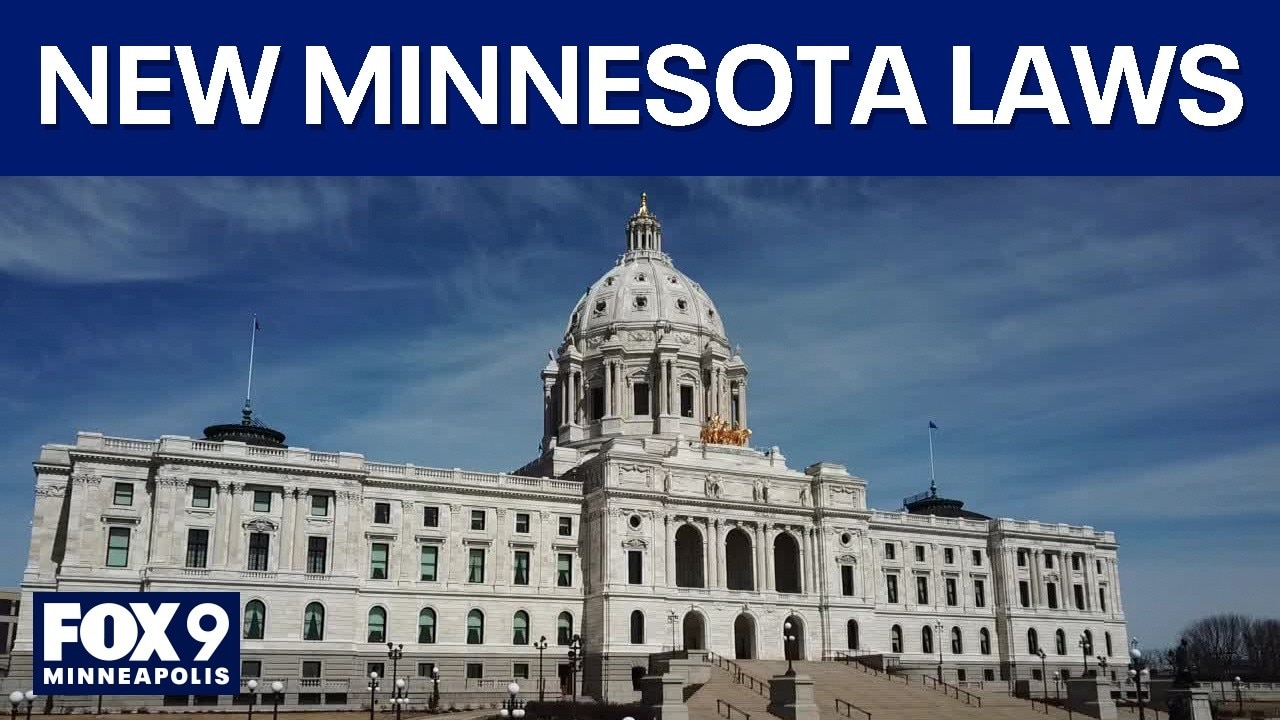
New Minnesota laws going into effect July 1: What to know
Several new Minnesota laws went into effect on July 1, including a new law requiring social media platforms to display a warning whenever users open the app and another requiring Minnesota school districts to create an anonymous school threat reporting system.
(FOX 9) - Following the final legislative session before Minnesotans elect a new governor, state lawmakers approved a wide range of new laws that will go into effect this summer.
New laws in Minnesota
Dig deeper:
New laws in Minnesota often take effect either July 1 or Aug. 1, depending on whether a bill includes state funding or is the result of a policy change.
Since the state’s fiscal year begins annually on July 1, new laws that begin on that date often deal with state budgets, government spending and agency appropriations, while August 1 laws primarily focus on public safety and regulatory policies.
Here are some of the most notable changes that begin at the turn of the month:
Vet tech care, records and education
New provisions within HF3718 create standards for veterinary technicians working within the state.
Minnesota law will now require techs to complete 16 hours of continuing education credits each licensing period, with authority to potentially revoke or suspend licenses granted to the state Board of Veterinary Medicine.
New record keeping requirements will also mandate the release of records upon request by the patient’s owner or the board.
Veterinary technicians will also be bound by the board to treat animals with "prevailing humane treatment standards and care" under the legislation.
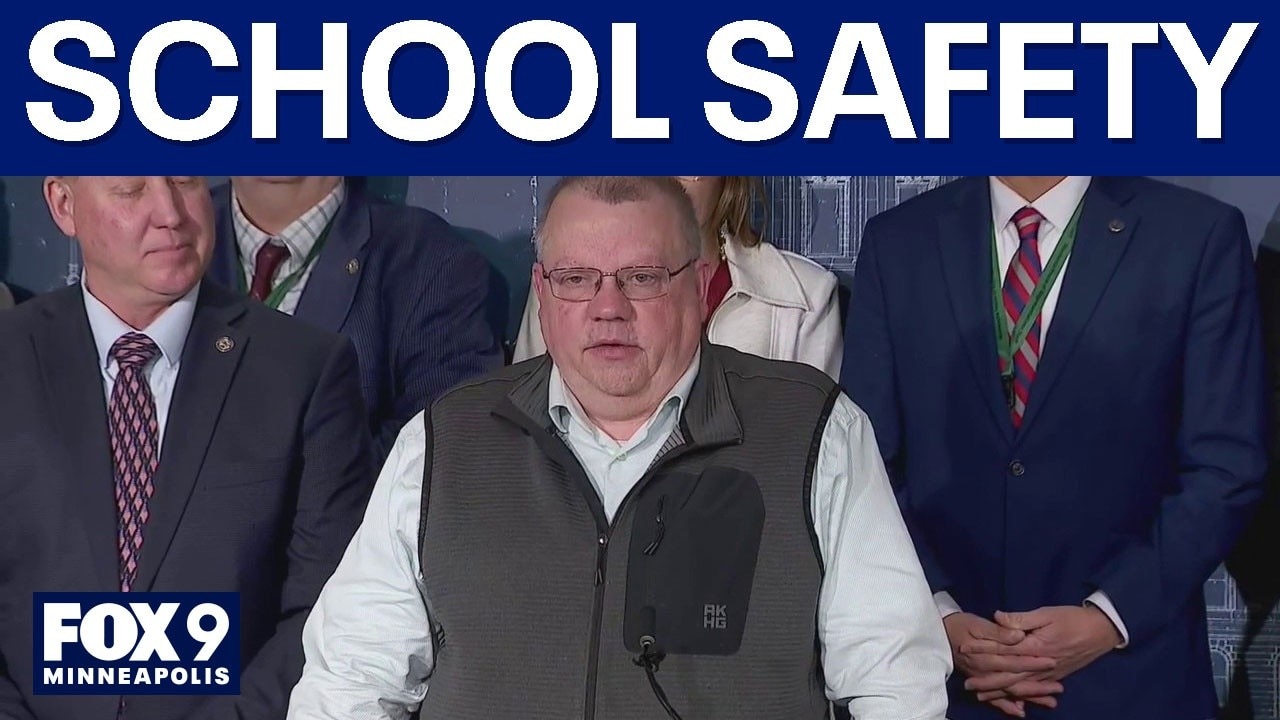
GOP lawmakers unveil 'common sense' school safety plan
Minnesota House Republicans, led by Representative Brian Lawrence and Education Finance co-chair Ron Kresha, unveiled House File 3493, a multi-layered school safety proposal. The bill aims to create a safe learning environment for all students—including those in public, nonpublic, and tribal schools—by providing flexible funding and local control.
Contract for DEED terminations
A new law will allow an unmarried person to petition the court to terminate another person’s interest in a contract for deed, if that person has been the victim of domestic violence, sexual assault or harassment.
Under the law, people who have been making home payments and are victims can petition a court to end the other person’s interest in a property. If the person named in the petition does not respond within 21 days, the court must grant the request. If the case is contested, a hearing is required.
The bill, sponsored by Rep. Kelly Moller of District 40A in the north-central Twin Cities, provides the official language needed to petition the court and is intended to offer victims of abuse more control over their housing situation, while further protecting themselves from someone who has harmed them.
School threat reporting system
Although not required to be actively implemented until July 1, 2028, a new law will set in motion the requirement for a board of a school district or charter school to adopt a policy to implement the use of an anonymous threat reporting system.
The law establishes requirements for the reporting systems, including a 24-hour mobile app, website or toll-free hotline that can receive anonymous tips regarding "dangerous, violent, threatening, harmful, or potentially harmful activity that occurs," either on school property or related to an enrolled student or personnel.

Minnesota flagged over 7,700 bogus students
The State of Minnesota has flagged over 7,700 "ghost students." FOX 9's MIke Manzoni has more.
Ghost students, fighting fraud higher education
As fraud became a hot topic in Minnesota during the legislative session, new provisions within the higher education supplemental policy and finance law will affect funding for anti-fraud efforts within Minnesota’s higher education system.
Notable new funding includes a $3 million grant to the Minnesota State system to implement an identity verification system to combat "ghost student" financial aid fraud. A policy provision also authorizes the Office of Higher Education to deny student aid to applicants who provide false information, or have been legally found to have committed fraud regarding government funding.
Other policy provisions include allowing Minnesota State employees to take paid time off for off-site blood donations, strengthening anti-discrimination protections for pregnant and parenting students, requiring a report on medical school curriculum and more.
Teacher criminal reporting automatically required
Within a new law that establishes grooming a minor as a felony offense in Minnesota, a police department or county sheriff will be required to notify the appropriate licensing board when a teacher is criminally charged with an offense that triggers automatic license denial, refusal to renew, or revocation without a right to hearing.
The reporting also applies to any other offense that requires the person to register as a predatory offender within the state.

Study researching effects of social media on brain
Excessive use of social media has been linked to mental health problems like anxiety and depression. A new study is shedding light on social media and brain development.
Social media warnings
Minnesota's social media users will soon begin to see warnings about the potential mental health impacts of the platforms every time they log in.
Each social media platform operating in Minnesota will be required to show a warning label outlining mental health risks each time a user opens the app, and the warning cannot be removed until the user either acknowledges it or leaves the platform.
The warning must clearly state the potential negative mental health impacts linked to social media use, and cannot be hidden in terms and conditions or be disabled.
It also has to provide the national suicide hotline number and website, along with the phone number for a national suicide prevention and mental health crisis hotline, including the 988 Suicide and Crisis Lifeline.
What's next:
Another round of new laws will also take effect on Aug. 1, 2026, including a ban on access to nudification technology, changes to residential mortgage loan fees and penalties, cannabis supply chain licensing, the issuance of liquor licenses for nursing homes and more.
FOX 9 will have a more comprehensive write-up before they take effect, so check back often.
The Source: Information provided by Minnesota House Public Info and FOX 9 reporting from the Minnesota Legislature.