

National non-profit seeks to preserve Hiawatha golf course

National non-profit seeks to preserve Hiawatha golf course
The future of a golf course that has been a favorite for Black golfers for more than 80 years could soon be up in the air once again.
MINNEAPOLIS (FOX 9) - Last summer, the Minneapolis Park Board voted to rename the clubhouse at the Hiawatha Golf Course after pioneering Black golfer Solomon Hughes.
But the future of the course that has been a favorite for Black golfers for more than 80 years could soon be up in the air once again.
"Our mission is to connect people to places," said Cultural Landscape Foundation President Charles Birnbaum.
The foundation says Hiawatha was the first golf course in the upper Midwest to admit Black golfers in the late 1930s.
The organization has now designated the course an "at-risk cultural landscape" and wants the park board to see if it is eligible to be listed on the National Register of Historic Places.
"Why would we eradicate that when there is no place like that to tell this story in Minneapolis," said Birnbaum.
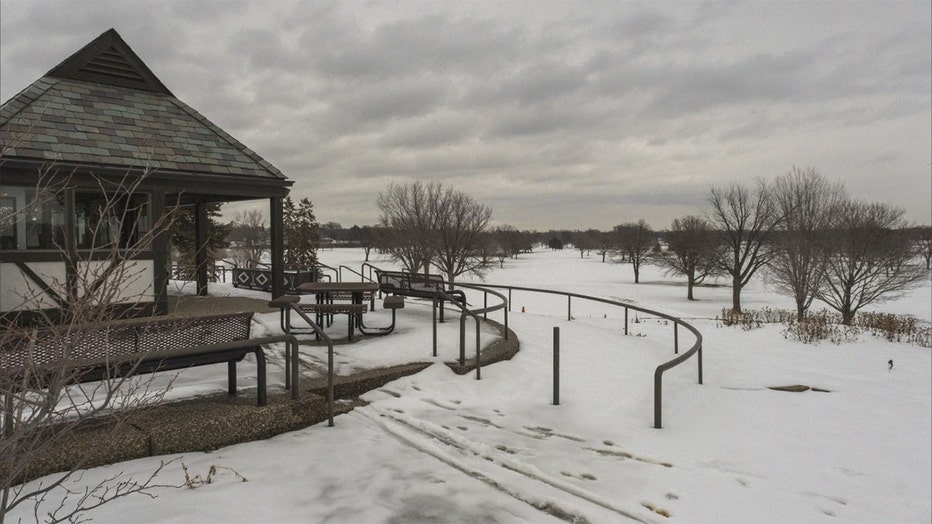
The future of a golf course that has been a favorite for Black golfers for more than 80 years could soon be up in the air once again.
Twice the park board has voted against going ahead with a master plan that would reduce the 18-hole course to nine holes, and include other amenities like BMX trails and a dog patio, to address flooding issues.
But after the last election, seven of the nine park board commissioners are new, and advocates for keeping the course as it is are worried the new board could revisit the revised design.
"In managing change, it's more than water. It's the cultural lifeways of a place that we see as nationally significant," said Birnbaum.
The Cultural Landscape Foundation believes there's a way to solve the water issues and keep the 18-hole golf course.
With issues of race and equity playing out across the country, the organization says doing both would be a hole in one.
"The story of Hiawatha golf, it is for all of us," said Birnbaum.