

2026 Wisconsin spring election; what voters need to know
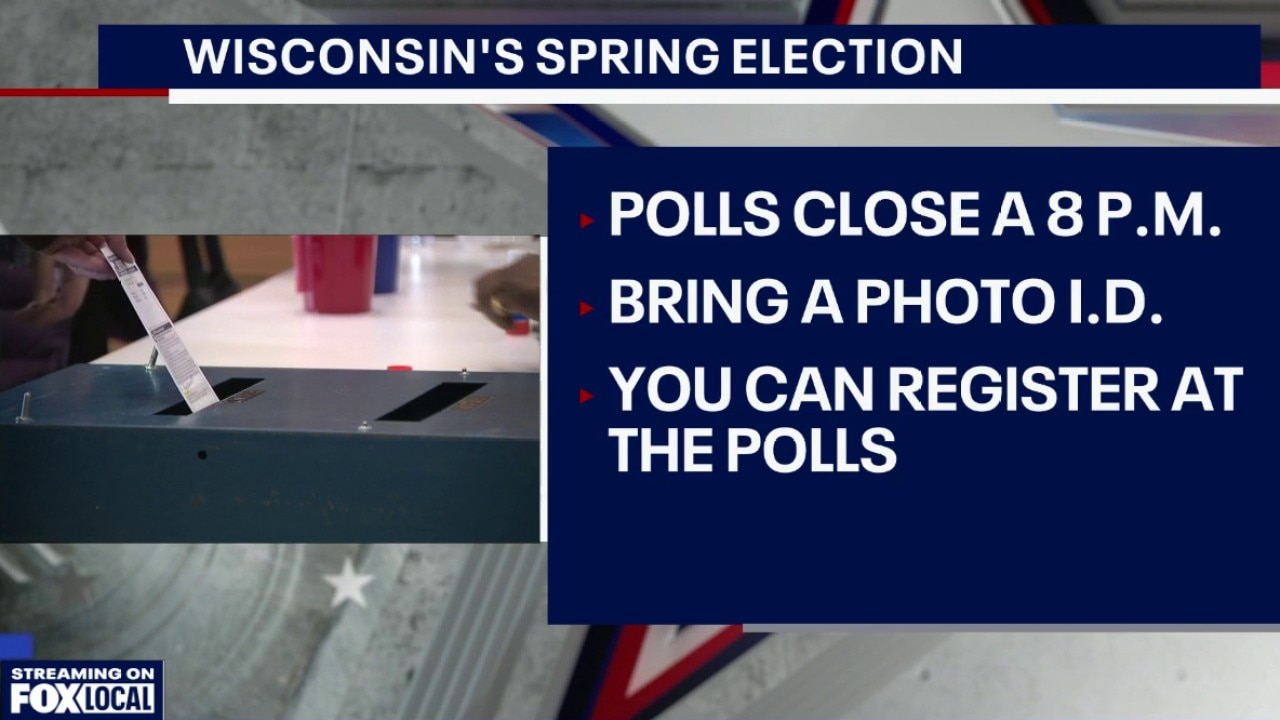
Polls open in 2026 Wisconsin spring election
Across Wisconsin, voters will head to the polls to cast ballots in the 2026 spring election on Tuesday, April 7.
MILWAUKEE - Across Wisconsin, voters will head to the polls to cast ballots in the 2026 spring election on Tuesday, April 7. Here's what you need to know.
When and where can I vote?
What you can do:
Polls are open from 7 a.m. to 8 p.m. on Tuesday. Anyone who is in line to vote by 8 p.m. will get to cast their ballot. If you are unsure of where to vote, visit the MyVote Wisconsin website – each municipality has its own polling places.
What's on my ballot?
What you can do:
While the Wisconsin Supreme Court race is a statewide election, other items – such as mayoral races and referendums – vary by municipality. Enter your address on the MyVote Wisconsin website to see what you'll be voting for Tuesday.
MyVote Wisconsin also makes it convenient for voters to track their ballot. You can see if a ballot request has been received or processed, find out whether your ballot has been sent, and find out whether there was a problem with a ballot.
Do I need an ID to vote?
Local perspective:
Wisconsin law requires voters to present a photo ID for their vote to count. The Wisconsin Elections Commission website explains the options for IDs to show at the polls, which include a valid Wisconsin driver's license or state ID card.
How do I register to vote?
Local perspective:
If you need to register to vote on Election Day, you will need to bring an acceptable proof of address document with you.
Acceptable documents include a utility bill, bank statement, paycheck, lease, tax bill, or document issued to you by a unit of government. You may show a paper copy or digital version on your phone of your proof of address document.
To check if you are registered, visit the MyVote Wisconsin website.
Wisconsin Supreme Court
Big picture view:
For the second year in a row, Wisconsin voters find a state Supreme Court seat on their spring ballot. The winner is elected to a 10-year term.
Maria Lazar, an appeals court judge from Brookfield, is the conservative-backed candidate. Chris Taylor, an appeals court judge from Madison, is the liberal-backed candidate.
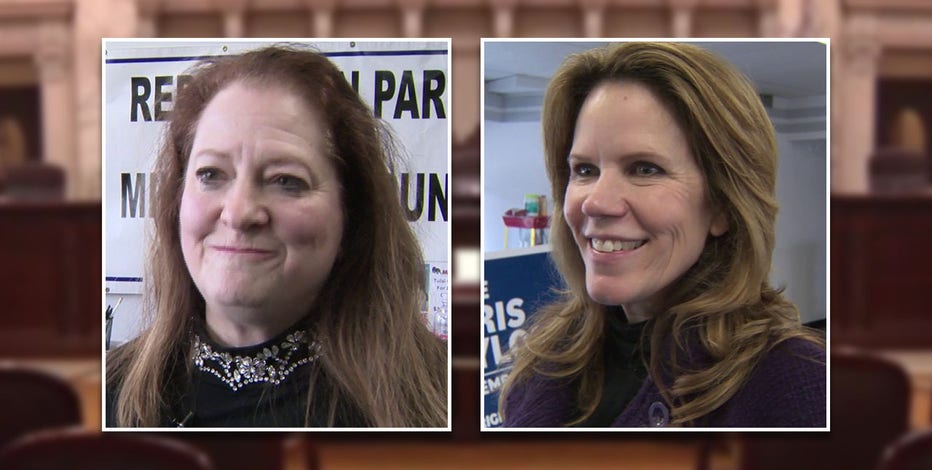
Wisconsin Supreme Court race: Lazar, Taylor final push for voters
Wisconsin Supreme Court candidates Maria Lazar and Chris Taylor held campaign events Saturday, a final push ahead of next week's election.
The outcome of the race will not change control of the court. Liberals currently hold a 4-3 majority. If Lazar wins, the court remains 4-3. If Taylor wins, liberals would expand their majority to 5-2.
The latest Marquette University Law School poll, the results of which were released on March 24, found many registered voters remain undecided in the Wisconsin Supreme Court race.
Spending in the race has dropped significantly compared to last year. The Wisconsin Democracy Campaign reported outside groups had spent about $683,000 as of March 25, compared to more than $100 million spent in last year's Wisconsin Supreme Court race in which liberal-backed Susan Crawford defeated conservative-backed Brad Schimel.
Port Washington data center
Local perspective:
In Port Washington, voters will decide on a referendum – to require future referendums. The city's fight over a massive data center sparked the ballot item.
Vantage is building what it says will be a $15 billion facility. City leaders approved tax incremental financing for the project, in which the local government pays for public improvements now using future tax revenue the property will generate.

Port Washington data centers; referendum targets future developments
Port Washington voters are weighing a referendum requiring approval for future TIF districts after controversy surrounding a proposed $15 billion data center project.
The Port Washington referendum will not do away with the tax district for the data center, but it would require voters to approve future districts of more than $10 million.
If voters approve the referendum, it will face a lawsuit; the Metropolitan Milwaukee Association of Commerce has already sued. Wisconsin voters, at the state level, cannot on their own bring forward a referendum to change state laws. But according to the League of Wisconsin Municipalities, voters can do so at the city and village level.
Whitefish Bay schools
Local perspective:
The Whitefish Bay School District is asking voters to approve $135 million for school renovations, half of which would go toward demolishing the district's current middle school and building a new one across the street. The other half is for repairs needed at other district schools.
If approved, the school district estimates the average Whitefish Bay home, assessed at $685,000, will see a yearly tax increase of more than $1,700.
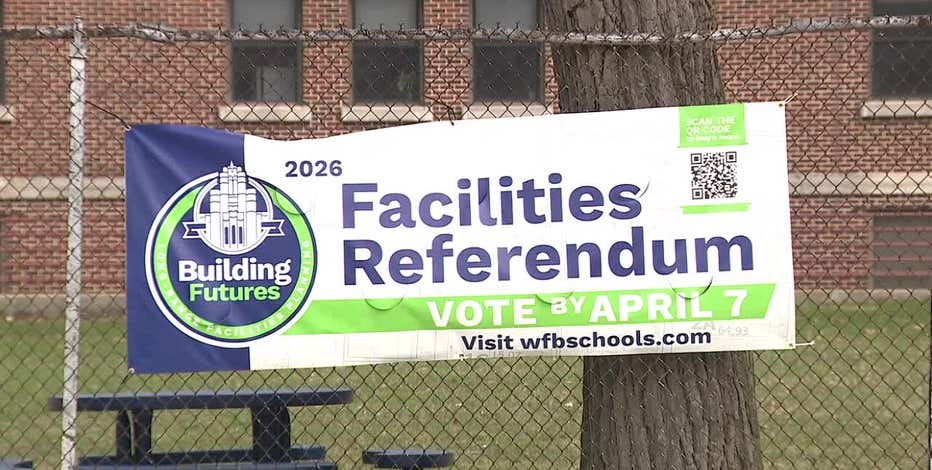
Whitefish Bay voters weigh $135.6M school referendum in spring election
Whitefish Bay voters will decide a $135.6 million school referendum that would build a new middle school, renovate buildings, and raise taxes by about $1,783 annually.
South Milwaukee library
Local perspective:
A $425,000 referendum is on South Milwaukee voters' ballots to invest in the city's public library. Right now, it's open the fewest hours per week of any library in Milwaukee County. If approved, it would increase property taxes $60 for a home assessed at $225,000.
Key mayoral races
Local perspective:
Voters in Brookfield will decide between incumbent Steve Ponto and Ald. Mike Hallquist in a race for mayor. Ponto has held the office since 2010, serving three terms as mayor. Hallquist has been an alderman for six years.
Waukesha voters will elect a new mayor; Shawn Reilly is not seeking reelection. Scott Allen and Alicia Halvensleben are running to become the city's next executive.
The Source: FOX6 News referenced information from the Wisconsin Elections Commission and referenced prior coverage related to the Wisconsin Supreme Court race.