

GOP lawmakers liken Blue Line extension project to Rondo neighborhood disruption
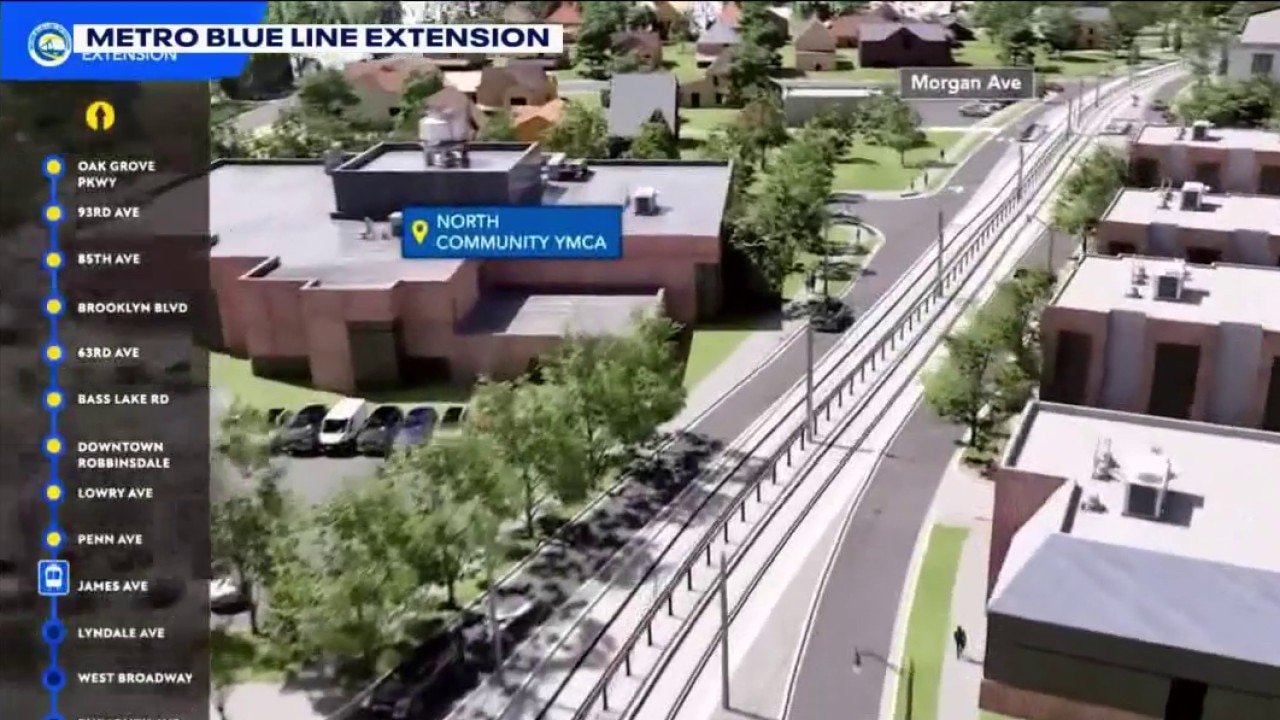
Blue Line extension project gets pushback
The Blue Line extension project is getting major pushback from some community members and lawmakers. FOX 9's Soyoung Kim has more.
MINNEAPOLIS (FOX 9) - Republican lawmakers compared a project to extend the Blue Line light rail from downtown Minneapolis into Brooklyn Park to the I-94 project that ripped apart the predominately Black Rondo neighborhood in the 1950s.
Blue Line extension criticism
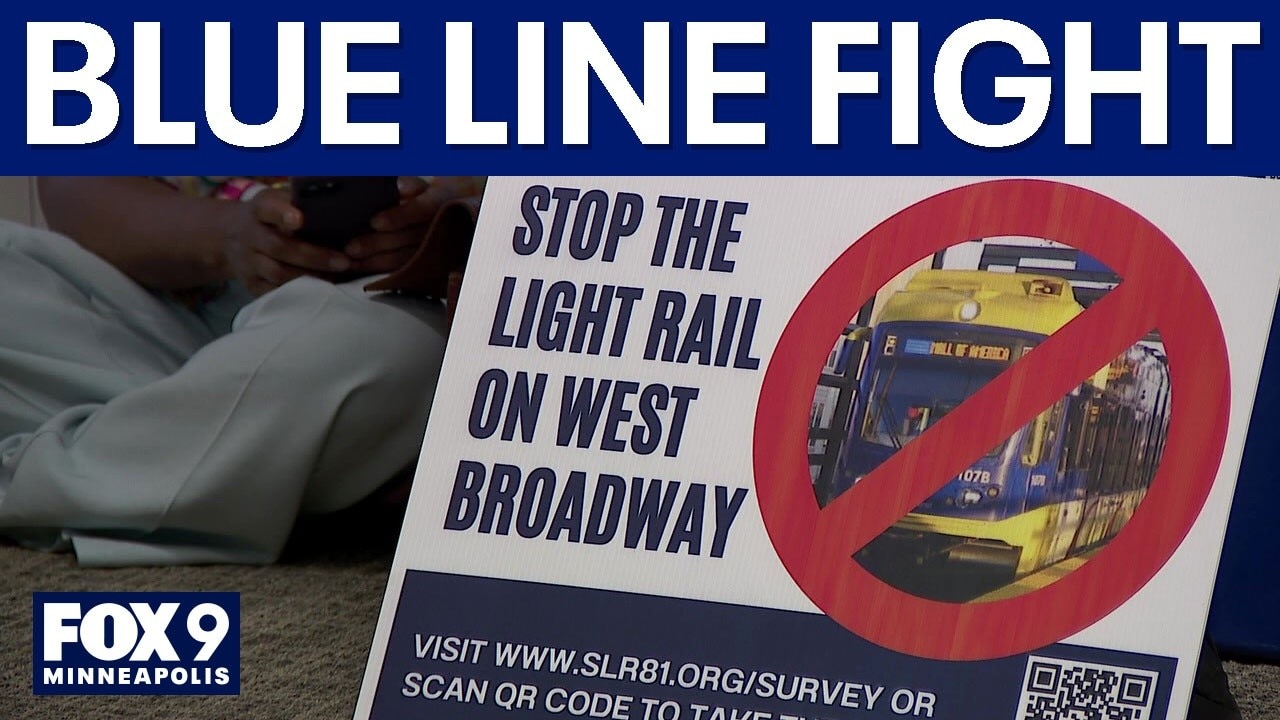
Lawmakers, community members oppose Blue Line extension
Republican lawmakers and local community leaders gathered to voice their opposition to the proposed Blue Line light rail extension. The current project aims to build a light rail train from Target Field through Brooklyn Park , cutting directly through a predominantly Black business district on West Broadway in North Minneapolis. Critics argue the increasingly expensive project will disrupt the community , eliminate essential parking , and displace hundreds of homes and minority-owned businesses.
Big picture view:
If completed, the extension would run from Target Field, through North Minneapolis, into Robbinsdale, Crystal, and Brooklyn Park.
What they're saying:
At a briefing on Wednesday, Republican lawmakers compared the potential impacts of the Blue Line project to the 1950s I-94 construction on the Rondo neighborhood in St. Paul. The Rondo neighborhood was a predominantly Black neighborhood that was torn apart by the construction of the interstate highway.
"[The light rail extension] would build a light rail train from Target Field all the way through Brooklyn Park that would bulldoze straight through a predominantly black business district in north Minneapolis and then again, end up in Brooklyn Park," explained Rep. Jon Koznick. "It's very reminiscent of the Rondo fiasco all over again."
"By shrinking the road from two lanes on West Broadway to a single lane in each direction, the Blue Line will limit parking and pedestrian access to businesses that are mostly or often minority-owned businesses, leaving entrepreneurs and businesses in financial peril," added Koznick. "Community members from North Minneapolis all the way up to Brooklyn Park do not want the Blue Line extension rail project."
Business leaders in the West Broadway corridor joined lawmakers to push back against the project.
"What we are opposed to is a project of this scale moving forward, without addressing its real and lasting impacts on the safety, access and economic stability," said Kristel Porter, the executive director of the West Broadway Business and Area Coalition.
Local perspective:
Rep. Koznick is instead proposing diverting state funds from the light rail project and investing in a rapid bus transportation project instead.
Rep. Koznick argues the bus project makes more sense, has less impact on the community, is more affordable, and allows for more flexibility.
Hennepin County says line would boost those who need it most
The other side:
Speaking at a House Transportation Committee meeting on Wednesday, where lawmakers were discussing Rep. Koznick's proposals, Hennepin County Commissioner Marion Greene argued Rep. Koznick's bill would punish Hennepin County. She argues that the extension would help lower class households.
"Half of Blue Line extension riders are expected to come from households that do not have reliable access to a car," said Greene. "Light rail continues to have the ridership and lower per rider subsidy of any transit mode. It moves people efficiently and connects major destinations. In fact, just the two existing light rail lines serve one-third of all the transit rides in the metro area."
Greene also argues that property along the rail line consistently benefits from increased foot traffic and property value increases.
By the numbers:
The cost of the project has about tripled the original estimates. The latest Met Council estimate puts the project at between $2.9 billion. The original proposal put the cost at less than $1 billion ($997 million in 2014).
The project is currently awaiting federal funding which, given Minnesota's battles with the current administration, might be a tough ask given the price tag.
What's next:
The project is currently at its 60% design phase and is expected to reach the 90% design phase this summer and 100% by the fall. Construction is expected to begin in 2027 and last three to four years.