

Minneapolis has world's worst air quality Thursday amid wildfire smoke
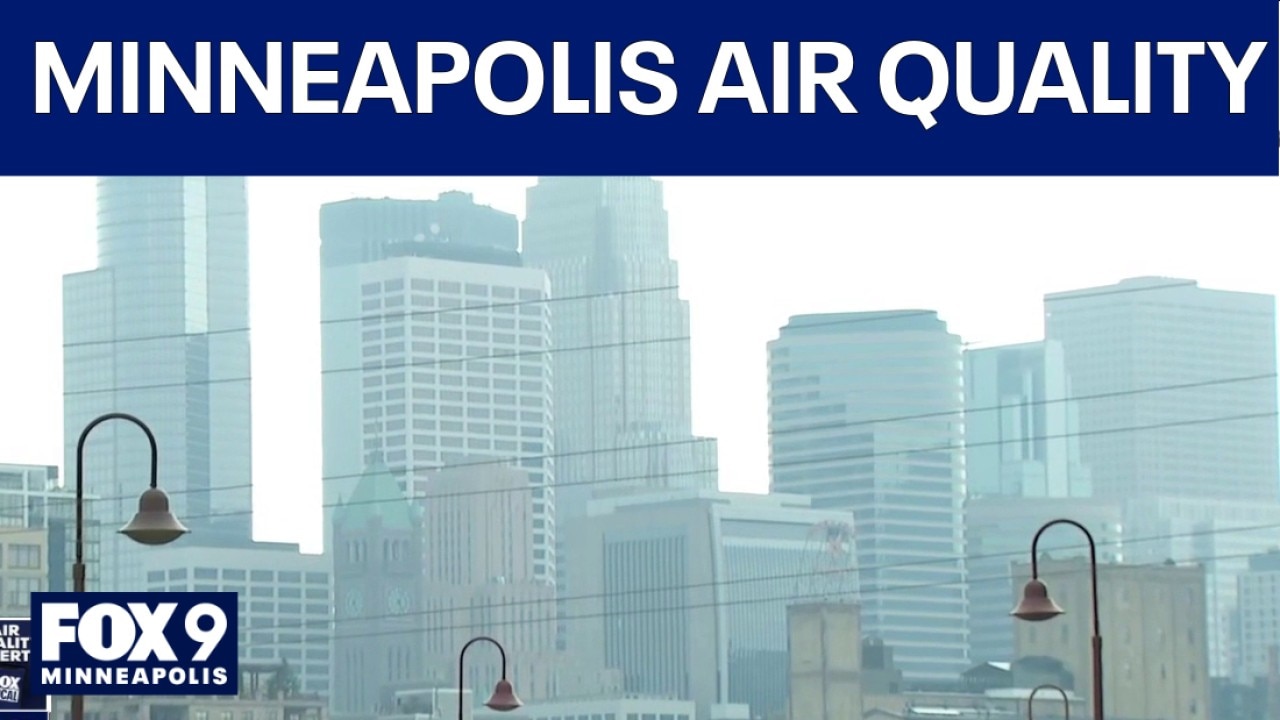
Minneapolis air quality hits 300s: Doctors warn of dangers
Smoky air in Minneapolis led to canceled outdoor activities on Thursday, including youth camps and a concert. Doctors warn that the air quality is dangerous for everyone, not just people with lung conditions.
MINNEAPOLIS (FOX 9) - Minneapolis has one of the worst air qualities in the world on Thursday morning as wildfire smoke continues to blanket much of the state.
Minneapolis among worst air quality in the world
According to IQAir, Minneapolis had the worst air quality among major cities around the world Thursday afternoon, with an Air Quality Index (AQI) of 374. As of 2:40 p.m., Chicago is ranked second with an AQI of 338 and Detroit is now third with an AQI 219. As the air quality changes, the rankings are frequently updated.
The Minnesota Pollution Control Agency states anything above an AQI of 301 is considered hazardous.
QUICK LINKS: Live updates on Minnesota wildfires, smoke | Minnesota weather forecast | Download the FOX LOCAL app to get alerts | List of cancellations & delays due to wildfire smoke
Smoky air changes daily life in the Twin Cities
What we know:
The haze in Minneapolis is so thick it’s tough to see downtown from just across the river, and foot traffic is minimal. Most people seem to be staying inside, with outdoor activities canceled across the city.
The Minneapolis Parks & Recreation Board canceled all outdoor activities Thursday, including youth sailing camp at Bde Maka Ska. "It reminded me of the song Smoke on the Water by Deep Purple if they were prophetic because that's exactly what we have here. Smoke on The Water," said Scott Burger of Inver Grove Heights.
The Target USA Cup soccer tournament in Blaine was also called off for the day, Valleyfair shut down, and Mystic Lake Amphitheater postponed the Creed concert.
Air quality readings reached the 300s in the Metro, more than twice as high as the highest readings last summer. It’s much lower than in Duluth, but still considered hazardous.
Even with warnings, some people are still outside
What they're saying:
"It doesn't really bother me, but that doesn't mean that there aren't a lot of people being affected by it, yeah. There's some soot in there," said Burger.
Doctors say the risk is real for everyone, not just people with lung problems.
"The higher the number, the more significant the risk. I mean, you start getting into zones above 200 and 250, even people without known lung disease might start to be bothered by this," said Dr. Andrew Stiehm, Allina pulmonary specialist.
Dr. Stiehm explained that the smoke can cause some very noticeable symptoms, and it’s filling emergency rooms.
"That smoke can cause irritation, so it can cause wheezing, shortness of breath, cough, chest discomfort, and it's bringing people to our emergency rooms and urgent care, because it's horrible," said Stiehm.
A lot of people who are outside are there for work, especially in construction. Dr. Stiehm said there’s not much you can do to avoid smoky air, but wearing an N95 mask can help, along with taking breaks and paying attention to how you feel.
Hazardous air quality on Thursday
Big picture view:
The MPCA has issued an air quality alert for all but far southern and southwestern Minnesota through 11 a.m. Friday. The Twin Cities metro area has a maroon AQI, which is considered hazardous for everyone.
Smoke from large wildfires burning in northeastern Minnesota and southern Canada arrived in the Twin Cities metro Wednesday night and continued spreading into Thursday morning.
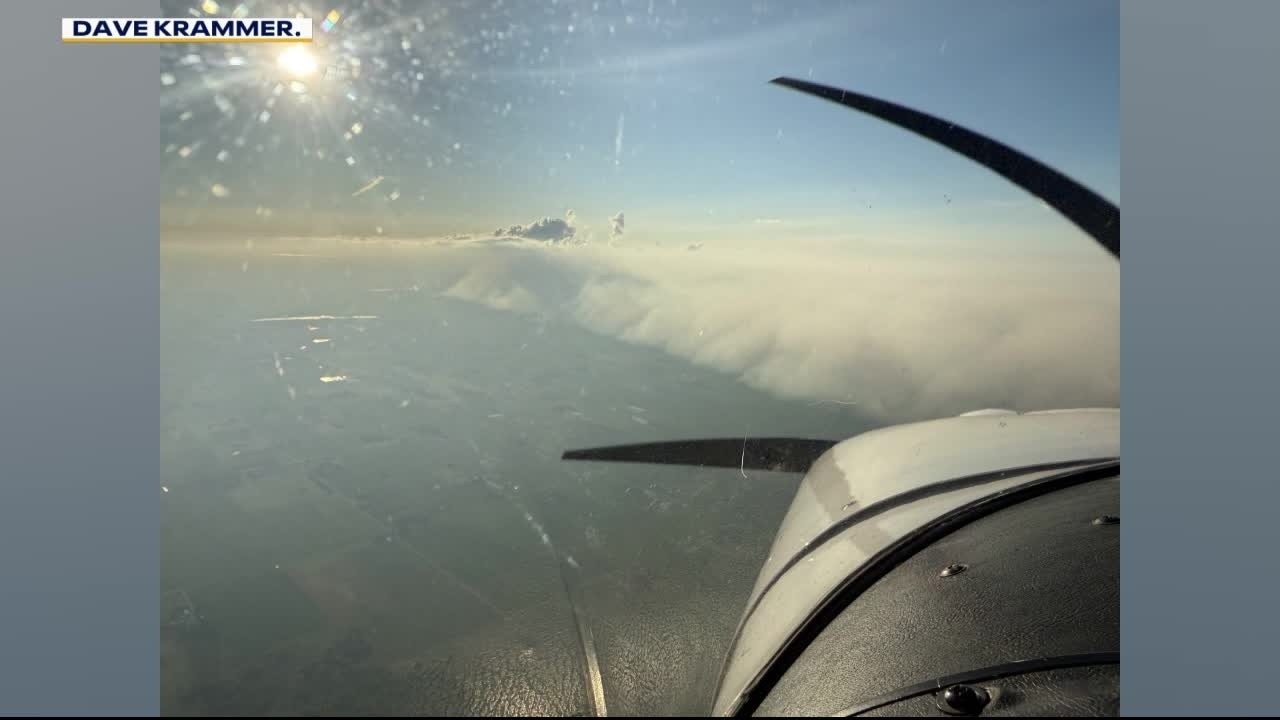
Ground-level wildfire smoke impacting metro air quality
FOX 9 Meteorologist Cody Matz explains why wildfire smoke from northern Minnesota and Canada is causing such poor air quality. Unlike typical wildfire smoke that rises to 20,000 to 30,000 feet, this smoke is shallow and concentrated near the ground, where people live and breathe.
What they're saying:
"Hourly observations have already surpassed previous records for the Twin Cities, and additional record readings are possible overnight," MPCA said in a press release Wednesday. "Existing smoke and additional rounds of heavy smoke will then remain possible across the alert area through Friday morning, when a cold front is forecast to bring in cleaner air. Heat will exacerbate health impacts during periods of poor air quality. The alert may need to be extended for parts of the state beyond Friday morning."
In areas of hazardous air quality, the MPCA recommends that everyone avoid all outdoor activity and stay indoors whenever possible.
What's next:
The smoky conditions in the Twin Cities metro should gradually improve throughout the day and will likely clear by Friday afternoon.
The Source: This story uses information from FOX 9 meteorologists, the Minnesota Pollution Control Agency, and the IQAir website.