

Ice fishing prep: Guide shares what to check before lakes freeze
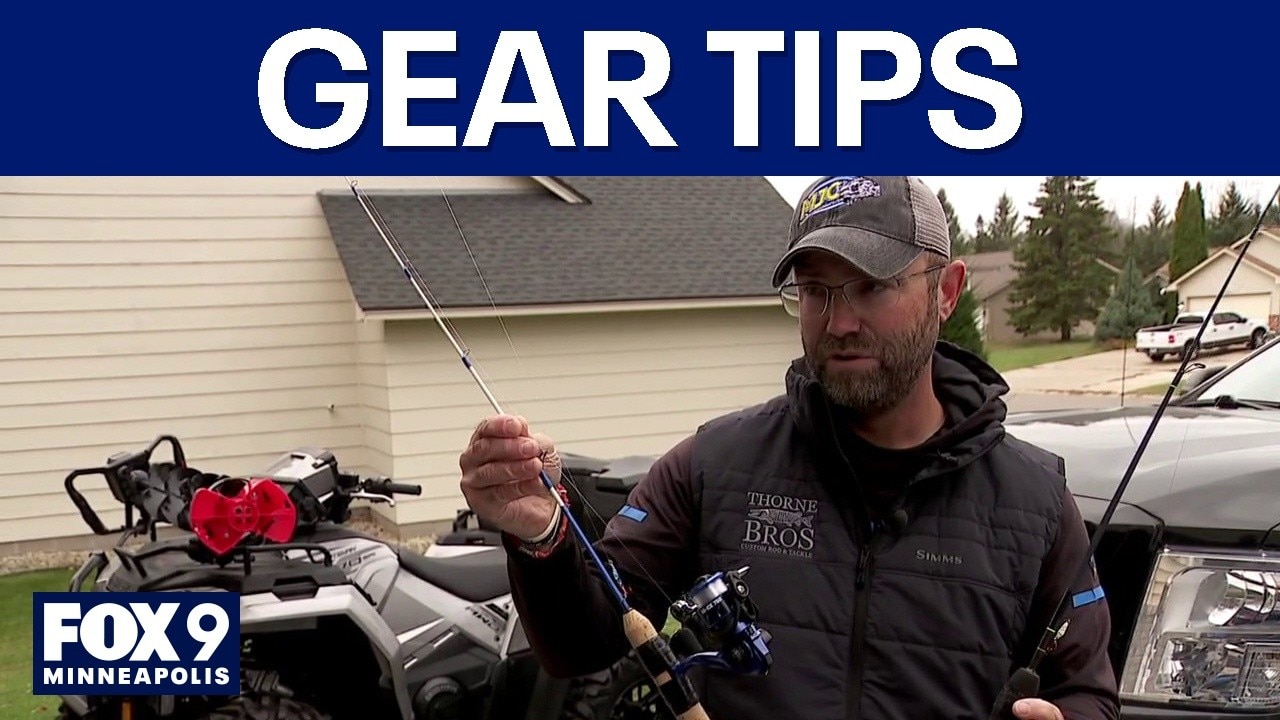
Ice fishing gear checks can help prevent a wasted trip
Get your ice fishing gear ready before the lakes freeze. Fishing guide Matt Johnson shares his preseason checklist, covering batteries, rods, reels, augers, heaters and shelters, plus sled and ATV organization. He also explains which safety gear to pack and how anglers can adapt their plans for a warmer winter.
(FOX 9) - Getting ready for ice season starts in the garage, and fishing guide Matt Johnson says taking an afternoon for small checks and organization can save a trip.
After equipment sits in storage over the warmer months, the goal is to catch wear and tear early so you avoid finding a dead battery, damaged rod guide, or cold heater once you reach the ice.
RELATED: What El Niño could mean for Minnesota's ice fishing season
Gear checks that matter before first ice
Johnson said his prep starts with efficiency and organization after gear has been put away for the off-season. Sub-zero temperatures quickly expose weak points in terminal tackle, electronics, and shelters, making a thorough pre-season tune-up essential before venturing out onto hard water.
"You don't want to miss the fish of a lifetime on your first ice fishing trip because you were a little bit lazy when it came to getting your gear ready," said Johnson.
What you can do:
Below are Johnson's top tips for prepping your gear before the lakes freeze.
- Top off and test batteries: "Everything's battery powered nowadays, whether it's our electronics, our augers, our lights, our forward-facing sonar, our GPS. So make sure your batteries are topped off," said Matt Johnson. Plug in marine and lithium-ion batteries ahead of time to verify they hold a full charge, replace older lead-acid batteries that lose voltage quickly, and store lithium batteries indoors at room temperature until heading to the lake. Power on sonar, flashers, GPS units, and cameras at home to make sure transducers ping properly and cables aren't frayed.
- Refresh rods, reels, and tackle: Old monofilament and fluorocarbon lines become stiff and brittle over the summer, so strip old line and spool up with fresh, cold-weather-rated ice line. Run a cotton swab along every rod guide to check for micro-cracks, apply a drop of cold-weather reel oil to keep drags smooth, and replace rusted hooks while retying any knots and leaders left over from last year. Johnson also recommends keeping a running list on your phone of lures, jigs, plastics, and other small items you are running low on so you can replace or add to your arsenal before heading out on the lake.
- Service your auger: Inspect auger blades closely for nicks or dull edges, sharpening or replacing them as needed, and pack a spare set with the proper wrench in your sled. For gas augers, drain stale summer fuel, swap in a fresh spark plug, and refill with ethanol-free gas.
- Test heaters and inspect shelters: Hook up a propane cylinder to portable heaters outdoors to confirm the pilot ignites cleanly, and check hoses for leaks using soapy water. Set up hub or flip-over shelters in the yard to air out mildew, patch any rodent damage, and lubricate stubborn zippers with silicone spray.
- Check sleds and stage safety gear: Flip utility sleds upside down to inspect for cracked plastic tubs, worn hyfax runners, or loose hitch bolts. Stage your safety gear at the very top of your sled and outer bibs—including a throw rope, retractable ice picks, inspected ice cleats, and a tear-free flotation suit—before you ever leave the shoreline.
Upgrade your sled, ATV, or snowmobile
While your gear is laid out in the garage, pre-season is also the perfect time to trick out your ice fishing sled—or customize your ATV or snowmobile—for better efficiency on the ice. Adding simple upgrades like rod holders, auger racks, dry storage boxes, GPS mounts, or LED strip lighting keeps expensive gear secure and organized while traveling across rough ice. Johnson, for example, outfits his ATV with an auger rack, GPS, dry storage, rod holders that carry four rods on each side, and a dedicated 15-amp lithium battery to power his setup all day. Making those modifications now means everything has a designated spot before your first trip.
By the numbers:
Johnson said an inline reel can keep line for two to three seasons because it comes off less coily than a spinning reel. Anglers who fish hard with monofilament or fluorocarbon on spinning gear should change line more often. (Braided setups can last several years, though Johnson avoids braid for ice fishing because it can freeze on the spool.)
Johnson's ATV prep includes an auger rack, GPS, and dry storage, along with rod holders that let him carry four rods on each side and a 15-amp lithium battery that runs his electronics all day.
Safety steps and warm-winter planning
Johnson said safety becomes just as important as tackle prep once first ice shows up. He said portable anglers also need to think harder about access points, travel routes, and how far they can safely move across a lake in a warmer winter.
Local perspective:
"When you get out to the ice for the first time, you want to make sure you have a spud bar," said Johnson. He recommends sharpening the tip of your spud bar so it can effectively test ice thickness with firm strikes on every step. Because first ice often brings slick glare ice instead of snow cover, testing rubber straps on your boot cleats and wearing a flotation suit belong right at the top of your checklist.
What's next:
"We're going to get ice. We're going to have a winter. It's going to happen," said Johnson. While no one knows exactly how an El Niño or milder winter will play out, Johnson said anglers can adapt by packing light, staying mobile, planning for more time on foot, and thinking carefully about where they launch. He noted that a past El Niño winter around the Twin Cities turned into one of his busiest seasons as a portable guide—and delivered some of the best ice fishing he has seen in the last decade—because fishing pressure was down and the fish were biting.
First-ice prep checklist
Copy-paste this checklist into the Notes app on your phone to help you prep for first ice.
Safety First
- Sharpen spud bar tip
- Check flotation suit for tears
- Test boot cleats and rubber straps
- Hang retractable ice picks on outer bibs
- Place throw rope at the top of the sled
Rods, Reels & Tackle
- Spool fresh, cold-weather line on spinning reels
- Inspect inline reels (replace line if older than 2–3 seasons)
- Check rod guides with a cotton swab for micro-cracks
- Add a drop of cold-weather oil to reel drags
- Retie old knots and leaders from last year
- Replace rusted or bent hooks
- Restock low lures, jigs, and plastics
Batteries & Electronics
- Fully charge all marine, sonar, and auger batteries
- Store lithium batteries indoors at room temperature
- Replace weak lead-acid batteries
- Power on flashers, forward-facing sonar, GPS, and cameras
- Inspect power cables for frayed wires
Augers, Heaters & Shelters
- Check or replace auger blades (pack spares + wrench)
- Gas augers: drain stale fuel, swap spark plug, add ethanol-free gas
- Test heater pilot outdoors with propane and check hoses for leaks
- Pitch shelter to air out, patch holes, check for mildew, rodent issues and lube zippers
- Flip sled to check tub, hyfax runners and hitch bolts
The Source: FOX 9 Meteorologist Jared Piepenburg interviewed fishing guide Matt Johnson.