

Dozens of deer in Wisconsin dead from EHD
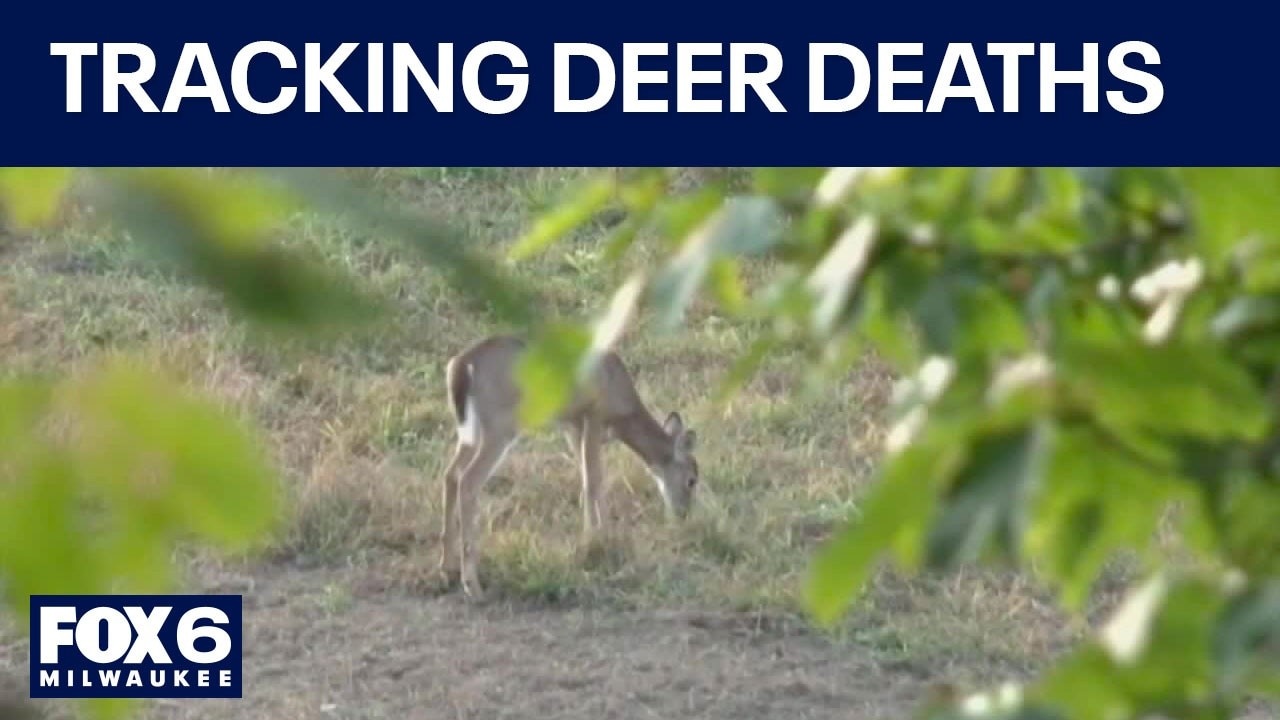
Washington County deer deaths; Wisconsin DNR investigates
The Wisconsin DNR is investigating a higher-than-normal amount of deaths among the deer herd, specifically in Washington County. Erin Larson, DNR deer herd health specialist, joined Wisconsin Live Desk to explain what is going on.
MILWAUKEE - As many as 100 deer have died in Wisconsin from a large outbreak of epizootic hemorrhagic disease (EHD). The outbreak could continue until the first frost.
EHD confirmed in Wisconsin deer
What we know:
An estimated 80 to 100 deer have died from EHD in Washington County, Wisconsin, since late July, according to the Wisconsin Department of Natural Resources (DNR). It was confirmed that deer were dying of EHD from a test on a deceased deer in Richfield in southern Washington County, according to Erin Larson, a Wisconsin DNR deer herd health specialist.
This outbreak is considered larger than normal, according to Larson. The average outbreak sees about 30 to 50 deer dead from EHD. The outbreak is also occurring earlier in the season than is typical, with outbreaks typically ending at the season's first freeze.
What we don't know:
It still remains to be seen what the total number of deceased deer from the outbreak will be.
However, Larson reassured that despite the high number of deer deaths occurring, deer herds are usually able to bounce back from the population decrease rather quickly.
What is EHD?
Dig deeper:
EHD, or epizootic hemorrhagic disease, is a virus that impacts white-tailed deer and other hoofed animals, according to Wisconsin DNR. The disease is most often fatal and usually kills the animal within a week of infection.
It is caused by either the bluetongue virus (BTV) or the epizootic hemorrhagic disease virus (EHDV). When the disease regularly occurs in a deer herd population, death rates are lower, typically killing less than 25% of the deer population.
However, in areas like Wisconsin, where the disease is less common, death rates are usually higher and high density herds will suffer higher fatality rates.
EHD is transmitted by biting flies, usually midges, so the disease is typically most prevalent when the fly population is most abundant, in late summer and fall. The virus cannot last long outside the insect or its host.
Why you should care:
The disease does not pose a risk to humans. Humans cannot contract the virus by handling infected deer, eating venison, or being bitten by infected insects.
It also does not impact common household pets, such as cats and dogs, according to Idaho Department of Fish and Game.
Symptoms in deer
Clinical Signs:
It is virtually impossible to distinguish between hemorrhagic disease caused by BTV or EHDV. Symptoms of the infection in deer vary depending on what stage of the disease the deer are in and how long they have been infected.
Potential signs of infection include:
- A lack of fear of humans
- Excessive salivation
- Foam present around the nose (sometimes with blood)
- Look weak despite having a good body condition
- Appear to have parts of the body swollen (usually the head and neck)
The deer will also often appear near water sources, as they head there to try to combat their high fevers and dehydration.
EHD history in Wisconsin
Timeline:
Wisconsin deer were first confirmed to have EHD in the fall of 2002 when 14 deer were found dead suddenly in Iowa County. Blood samples from deceased deer were collected and tested between 2002 and 2011 and the results did not find antibodies to BTV or EHDV. This implies that Wisconsin deer are not exposed routinely enough to these diseases to have developed any antibody resistance. Some deer, such as those in the southern and western U.S., have built up more antibodies against these viruses.
Outbreaks have varied in the number of deer killed by the viruses throughout the years. One of the most fatal outbreaks in recent years was in 2019. Crawford, Grant, Iowa, La Crosse, Richland, Sauk, and Vernon counties reported deer deaths ranging from 1 to 226 per county. The highest number of deer deaths were seen in Crawford County.
The identification of EHD happened in 1955 in both New Jersey and Michigan, according to the Michigan DNR. Hundreds of white-tailed deer had died of the disease, which had not been seen before.
Reporting sick or deceased deer
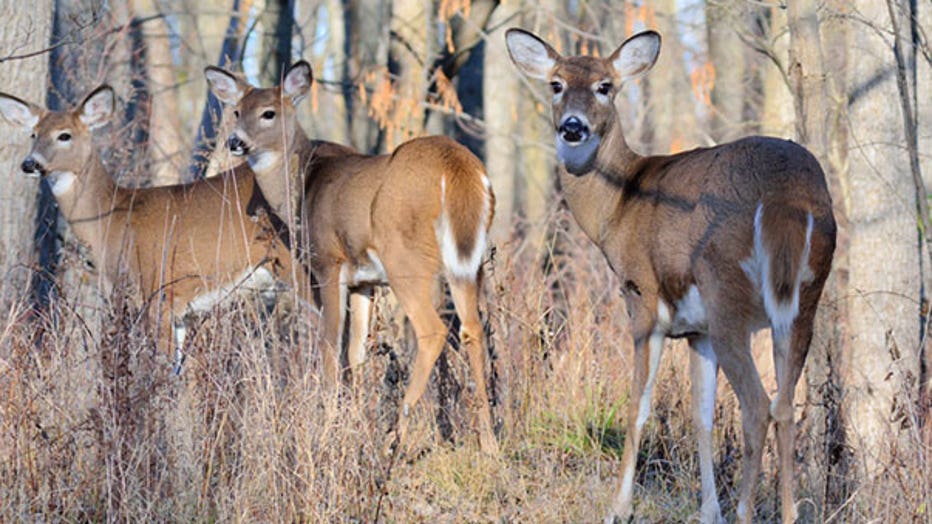
One of Minnesota's most recognizable and popular mammals, the white-tailed deer is found in every Minnesota county. It is one of Minnesota's most ecologically, socially and economically important animals. (Minnesota Department of Natural Resources)
What you can do:
If you spot a deer carcass or a deer that appears sick, you can report this to the Wisconsin DNR by emailing the agency at DNRWildlifeSwitchboard@wisconsin.gov or by calling 608-2267-0866.
When you contact Wisconsin DNR, they ask you to include the following information:
- The number of dead deer
- If the deer is sick or dead
- The specific location where you saw the deer, including the county
- Your contact information
You do not have to report deer that you see killed on the roadway for health reporting. The department also does not have the resources to remove the dead deer.
The Source: Information for this article was sourced from an interview with Erin Larson, as well as from the Wisconsin Department of Natural Resources, the Idaho Department of Fish and Game, and the Michigan Department of Natural Resources. This report was done from Eden Prairie, Minnesota.