

US officially loses measles-elimination status as cases hit highest level since 1991
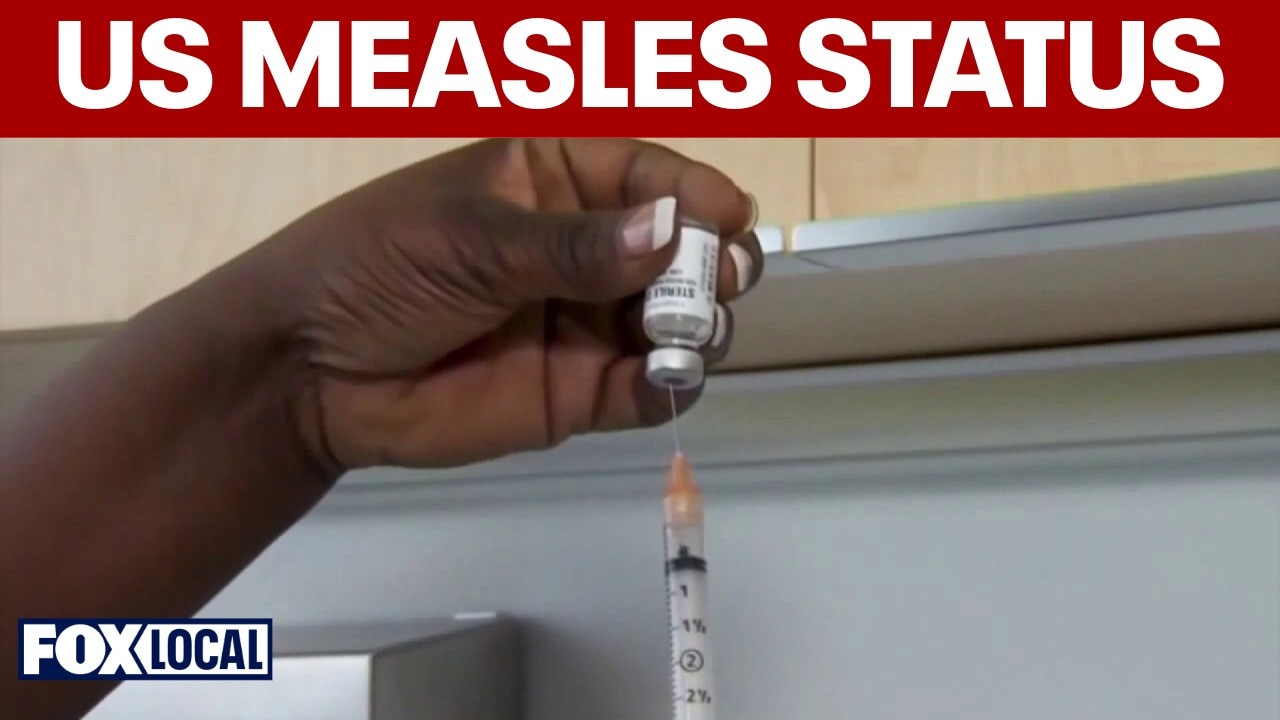
US set to lose measles elimination status
The Pan American Health Organization prepares to strip the U.S. of a public health milestone held since 2000 amid a deadly resurgence of the virus.
UNITED STATES - The United States has lost a major public health milestone.
The Pan American Health Organization officially announced on Tuesday that the U.S. has lost its "measles-elimination" status, a coveted public health designation the country has maintained since the year 2000.
What they're saying:
"The elimination of measles is not a trophy that a country wins once and places on a shelf," said PAHO Director Dr. Jarbas Barbosa in a statement on Tuesday. "It is an achievement that must be protected every day by closing immunity gaps and ensuring that every community is reached.
Mexico and Bolivia also lost their measles-free status on Tuesday.
By the numbers:
This downgrade follows an alarming and rapid surge in infections across the country.
According to the Centers for Disease Control and Prevention, more than 5,400 measles cases have been reported this year. That figure represents double last year's count and marks the highest number of reported cases since 1991. The ongoing outbreaks have already claimed the lives of 10 people.
Rise of congenital measles
Dig deeper:
Alongside the broader spike in infections, doctors are raising the alarm over a severe threat to a highly vulnerable population: newborn infants.
Health officials are increasingly concerned about babies being born with the virus, a condition known as congenital measles. This occurs when a pregnant woman contracts the virus and passes it to her fetus in the womb. For newborns, the infection can lead to serious, life-altering complications or prove fatal.
From the start of 2025 through the end of September, 13 congenital measles cases have been recorded.
Medical experts point to a singular root cause driving both the nationwide surge and the tragic re-emergence of congenital cases: declining vaccination rates across the country.
Congenital measles identified for first time in decades: What you need to know
As the measles outbreak continues to surge nationwide, health officials are tracking an increase in measles cases during pregnancy, along with rising concerns about congenital measles.
Measles vaccine
Why you should care:
Measles is a highly contagious respiratory disease transmitted through airborne droplets from coughing or sneezing, and in some instances, by touching contaminated surfaces. Complications can be severe, including pneumonia, brain swelling, immune amnesia, and death.
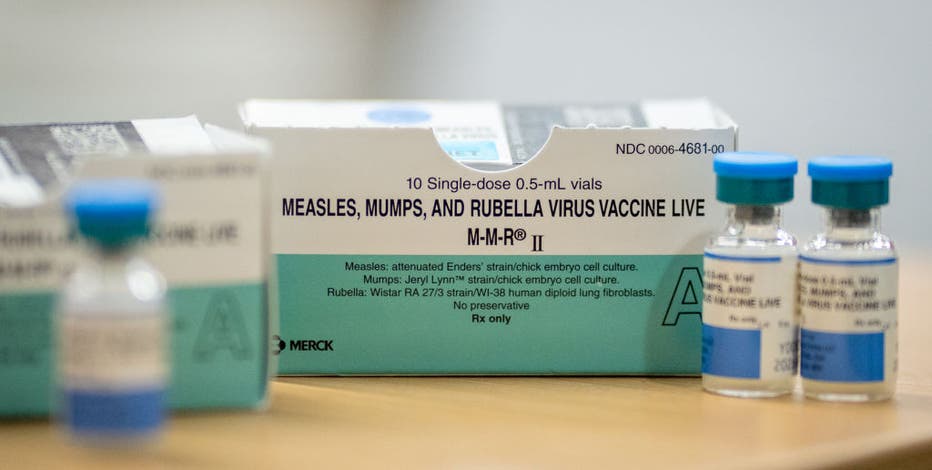
Health officials stress that the measles, mumps, and rubella (MMR) vaccine is the best defense against the virus. One dose provides 93 percent protection, while the standard two-dose regimen offers 97 percent protection.
The Department of Health has issued updated guidance to protect vulnerable populations:
- Infants: Babies as young as 6 months should receive an early dose of the MMR vaccine if they reside in a community with active transmission or plan to travel to affected areas.
- Older adults: While most people born before 1957 are considered naturally immune, those who received the vaccine between 1963 and 1967 may have been given a less effective version and should consult a doctor about revaccination.
- Travelers: Anyone traveling domestically or internationally should ensure they are fully vaccinated at least two weeks before departure.
Child dies in NY’s first measles-associated death in over 30 years amid ongoing outbreak
A child in Lewis County has died from complications related to measles, marking the first known measles-associated death in New York State in more than three decades.
Symptoms
What you can do:
Individuals exposed to measles who are not immune are advised to quarantine for 21 days. Symptoms typically appear 7 to 14 days after infection and include:
- High fever
- Cough
- Runny nose
- Red, watery eyes
A distinct rash usually emerges 3 to 5 days after initial symptoms, beginning as flat red spots at the hairline before spreading downward to the neck, trunk, and extremities. Fevers can spike to over 104 degrees once the rash appears.
Anyone experiencing symptoms is instructed to call ahead before visiting a clinic, urgent care, or emergency room so medical staff can implement necessary infection-control protocols. Residents unsure of their vaccination status should contact their primary care provider or local health department immediately.
The Source: Information from this article was sourced from the Pan American Health Organization, the Centers for Disease Control and Prevention and the NY Department of Health.