

Supreme Court upholds birthright citizenship, MN advocates react
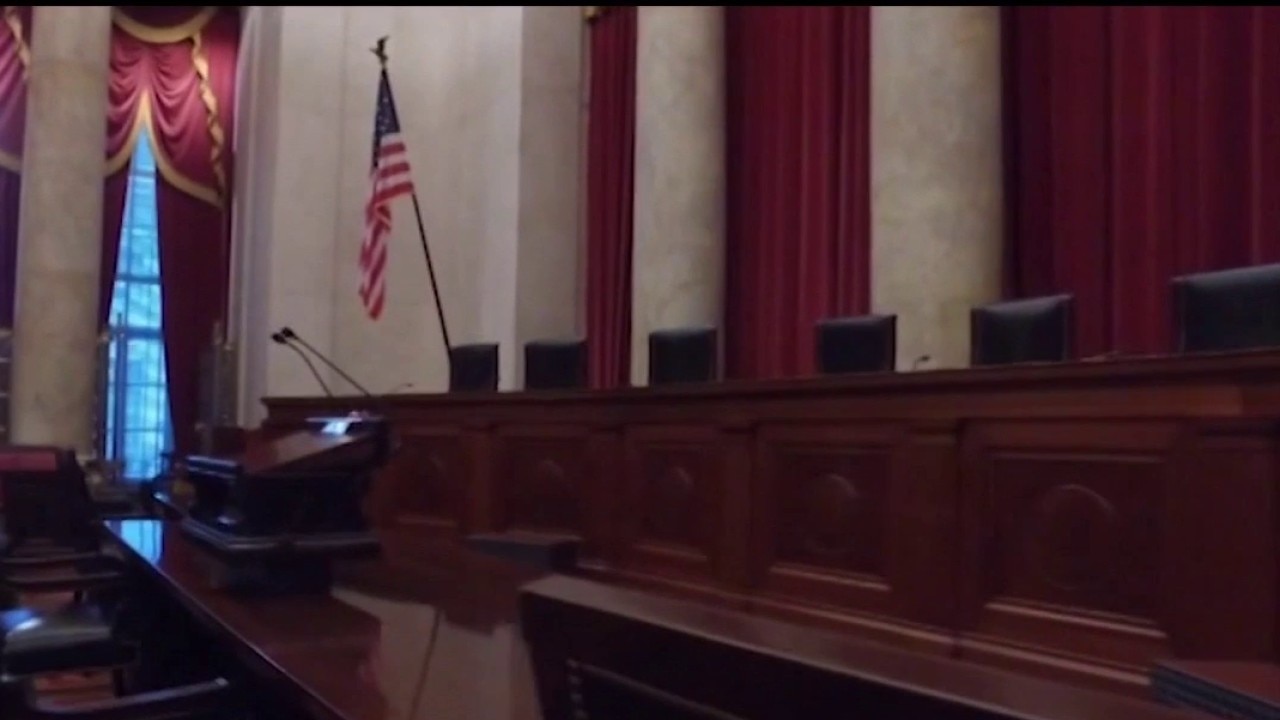
SCOTUS upholds birthright citizenship
The U.S. Supreme Court has upheld birthright citizenship after it was challenged in the courts. FOX 9's Soyoung Kim has more.
(FOX 9) - In one of the most consequential decisions Tuesday, the Supreme Court upheld birthright citizenship and rejected President Donald Trump’s executive order proposing restrictions.
Advocacy groups from across the Twin Cities gathered in Minneapolis to share personal stories of how this decision impacts their communities and families.
Long-standing belief
What we know:
President Trump issued an executive order proposing citizenship restrictions.
Trump attended oral arguments at the Supreme Court in April on this issue and was the first sitting president to do so. On Tuesday, the Supreme Court ruled on Trump’s appeal to a ruling by a lower court from New Hampshire that struck down citizenship restrictions.
Local perspective:
Unidos MN gathered multiple groups representing local advocates and immigrant communities at Mercado Central in Minneapolis Tuesday and reacted to the major ruling.
Some say they feel a mix of emotions, happy about the decision, but say there is some fear that their rights they thought were protected under the Constitution are being challenged.
"I was born here in the United States, but my parents were not," said Emily Rodriguez, a leader with Unidos MN. "This is the only home we have ever known. Many of us have never lived in our parent’s home countries and to suddenly question whether we belong here would change everything."
"This is about who belongs. It’s about whether we remain a country where every child begins life with equal dignity and equal claim to the American dream," said Emilia Gonzalez Avalos, executive director of Unidos MN.
What they're saying:
The Supreme Court was divided on this major decision, 6 to 3, with an even more narrow margin on the constitutionality. The majority struck down Trump’s executive order proposing restrictions on children born in the country to parents who are here temporarily or illegally.
In the majority opinion, Chief Justice John Roberts wrote, "citizenship, then and now, was the right to have rights— to freely participate in our political community. The framers of the fourteenth amendment extended that promise to every free-born person in this land. We keep that promise today."
The other side:
Justice Clarence Thomas wrote the main dissent and argued citizenship depended on a relationship to the country, "the citizenship clause was enacted for people who were born in this country and called it home. It was enacted for freed slaves such as Dred Scott, who had ‘a domicile’ here and therefore were entitled to sue as citizens."
President Trump says the Supreme Court's ruling on birthright citizenship is "too bad for our country."
What's next:
It would take a constitutional amendment to end birthright citizenship outright. Congress could also address legislation to place limits on practices like birth tourism and international surrogacy.