

Flock camera backlash: Some Minnesota cities keep license plate readers despite privacy concerns
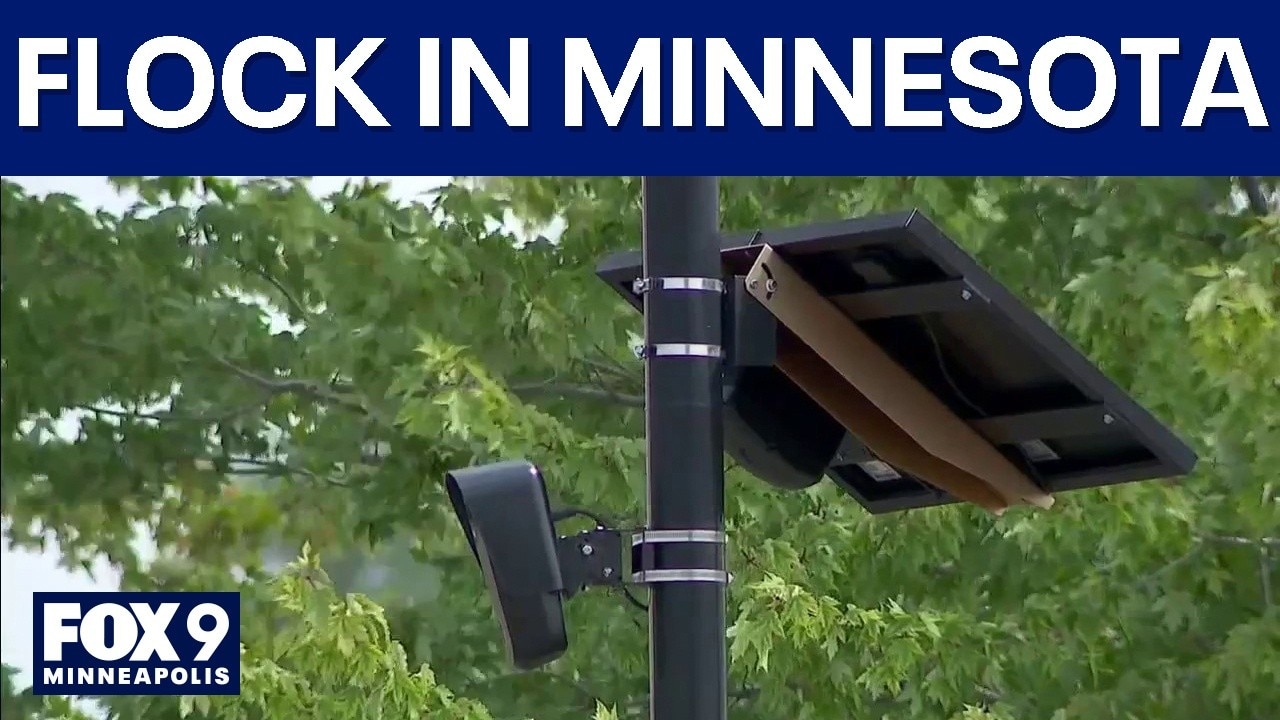
Debate continues over Flock cameras
As police departments weigh privacy concerns and crime-solving benefits, the debate over Flock license plate cameras is heating up across Minnesota. FOX 9’s Corin Hoggard has the latest details.
(FOX 9) - The debate over Flock license plate cameras is heating up across Minnesota as some cities end their contracts while others stand by the technology.
Police departments weigh privacy concerns, crime-solving benefits
What we know:
Several law enforcement agencies have recently dropped Flock camera contracts due to worries about privacy and misuse by officers.
These concerns have led to complaints from residents and community groups, especially after incidents like Plymouth police mistakenly surrounding a family flagged by the system and reports of hundreds of immigration-related searches.
What they're saying:
"I think everything that's happened with the federal government in the last probably six months has really brought it to a forefront. It's been happening a long time in the background," said Lindsay Keogh, with Progress in the Park.
St. Louis Park residents are among those joining calls to end Flock contracts, following decisions to do so in Columbia Heights, Fridley, Sherburne County, Isanti County and Duluth.
Flock has responded to criticism by changing its data policies, reducing how long data is kept from 30 days to seven and giving agencies the ability to block the cameras’ use for immigration enforcement.
Some cities stick with Flock cameras despite criticism
Why you should care:
Flock says its cameras read about 20 billion license plates every month nationwide with 93% accuracy. The company points to crime-solving successes, such as in Stillwater, where a council member said the cameras helped solve a fraud case and cleared a person accused of assault.
In Wyoming, Minnesota, the city council recently renewed its contract for four Flock cameras.
Police Chief Neil Bauer said he audits the system regularly and only shares data with a few neighboring agencies.
"We have put in place an agreement with other departments that if they want access to our data, they need to submit a authorization. If they don't, I remove them or don't provide access to begin with," said Bauer.
But one Wyoming council member opposed the renewal, arguing the cameras only led to two investigative leads in a year.
Cities could hear more public pushback soon, as advocates have named next week the "National Week Against automated license plate readers."
The backstory:
The controversy over Flock cameras has grown as more residents and advocacy groups raise concerns about privacy, data retention and the potential for misuse.
The company’s recent policy changes are seen by some as a response to public pressure and lost contracts.
What we don't know:
It remains unclear how many more Minnesota cities will choose to end or renew their contracts with Flock, and what impact the upcoming week of advocacy will have on local policies.