

MN officials warn dogs adopted from South Dakota show 'high prevalence of canine brucellosis'
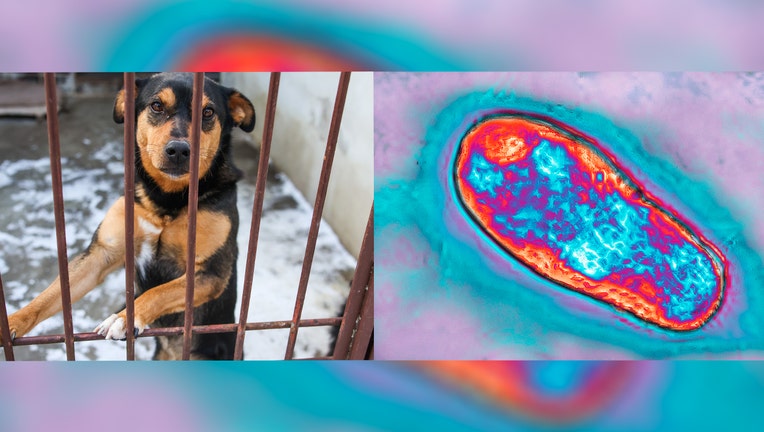
Image on the left shows a dog waiting for adoption in a shelter (Photo by Beata Zawrzel/NurPhoto via Getty Images). image on the right shows an optical microscope view of bacterium brucella canis causes brucellosis (Photo by: BSIP/Education Images/Un (Getty Images)
The Minnesota Board of Animal Health is warning that some dogs adopted from South Dakota are testing positive for canine brucellosis, a contagious and uncurable infection.
Dogs from South Dakota carrying canine brucellosis
By the numbers:
State officials say that so far in 2026, there have been seven canine brucellosis positive dogs traced to South Dakota.
What they're saying:
Companion Animal Program Veterinarian Dr. Steve Kivisto shared the following statement on the matter.
"We’re evaluating new import requirements and quarantine procedures for dogs coming into Minnesota from South Dakota due to a high prevalence of canine brucellosis in dogs rescued from that geographic area in the past few years," said companion animal program veterinarian Dr. Steve Kivisto. "We’ve also had recent cases imported from other states and will consider additional requirements if those also prove to contain a pattern of canine brucellosis."
Dig deeper:
Canine brucellosis is an infection that primarily affects dogs, but there are strains capable of infecting other species, including humans.
The infection in dogs is not curable, and should an owner choose to attempt treatment, their pet could still continue to shed the bacteria. Infected dogs would either need to be quarantined for life or humanely euthanized to prevent the spread.
People who live with or work closely with animals are also at risk of contracting brucellosis.
What you can do:
Officials say anyone bringing dogs into Minnesota for resale or adoption must have a veterinarian examine the animal and sign off on a certificate of veterinary inspection certifying that it appears free from disease.
Testing is also highly recommended since infected dogs can appear healthy.
The Source: This story uses information shared by the Minnesota Board of Animal Health.