

You Are Not Alone: What to Expect When Expecting a Mastectomy
This content was provided by our sponsor, CRL Women's Imaging. The FOX editorial team was not involved in the creation of this content.


From fear to hope — what every newly diagnosed woman needs to know.
Hearing the words "You have breast cancer" changes everything. Fear, confusion, and questions rush in at once. A new diagnosis can feel so lonely, but here’s the truth: you are not alone.
The moment you’re diagnosed, your world flips upside down. Daily routines are tossed aside. Information comes at you like water from a fire hose. Big life decisions must be made suddenly. It’s overwhelming, disorienting, and deeply personal.
When I was diagnosed, one of the biggest decisions I faced was what kind of surgery to have. I chose a double mastectomy — a decision that terrified me, mostly because I had no idea what to expect. What would I look like? How would I feel? Would I ever feel normal again?
While doctors could answer the medical questions, I craved something more authentic. I needed to hear what it would be like from someone who had been through it. Thankfully, I found that person in an unexpected place.
The Woman Who Showed Me Hope
We’ll call her Sophia. She was a coworker I barely knew. One afternoon, she quietly pulled me aside in the hallway.
"I had a double mastectomy and reconstructive surgery about five years ago," she whispered.
I froze. My heart raced. She looked healthy, confident, and beautiful.
"I’m afraid," I admitted softly. "I don’t know what to expect."
"You’re going to be fine," she said, meeting my eyes with quiet confidence. Then she asked something I’ll never forget:
"Would you like to see my breasts?"
I didn’t know what to say. I was caught between professionalism and desperation — but curiosity and courage won.
We found a small, out-of-the-way bathroom in the office and locked the door. Without hesitation, she took off her shirt.
Her reconstructed breasts looked so natural that I couldn’t believe she’d had a mastectomy. Her scars were faint, her 3D nipple tattoos lifelike. For the first time since my diagnosis, I felt something new: hope.
That moment gave me a glimpse of my future — one that could still be full of health, beauty, and confidence. Sophia’s bravery helped me imagine a life beyond cancer.
From Fear to Healing
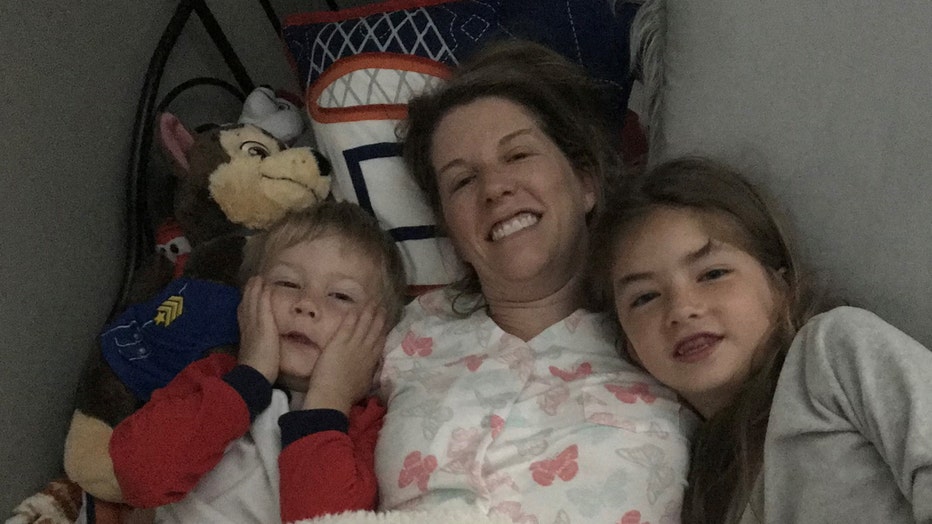
When I finally had my surgery, I often thought about Sophia. She gave me the gift of her own vulnerability and authenticity. I wanted to pass along that same sense of guidance, courage, and hope to others. This vision inspired me to write The Mastectomy I Always Wanted, a candid look at the mastectomy journey.
Whether you’re newly diagnosed or a caregiver walking beside someone in the breast cancer journey, I wanted to share lessons and practical tips. We are all in this together, and this advice will support you in your journey.
Be Clear About What You Need
This is your body, your experience, and your healing. From day one, give yourself permission to be clear and direct about what you need — emotionally, physically, and practically.
Friends and family often want to help, but they may not know how. Tell them what’s actually useful: a meal delivery, a ride to your appointment, childcare coverage, or simply someone to sit quietly with you. The clearer you are, the more meaningful their support will be.
Designate a Lead Communicator
You’ll be amazed how quickly texts and messages pile up once people hear your news. It’s touching — but it can also be exhausting to respond while you’re processing everything.
Appoint one trusted friend or family member to share updates through group texts, emails, or a CaringBridge page. Let people know ahead of time that you might not respond directly — not because you don’t appreciate their care, but because you’re conserving your energy for healing. This simple boundary brings peace for everyone.
Buy Comfortable, Front-Opening Clothes
After surgery, your mobility will be limited. You’ll need clothes that are soft, loose, and easy to put on. Stock up on inexpensive tops that button or zip in the front — pajamas, hoodies, or cotton shirts.
These clothes are temporary, just like this season of life. Wear them often, wash them a thousand times, and then let them go when you’re ready. Making daily dressing easier gives you a sense of control when so much else feels unpredictable.
Keep a Journal
Even the strongest women need space to process. Writing helps release what your brain and body are holding onto.
If you can, write by hand — it activates the parts of your brain that can process and heal emotions. You don’t need to write beautifully or consistently. Just start with one sentence prompts like:
- I’m grateful for
- I’m afraid of
- Today I feel
- Today I learned
You’ll be surprised what surfaces. Journaling helps you see patterns, process big decisions, and give yourself grace. It’s a quiet, powerful act of healing.
Invest in Helpful Tools
A few small items can make a big difference in recovery. My personal favorites:
- Plastic lanyard or waterproof string for the shower to hold your drainage tubes so they don’t dangle at your sides
- Recliner chair for getting up and down easily and reducing strain when standing
- Wedge pillow to keep you slightly upright and comfortable while sleeping on your back
Showering, sleeping, and moving may sound ordinary, but after surgery, they become important goals worth investing in and celebrating.
Get Physical and Mental Health Support
Having a mastectomy is like renovating a house — you need professionals to rebuild properly.
A physical therapist can help you restore movement and prevent tightness or pain. Ask your care team when it’s safe to begin. Don’t wait until you’re struggling; start early.
Just as important is mental health therapy. I resisted it at first, telling myself I was strong, resilient, self-aware. But my surgeon and fellow survivors insisted — and they were right. Talking to a therapist became one of the best parts of my healing.
Therapy gave me space to grieve, release fear, and redefine how I saw myself. Healing isn’t just physical — it’s deeply emotional. Strengthening your mind is part of recovery, not an afterthought.
Rest Without Guilt
After a few weeks, people around you might start acting like life is "back to normal." But you’ll still be healing — and that’s okay.
Nap often. Rest when you need to. Your body is doing hard work, even when you’re still.
You don’t have to earn rest; it’s part of recovery. I learned to repeat the mantra: patience and grace.
Healing isn’t linear. Some days you’ll feel strong; others you’ll need the couch and a blanket. Both are part of progress.
Trust the Process
During reconstruction, my surgeon often said, "Trust the process." At first, I hated that phrase — how could I trust something so uncertain?
But I eventually understood. Healing takes time. It’s messy and unpredictable, but it moves forward.
Trust your instincts — if something feels off, speak up. And when you’ve found doctors you believe in, let them do their job. You can’t control every detail, but you can control how you show up: with curiosity, patience, and courage.
Find Your People
Healing happens faster when you’re not alone.
Join a support group, talk to survivors, or connect with women online who understand exactly what you’re facing. Their stories will remind you that what you’re feeling is normal — and that there’s life, laughter, and even beauty ahead.
Connection doesn’t just help; it saves sanity.
Know You Are Stronger Than You Think
No matter how fearful or unsure you feel right now, you are stronger than you realize.
People will say, "I don’t know how you do it." The truth is, you’ll do it one baby step at a time, because you have no choice but to rise.
Your resilience becomes your anchor. With each small victory, you’ll rediscover pieces of yourself that are brave, capable, and more powerful than you imagined.
The Bottom Line
If you’re newly diagnosed, take a deep breath. You are not alone. There’s a roadmap, a community, and a future waiting for you.
You can’t control every part of this journey, but you can control how you face it. I encourage courage, grace, and trust in yourself.
Physical and emotional healing is possible. And one day, like Sophia did for me, you might find yourself helping another woman see that same truth.
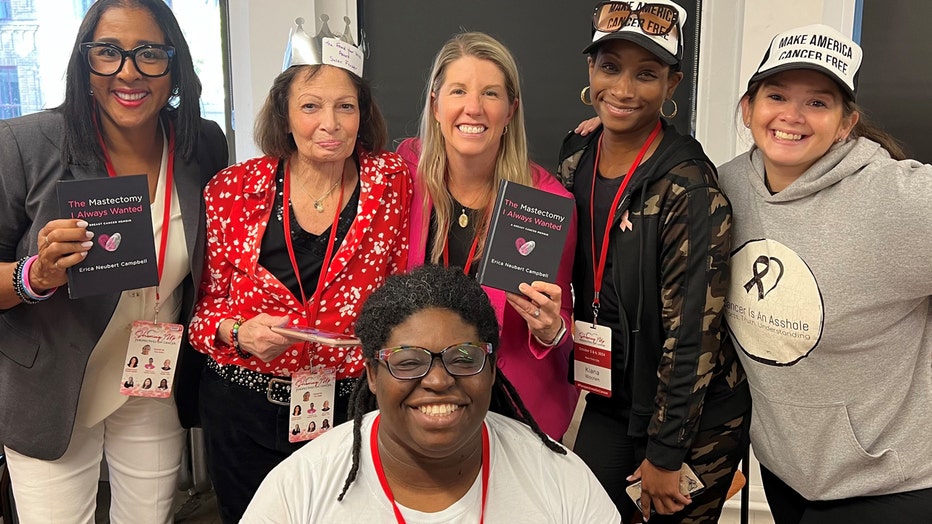
Erica Neubert Campbell is an award-winning writer and longtime cancer advocate who speaks the "vocabulary of cancer" from multiple perspectives. A breast cancer survivor who lost her mother to the same disease, Erica combines authenticity and practicality in her memoir The Mastectomy I Always Wanted: A Guide for the Breast Cancer Journey.
This content was provided by our sponsor, CRL Women's Imaging. The FOX editorial team was not involved in the creation of this content.