



How lack of sunlight during cloudy, winter months impacts the brain
With the combination of fewer daylight hours and less visible sun during the day, experts say your brain starts to send the wrong signals to your body.
With the combination of fewer daylight hours and less visible sun during the day, experts say your brain starts to send the wrong signals to your body.
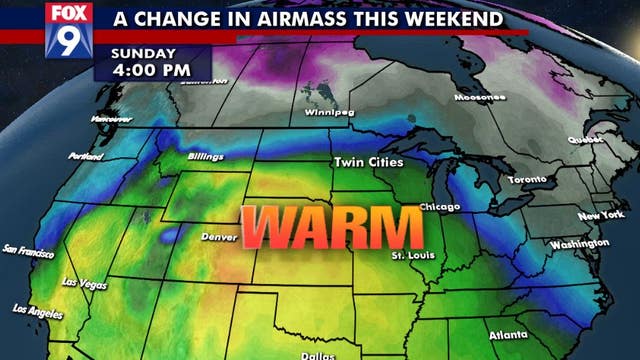

The sun is finally set to return
We’re now on day nine with persistent gray skies, so just how much longer will it be before we see the sun? Well, can you handle another day or two? Yep, that’s right. Another 48 hours or so and we might actually get to see the sun again. Not to mention, temperatures could warm into the 40s before the weekend is over. So why have we been so cloudy?
We’re now on day nine with persistent gray skies, so just how much longer will it be before we see the sun? Well, can you handle another day or two? Yep, that’s right. Another 48 hours or so and we might actually get to see the sun again. Not to mention, temperatures could warm into the 40s before the weekend is over. So why have we been so cloudy?

Thursday's forecast: Well, mid to upper 20s....again
The weekend will be warmer....and we may...may see the sun!
The weekend will be warmer....and we may...may see the sun!
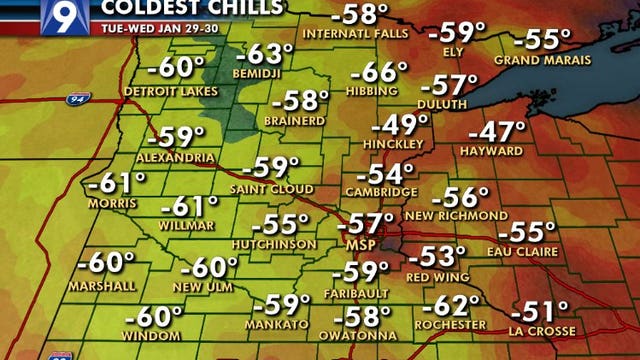

It's been a year since our record cold of late January 2019
One year ago this week, Minnesota as well as much of the Upper Midwest, were dealing with cold that hadn’t been seen in at least a couple of decades. A massive and extreme pocket of cold air was shoved southward straight out of the North Pole and ended up in Minnesota just 36 hours later. It was this quick movement and heavy snow cover across the Northern Hemisphere that didn’t allow this air to warm as it headed southward, like many arctic outbreaks have before. This lead to the coldest day in the Twin Cities in a good 25 years.
One year ago this week, Minnesota as well as much of the Upper Midwest, were dealing with cold that hadn’t been seen in at least a couple of decades. A massive and extreme pocket of cold air was shoved southward straight out of the North Pole and ended up in Minnesota just 36 hours later. It was this quick movement and heavy snow cover across the Northern Hemisphere that didn’t allow this air to warm as it headed southward, like many arctic outbreaks have before. This lead to the coldest day in the Twin Cities in a good 25 years.


This has been the gloomiest January in more than 50 years in the Twin Cities
This month has been the area's gloomiest January in more than 50 years, and it will go down as the cloudiest first month of the year since solar radiation records began at the University of Minnesota St. Paul Climate Observatory back in 1963.
This month has been the area's gloomiest January in more than 50 years, and it will go down as the cloudiest first month of the year since solar radiation records began at the University of Minnesota St. Paul Climate Observatory back in 1963.

Wednesday's forecast: More of the same
Temps in the 20s. Cloudy. Ok, the sun is out there, we just have to wait a little longer to see it.
Temps in the 20s. Cloudy. Ok, the sun is out there, we just have to wait a little longer to see it.


Pickup truck partially submerged after going through thin ice on southern Minnesota lake
Authorities in southern Minnesota are warning anglers about thin ice after a pickup truck went through the ice on a lake Monday.
Authorities in southern Minnesota are warning anglers about thin ice after a pickup truck went through the ice on a lake Monday.


Airplanes, power plants creating flurries in Minnesota
Have you seen a few flakes over the last couple of days? Well, those flakes may actually have been caused by man instead of nature.
Have you seen a few flakes over the last couple of days? Well, those flakes may actually have been caused by man instead of nature.

Tuesday's forecast: Not much changes
Highs in the low 30s. Cloudy. Basically what we've had for a while.
Highs in the low 30s. Cloudy. Basically what we've had for a while.

Monday's forecast: Cloudy and mild
Highs in the metro will top off around 32
Highs in the metro will top off around 32

FOX 9 Weather Forecast for Sunday, Jan. 26, 2020
FOX 9 Weather Forecast for Sunday, Jan. 26, 2020
FOX 9 Weather Forecast for Sunday, Jan. 26, 2020


Minnesotans enjoy reprieve from brutal cold with round of golf on frozen lake
Thirty degrees might not be too warm for most, but when you're used to the brutal cold of a Minnesota winter, 30 degrees can feel nice.
Thirty degrees might not be too warm for most, but when you're used to the brutal cold of a Minnesota winter, 30 degrees can feel nice.


Minnesota is having an average to extreme winter... so far
The next couple of weeks will likely change many of our attitudes about our winter so far with plenty of mild temperatures likely to round out our January… what’s typically our coldest month of the year. But overall, according to the Accumulated Winter Season Severity Index (AWSSI), it’s been a harsh winter for some so far.
The next couple of weeks will likely change many of our attitudes about our winter so far with plenty of mild temperatures likely to round out our January… what’s typically our coldest month of the year. But overall, according to the Accumulated Winter Season Severity Index (AWSSI), it’s been a harsh winter for some so far.

FOX 9 Weather forecast for Saturday, Jan. 25, 2020
FOX 9 Weather forecast for Saturday, Jan. 25, 2020
FOX 9 Weather forecast for Saturday, Jan. 25, 2020


Northernmost US city in Alaska to see sunrise for first time in months
Utqiagvik, formerly known as Barrow, is located north of the Arctic Circle and experiences a phenomenon called the “polar night.”
Utqiagvik, formerly known as Barrow, is located north of the Arctic Circle and experiences a phenomenon called the “polar night.”
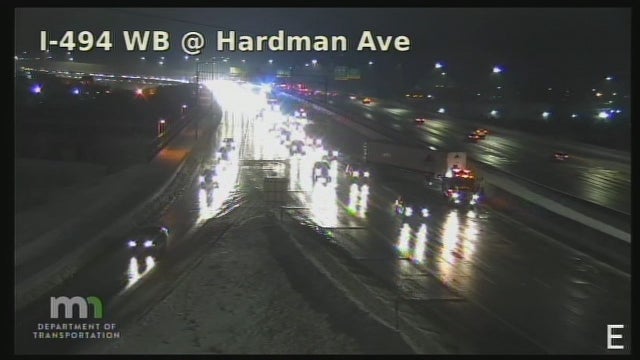

Light snow overnight make roads slick, over 150 crashes reported during Thursday morning commute
Roads are rough Thursday morning thanks to some overnight snow, causing plenty of spin outs and crash during the morning commute.
Roads are rough Thursday morning thanks to some overnight snow, causing plenty of spin outs and crash during the morning commute.
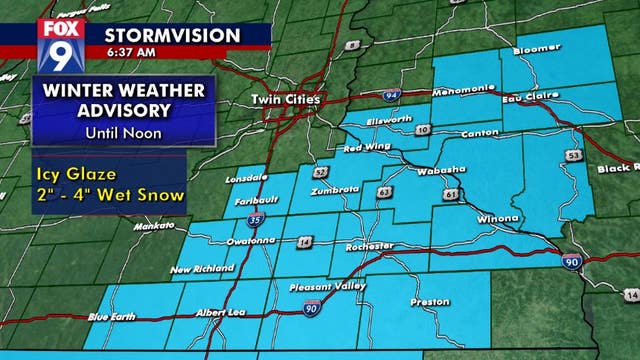

Winter warm up: Patchy drizzle, light flakes in Twin Cities, icy glaze in SE Minnesota
The winter warm up has begun with temperatures lingering in the 30s for the rest of the week, leading to drizzle and light flakes in the Twin Cities metro.
The winter warm up has begun with temperatures lingering in the 30s for the rest of the week, leading to drizzle and light flakes in the Twin Cities metro.


Cold-stunned iguanas are actually falling from South Florida trees
The National Weather Service routinely warns people about falling rain, snow and hail, but temperatures are dropping so low in South Florida the forecasters warned residents about falling iguanas.
The National Weather Service routinely warns people about falling rain, snow and hail, but temperatures are dropping so low in South Florida the forecasters warned residents about falling iguanas.

Wednesday's forecast: Metro warms, but snow could cause issues in southeastern Minnesota
Temps in the 30s...and get used to it, they'll be here for a while.
Temps in the 30s...and get used to it, they'll be here for a while.
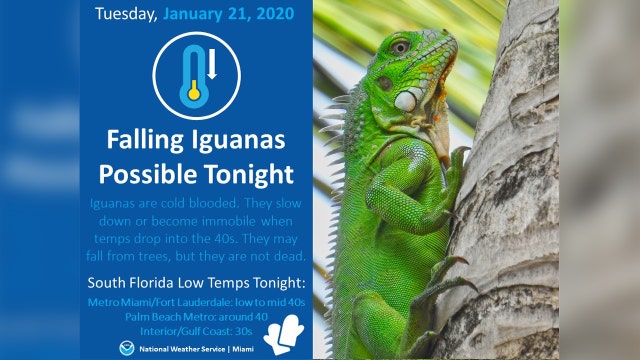

Forecast: Falling iguanas in South Florida
The National Weather Service usually sticks to atmospheric weather events, but the agency made a special exception and expanded forecasting criteria to include things falling from above.
The National Weather Service usually sticks to atmospheric weather events, but the agency made a special exception and expanded forecasting criteria to include things falling from above.