

Minnesota trans athlete policy faces new pressure after Supreme Court ruling
Supreme Court rules states can ban transgender athletes
The United States Supreme Court on Tuesday upheld state laws banning transgender athletes from female sports teams. Minnesota Governor Tim Walz, appearing at an event to unveil the Office of Public Service, says nothing will change in Minnesota with the laws up to individual states.
(FOX 9) - The Supreme Court’s decision on transgender athletes could have ripple effects in Minnesota, even though the state’s rules aren’t directly impacted right now.
How the Supreme Court ruling could shape Minnesota’s future
What we know:
The Supreme Court upheld bans in Idaho and West Virginia that prevent transgender athletes from competing in certain school sports.
While the majority opinion, written by Justice Brett Kavanaugh, made clear it was not meant to decide whether laws allowing transgender participation are constitutional, the decision could still influence Minnesota’s policies and legal battles.
Transgender athlete ruling: What it means for MN
The Supreme Court upheld state bans on transgender athletes that could have ripple effects across Minnesota, but the state’s rules aren’t directly impacted right now.
Minnesota currently allows transgender athletes to compete under rules set by the Minnesota State High School League since 2014. Out of about 230,000 student-athletes in that time, federal officials identified about a dozen transgender girls who have competed in high school sports.
The SCOTUS ruling comes as the federal Department of Justice has sued Minnesota over its policy, and Attorney General Keith Ellison has pledged to keep defending policies that protect transgender participation. He’s already seen some wins in court, but supporters worry the Supreme Court’s decision could set the stage for future losses.
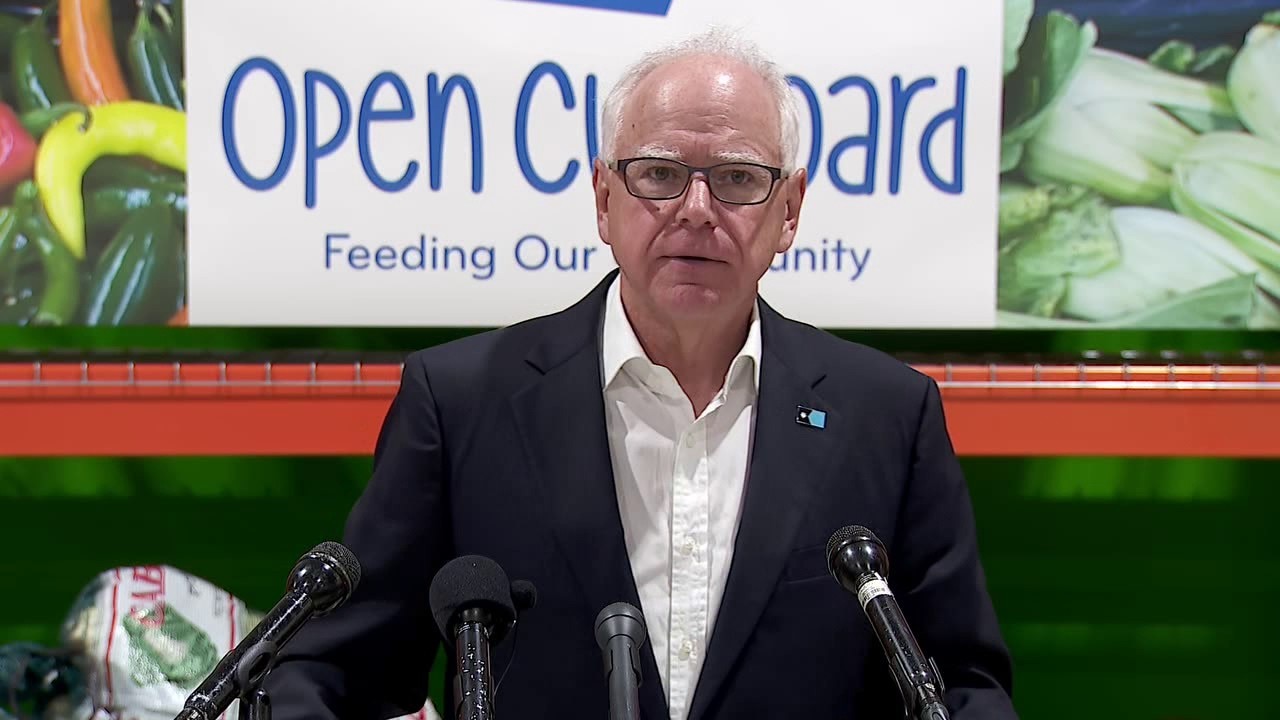
Gov. Walz: ‘We can continue to treat transgender athletes with dignity’
Minnesota Gov. Tim Walz reacted Tuesday after the U.S. Supreme court upheld state laws banning transgender athletes from female sports teams. With the laws up to individual states, Walz said Minnesota will continue to treat transgender athletes with dignity, humanity and respect, and nothing will change.
Local perspective:
Gov. Tim Walz said, "The Supreme Court has allowed states to be as cruel as they want to be to transgender people. They've also allowed states like Minnesota to be kind and welcoming as they can."
Minnesota Attorney General Keith Ellison advised the State High School League last year that a ban would violate the state’s Human Rights Act.
Gender Justice Executive Director Megan Peterson said, "It really is a foundation for further encroachment on the advances that we've made in gender equity." Peterson also called the controversy "a manufactured, completely manufactured, you know, crisis. It's made up, it's a distraction."
The debate intensified after a transgender athlete helped Champlin Park win a state softball championship last year, leading to a civil lawsuit and renewed calls from Republican legislators for a statewide ban.
Breaking down today's Supreme Court rulings
Today the Supreme Court ruled on its final opinions of the term. The court ruled to uphold birthright citizenship and to allow states to ban transgender athletes from female sports. University of Minnesota professor of political science Timothy R. Johnson joins All Day to break down what these rulings reveal.
What’s next for Minnesota’s laws and athletes
What's next:
Republican lawmakers have tried for two years to pass a law banning transgender athletes in girls sports.
Rep. Peggy Scott, who authored the bill, said, "Obviously, I hope that my bill to protect girl sports will move forward in the legislature given this ruling today. I'm hopeful that others that have been voting against this in the past will see that this is a commonsense way to do things."
The Minnesota State High School League (MSHSL), which oversees these rules, has not yet responded to requests for comment. In the past, the league has relied on guidance from the attorney general that a ban would violate state law.
The issue is likely to come up again in the campaign leading up to the November elections and in future legislative sessions as both sides prepare for the next round of debate.
What we don't know:
It remains unclear if or when Minnesota’s policies will change in response to the Supreme Court’s decision.
The State High School League has not commented on whether it will reconsider its current rules, and the outcome of ongoing lawsuits is still uncertain.