

Minnesota Clemency Commission recommends pardon for immigrant who says deportation means death
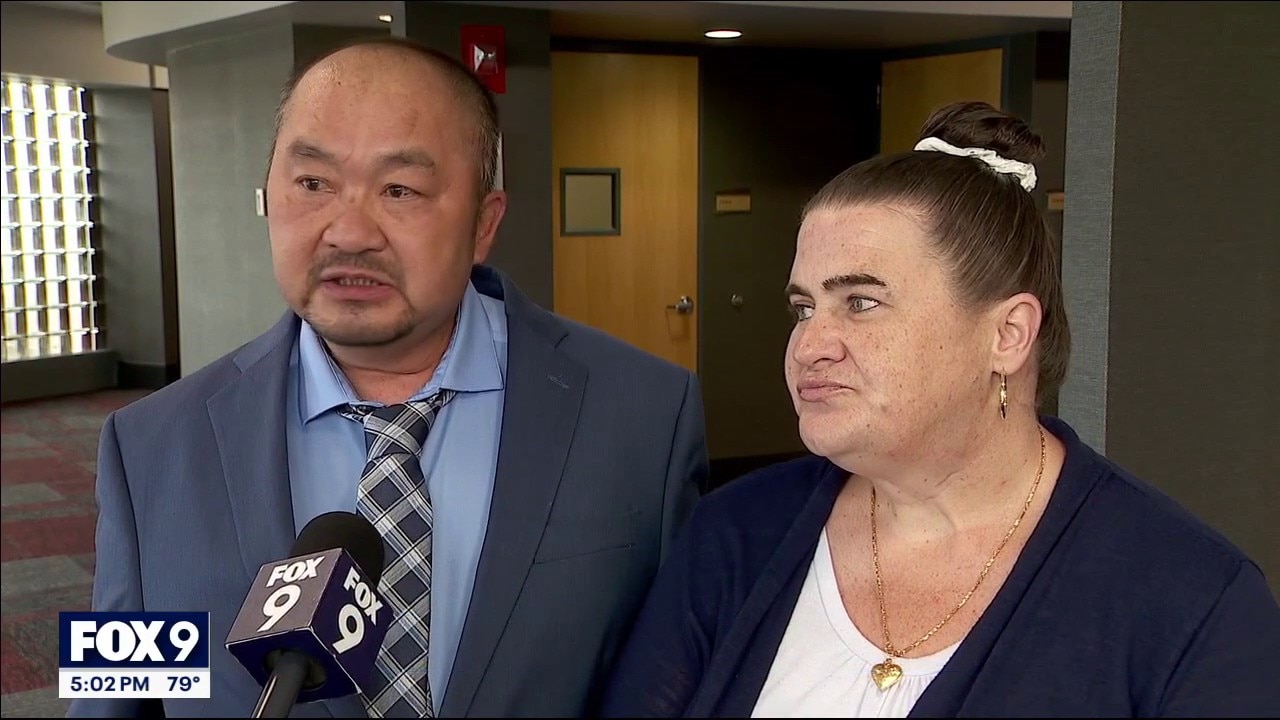
MN man's pardon push: 'Deportation is a death sentence'
The Minnesota Clemency Review Commission has recommended a pardon for a man facing deportation and who relies on dozens of medications. FOX 9's Corin Hoggard has more.
ST. PAUL, Minn. (FOX 9) - A Minnesota man’s fight to stay in the U.S. now hinges on a pardon recommendation that could determine his future.
Commission recommends pardon for man facing deportation
What we know:
The Clemency Review Commission voted to recommend a pardon for La Thammavong, who is facing deportation after decades in the U.S.
Thammavong relies on more than a dozen medications following a kidney transplant, and his doctor at the Mayo Clinic says he would likely die without them.
"The treatment, the medication is not available in Laos and if I got deported I mean it's just a death sentence for me," said Thammavong.
Thammavong came to the U.S. as a legal refugee in 1989. Five years later, he was convicted of two assaults and served three years in prison. He was later convicted of drug and theft offenses in 2000 and 2001, but has had a clean record for the last 25 years.
The backstory:
Thammavong’s wife, Mary, said, "He was under the radar, and he's been compliant with ICE ever since 2008."
Thammavong’s situation changed after his wife recorded ICE agents in Rochester during Operation Metro Surge.
An ICE agent was heard saying, "He had the final order as a threat level 1, so you just aided in your husband's deportation. I hope you feel real good."
Thammavong recently learned that the government won an appeal, delaying any deportation until at least July.
Thammavong is hoping a pardon will erase the criminal history that led to his deportation order and give him a chance at citizenship.
"I've been here for so long, almost 40 years," said Thammavong.
The commission’s recommendation is not the final step.
The Board of Pardons will make the ultimate decision, and even a pardon does not guarantee protection from deportation, as shown by the case of Tou Vang, who was deported to Laos in July despite receiving a pardon.
The other side:
The government’s actions highlight the complexity of cases involving immigrants with criminal records.
While Thammavong’s supporters point to his long-term compliance and health risks, federal authorities base decisions on criminal convictions and threat assessments.
Thammavong’s case has drawn attention to the intersection of health, criminal justice, and immigration policy, with advocates arguing that deportation could be a death sentence due to his medical needs.
What’s next for Thammavong’s case
Timeline:
Thammavong will not be deported until at least July, following a recent appeal win.
The Board of Pardons will review the commission’s recommendation and make a final decision on his pardon request.
The outcome of Thammavong’s case could set a precedent for others in similar situations, especially those who have lived in the U.S. for decades and face life-threatening consequences if deported.
What we don't know:
It is not yet clear when the Board of Pardons will make its final decision or whether a pardon will ultimately allow Thammavong to remain in the United States. The impact of a pardon on his citizenship hopes and future immigration status also remains uncertain.