

Feeding Our Future: Aimee Bock accused of leaking protected case files
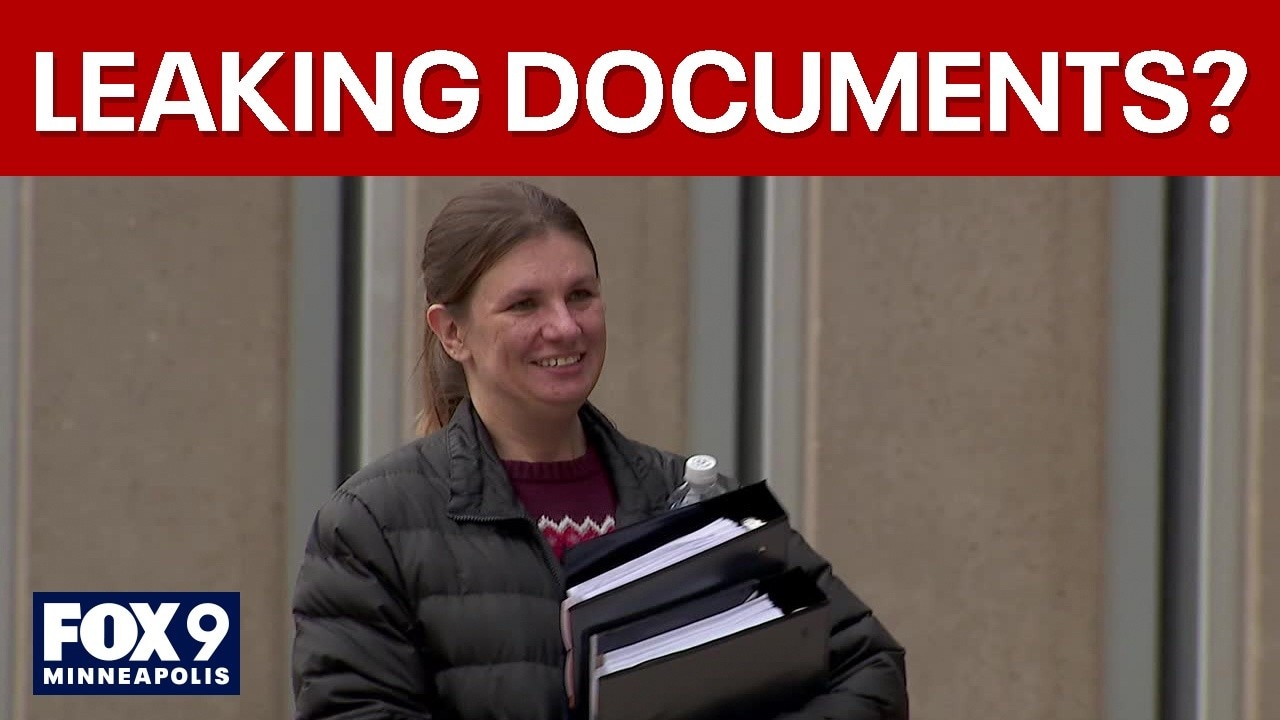
MN fraud: Aimee Bock in court over document leak claims
The alleged Feeding Our Future ringleader, Aimee Bock, is back in court as prosecutors accuse her of using her son to leak protected documents from jail ahead of her upcoming sentencing. FOX 9’s Bill Keller reports.
MINNEAPOLIS (FOX 9) - Federal prosecutors are asking a judge to tighten restrictions and impose sanctions on Aimee Bock, convicted in the Feeding Our Future fraud case, after they say she repeatedly leaked sensitive court documents to the media and elected officials.
Aimee Bock accused of leaking documents from jail
What we know:
Prosecutors allege that since February, Bock has directed her college-age son to download and send protected materials from her Dropbox account to lawmakers and reporters. They say she aimed to shift blame for the fraud scheme away from herself and onto state officials and uncharged individuals.
Government officials allege Bock told her son to remove any markings showing the documents came from her criminal case, and to use a Proton Mail account under a fake name.
In recorded jail calls, Bock said, "Ellison’s office intentionally set Bock/FOF up to be a scapegoat," and, "we’re blowing s**t up now. Now we’re leaking all kinds of documents," according to the motion.
Dig deeper:
Prosecutors say Bock’s actions were part of a public relations campaign ahead of her Thursday, May 21 sentencing, hoping to minimize her leadership role in the scheme. They argue her conduct is a "flagrant, knowing, and willful" violation of a court order.
The government is asking the court to ban Bock, her sons, or anyone acting for her (except her criminal defense attorney) from accessing or possessing any protected materials unless her attorney is present.
They also want Bock to give up her Dropbox account and surrender all physical and electronic copies of protected documents, including her son’s computer.
Prosecutors also request that Bock be barred from contacting her sons before sentencing, citing her use of them to leak documents.
According to court records, at least 79 people have been charged in the Feeding Our Future case, with 65 convictions so far. They warn that Bock’s leaks could harm ongoing investigations, future trials and the safety of witnesses who spoke to law enforcement.
Aimee Bock convicted of Feeding our Future fraud
The backstory:
Prosecutors say Bock was convicted on all counts by a jury on Wednesday, March 19, for her role in the Feeding Our Future fraud, which involved hundreds of millions of dollars in federal child nutrition funds. The case has seen multiple attempts to subvert the judicial process, including past incidents of recording court proceedings, bribing jurors, and tampering with witnesses.
The court’s original protective order, issued Tuesday, Nov. 15, 2022, required Bock and co-defendants to keep sensitive discovery materials strictly confidential and use them only for the criminal case. Prosecutors say Bock violated this order by leaking documents to the media and lawmakers.
In one example, a Minnesota lawmaker received emails from "Daisy Hill" containing protected documents and claims that state officials set up Bock as a scapegoat. In another, a Star Tribune reporter told a lawyer they had more than 100 law enforcement interview reports and planned to quote from them in an article.
Prosecutors say Bock admitted in jail calls that she knew her actions could bring more penalties but said, "They want to sentence me to life anyway." Prosecutors argue that previous defendants in the case who tried to interfere with the process were sanctioned and say the court should do the same with Bock. Prosecutors want the court to act quickly to prevent further leaks and protect the integrity of the ongoing case.
Why you should care:
The Feeding Our Future fraud case is one of the largest public corruption cases in Minnesota’s history, involving hundreds of millions of dollars meant for child nutrition programs.
The government’s motion highlights concerns about witness safety, the integrity of ongoing investigations and the risk of further leaks undermining the judicial process.
The case also raises questions about how sensitive information is handled in high-profile prosecutions and the potential impact of leaks on public trust.
What we don't know:
The court has not yet ruled on the government’s request for new restrictions and sanctions against Bock.
The Source: This story uses information from a motion filed by the United States Attorney’s Office for the District of Minnesota.