

What will it take for the northern Minnesota wildfires to end?
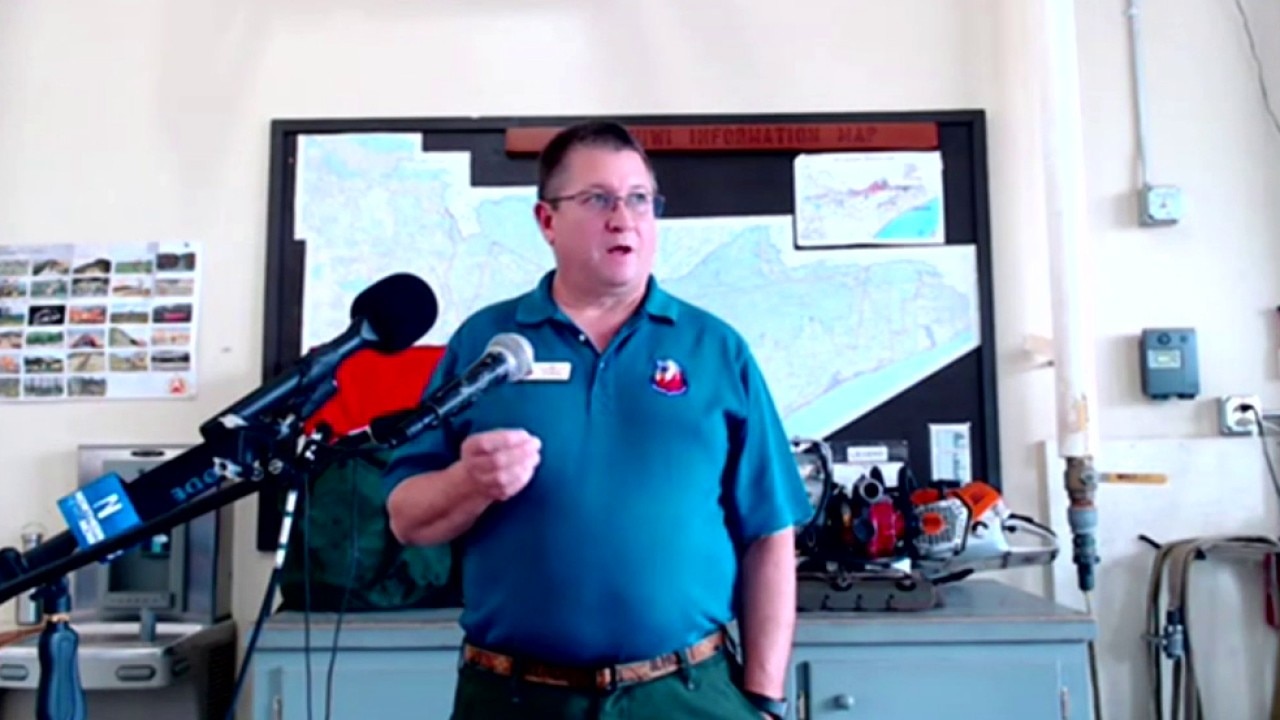
MN wildfires: 'Weather started this, weather can end this'
State officials are addressing what it would take for the wildfires in northern Minnesota to end, pointing out that it will take a significant pattern change in the current weather.
ELY, Minn. (FOX 9) - A Minnesota incident meteorologist is warning Minnesotans not to let their guard down as wildfires continue to threaten the northern part of the state, despite a recent burst of rain granting a temporary reprieve.
How weather drove the wildfires
What they're saying:
Phillip Manuel, incident meteorologist for the team, explained that a lack of rain since early July, combined with hot, dry, and windy conditions, created perfect circumstances for wildfires to start and spread.
"It dictated the start of these fires. It dictates how we suppress these fires and how the team reacts and manages what's on the ground out there," said Manuel.
Manuel said lightning strikes hit northern Minnesota and the boundary waters area around July 6, sparking fires that quickly grew as weather conditions worsened.
Some fires spread as much as five to seven miles in a single day, especially when wind directions shifted, making them even harder to control.
A brief rainstorm brought some relief, dropping about a half inch to an inch of rain in a short period. But Manuel cautioned that quick downpours do not soak into the ground and only create a "temporary pause" in fire activity.
Manuel warned that as soon as the sun returns, the landscape will dry out and fires will likely pick up again. He urged residents not to be fooled by clearer air, saying, "Don't let your guard down because the outlook in the weather forecast, if you're paying attention, temperatures going back up this weekend, winds going to pick back up this week and we're going to be right back at it with these fires moving on the landscape."
Fires could last ‘all summer’
What's next:
Manuel pointed out that the recent storms brought not only rain but also new lightning strikes, which could have started additional fires that have not yet been detected. "There's new points of ignition. Those lightning strikes, some of them most likely hit something that was dead and down, and it's in there smoking around just like a cigarette. And we don't know about it," said Manuel.
Officials add that the only real end to the fire season will come with a major weather pattern change, ideally bringing long-lasting rain or even the first snow of the season. Until then, he said, "We're gonna be dealing with these all summer. We need a weather pattern change and most likely that comes with our first snow."
The Source: This story uses information shared during a news conference hosted by the Minnesota Incident Command System.