

What failed at Minnesota Capitol: IVF coverage, gun safety, autonomous vehicle bills
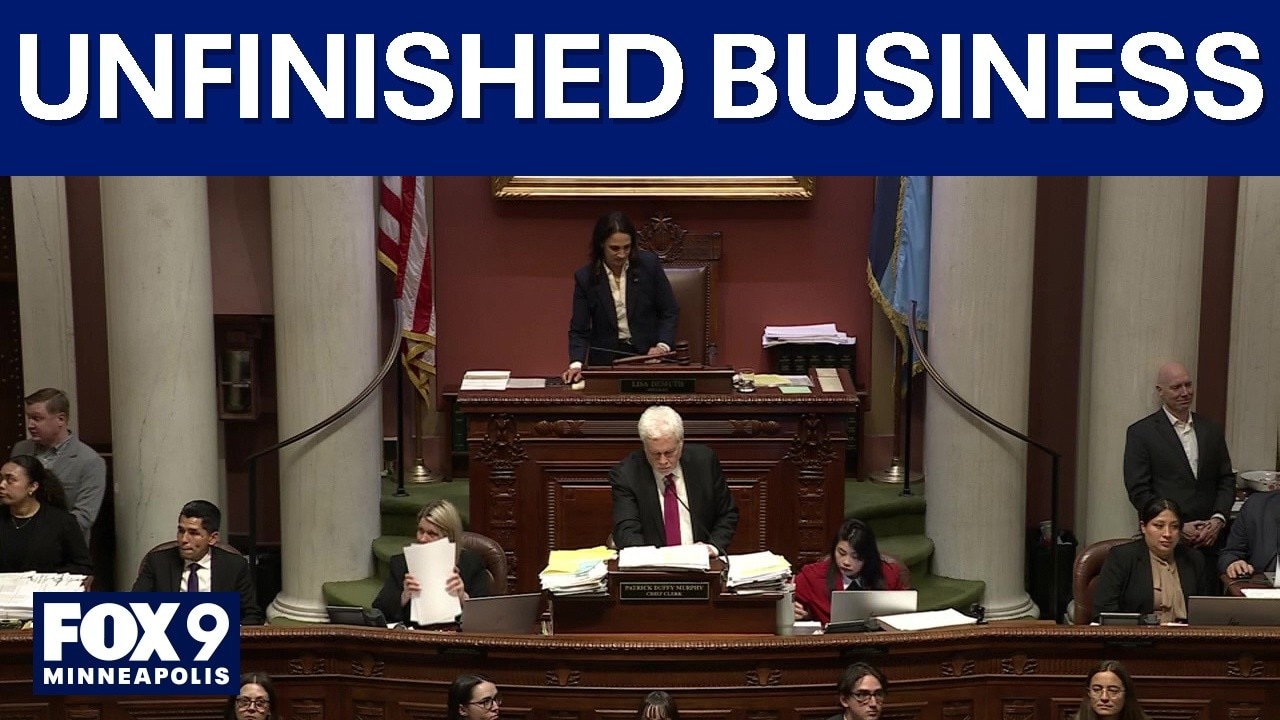
Minnesota politics: What didn’t get finished?
Minnesota lawmakers ended the session with several high-profile proposals left unresolved, including issues such as gun safety, school security funding, car tab fees and infrastructure deals.
ST. PAUL, Minn. (FOX 9) - Lawmakers wrapped up a busy session at the state capitol, but some of the biggest debates are far from over.
Gun safety, school security and other major proposals stall
What we know:
Parents and students from Annunciation visited the capitol early in the session to push for gun safety changes after a shooting at their school.
"No one should have to go through what we went through at Annunciation," said Lydia Kaiser, a survivor of the mass shooting, during a February committee hearing.
Despite their efforts, proposals to ban assault weapons, high-capacity magazines, ghost guns and binary triggers failed to pass.
"There being ten ayes and ten nays, the motion does not prevail," lawmakers announced after a key vote.
House DFL Leader Zack Stephenson said, "Outside of this building, no one thinks that you need a 100-round magazine to go deer hunting. People understand that that's a reasonable thing to restrict, but here it is highly controversial, which is astounding."
Republican Speaker of the House Lisa Demuth pointed out that these gun safety bills failed on party-line votes both in committee and on the House floor. She also noted that Democrats blocked some security funding for private schools.
"We had some schools that wanted the ability to have dollars available for facilities. So that when you think of a school that maybe doesn't have an intercom at the front door a camera or something like that," said Demuth.
Lawmakers also debated help for families and businesses impacted by Operation Metro Surge, and Republicans pushed for authorizing and regulating autonomous vehicles and lower car tab fees.
"We wanted to go back to what the car tab fees were before the Democrat trifecta," said Rep. Harry Niska.
Other proposals, like term limits for the governor and lieutenant governor, and a bipartisan ban on the herbicide paraquat — which research connects to an increased risk of Parkinson’s disease — did not make it through the session.
"Same thing happened with [the] manufactured housing [bill of rights]," said Stephenson.
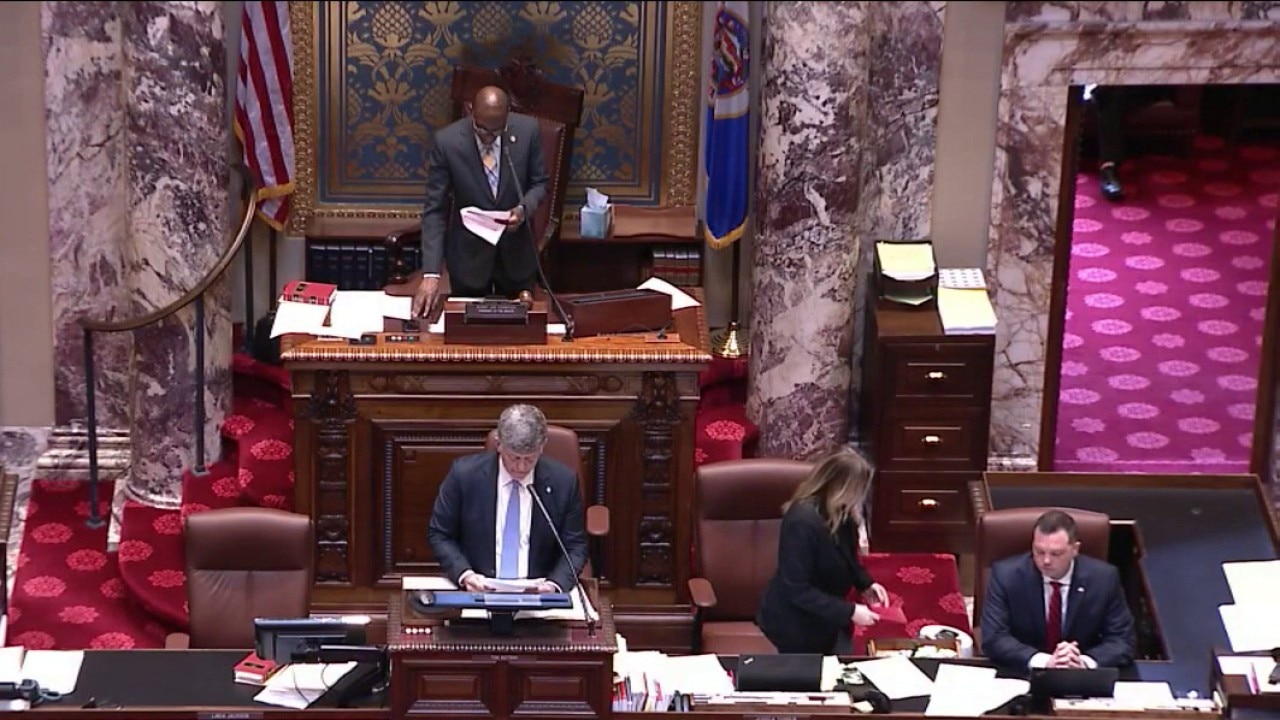
Minnesota 2026 legislative session ends: Recap
The 2026 Minnesota legislative session is wrapping up, with lawmakers finalizing their work at the State Capitol. FOX 9’s Kelly O’Connell has the latest on what bills passed, and what didn’t make it over the finish line.
What missed the cut
Dig deeper:
Just before midnight Sunday, lawmakers approved a $1.2 billion capital investment deal to fund infrastructure projects statewide.
However, $5.8 billion in projects were left out, including a plan to create Dodge County’s first lake by converting a quarry.
Miraya Gran, who has spent five years at the capitol working to require insurance coverage for in vitro fertilization, saw her proposal fall short again.
"It's extremely deflating," said Gran.
Even with no cost to the state and a religious exemption, the bill did not pass.
"So it means that families are going to miss out," Gran said.
Other issues left unresolved include transparency around local government deals with data centers, and proposed taxes on social media and artificial intelligence companies.
"We need to make some changes to shift the burden onto these huge companies, the most profitable, largest companies that have ever existed in the history of the world," said Stephenson.
Many of these proposals are expected to come back before lawmakers when the new legislature meets in January.
Local perspective:
The session highlighted deep divides between parties on gun safety, school security and how to fund state projects.
Both sides blocked each other’s priorities, leaving some community needs unmet and many Minnesotans waiting for action.
The ongoing debates reflect the challenges lawmakers face in finding common ground on issues that impact families, businesses and local governments across the state.