

Undercover DHS agents surveilled activists, labor unions during Operation Metro Surge
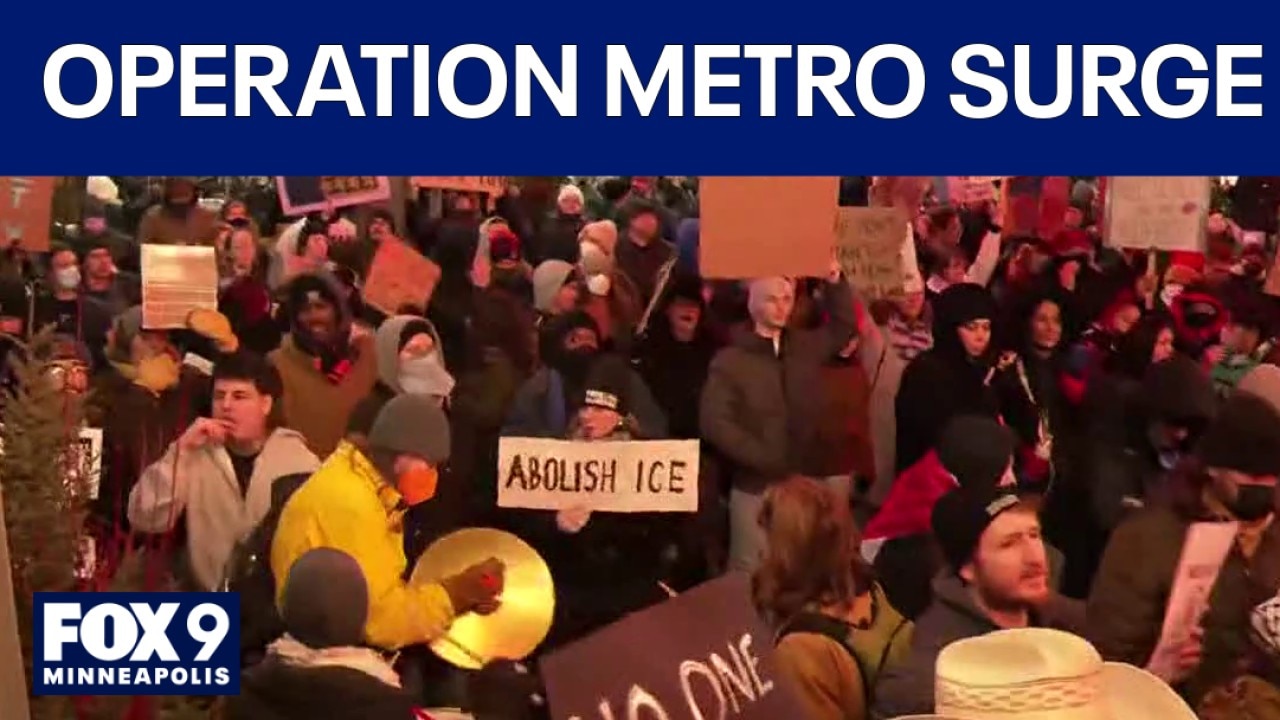
Undercover DHS agents infiltrated anti-ICE meetings, labor unions during Operation Metro Surge
New court filings are raising questions about the extent of federal surveillance on Minnesotans who protested against Immigration and Customs Enforcement during Operation Metro Surge. FOX 9's Emily Pofahl has the story.
MINNEAPOLIS (FOX 9) - New court filings are raising questions about the extent of federal surveillance on Minnesotans who protested against Immigration and Customs Enforcement during Operation Metro Surge.
Federal investigation targeted activists and labor unions
What we know:
Court documents filed Thursday show undercover federal agents conducted surveillance on churches, labor unions and activists organizing and attending anti-ICE protests. The motion, filed by Attorney Kevin Riach, includes Department of Homeland Security reports on investigations called "Operation Puppet Master" and "Project Whipple Shield."
Riach is representing Isaac Sant, one of the 15 people federally indicted and accused of conspiracy to impede or injure federal officers. They’ve all pleaded not guilty. The reports made public Thursday were part of a discovery filing in Sant’s case.
The stated goal of these operations, according to the DHS reports, was to crack down on "violent opportunists" who they say used protests as cover to try to breach federal properties and assault federal officers. Riach instead argues that DHS "embarked on an improper investigation of First Amendment protected activity without any suggestion that the investigation’s targets had committed any crime."
In one late December case described in the documents, an undercover agent attended a meeting at a Minneapolis public library and learned of a planned "noise demonstration" outside a hotel believed to be housing out-of-town ICE agents. The agent tipped off Homeland Security Investigators (HSI), and later joined a Signal chat used by citizens tracking ICE’s movements.
The filings also detail undercover agents wearing wires, secretly recording meetings, and using artificial intelligence to search for protestor photos online. At one anti-ICE meeting in Roseville, agents recorded license plates of vehicles outside, then ran the plate numbers and collected information to create dossiers of those in attendance.
The court documents include what appears to be a powerpoint slide titled "The Conspiracy." On it is a web of labor unions and activist organizations federal investigators believed were connected to Direct Action Minnesota, a group at the center of the indictment.
Union response and calls for transparency
What they're saying:
"We were exercising our First Amendment rights, we were doing mutual aid," said Bethany Winkels, secretary treasurer of the Minnesota AFL-CIO.
The Minnesota chapter of AFL-CIO, the largest union in the state, is one of the groups listed in "the conspiracy."
"The Minnesota AFL-CIO and several of our affiliated unions are being targeted simply because our state’s Labor Movement stood in solidarity with our immigrant union members and neighbors when our state was under siege this past winter," the union said in a statement.
Winkels said surveillance was not a big concern for the union at the time, but that has changed.
"It shouldn't be happening in America, it shouldn't be happening in Minnesota," Winkels said.
When asked if she had any idea how deep the surveillance went, Winkels said, "I don't, and I wouldn't pretend to know, but I believe that we need to get to the bottom of that."
Attorney Riach is now asking the court to require the federal government to release all reports related to these undercover investigations.
The other side:
A DHS spokesperson said, "HSI does not comment on the existence or status of specific on-going investigations, nor on investigative methods."