

MN DOC: 57% fewer Minnesotans leaving prison and becoming homeless since 2021
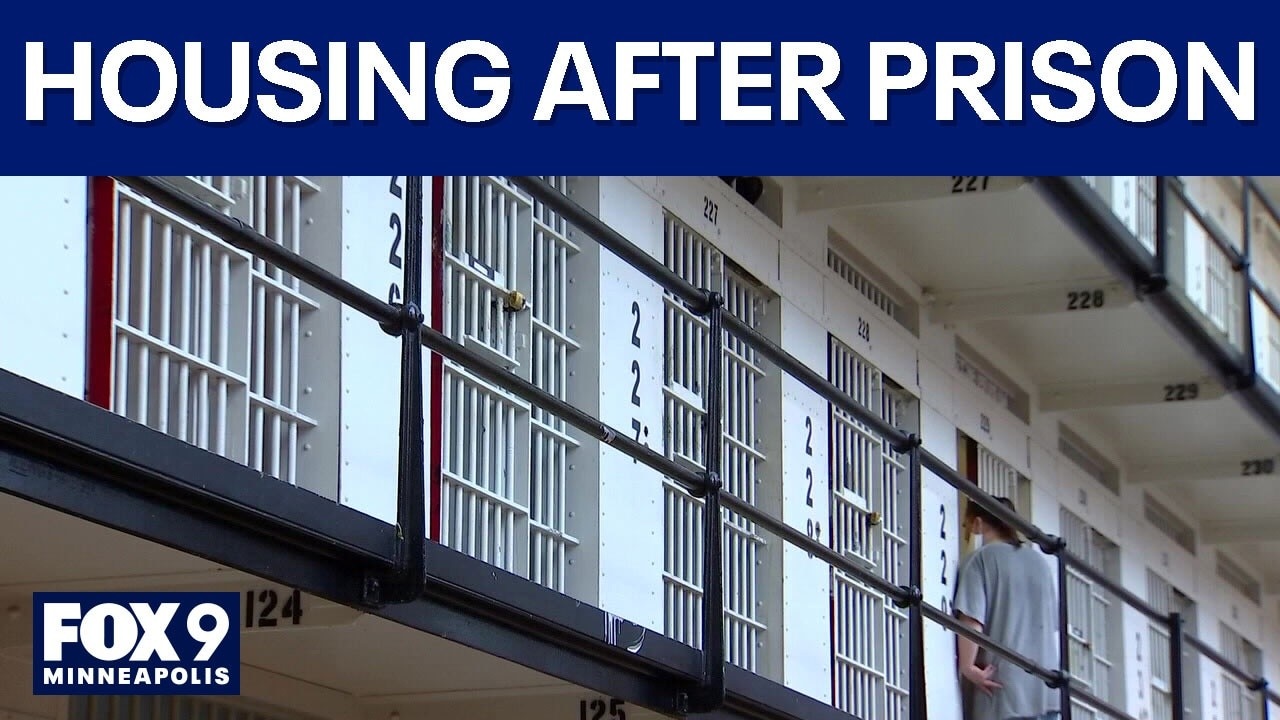
Minnesota program cuts homelessness after prison
A Minnesota Department of Corrections program is helping former inmates find housing as they leave prison.
ST. PAUL, Minn. (FOX 9) - As St. Paul leaders struggle to clear the city’s homeless encampments before winter, one state program working to prevent homelessness in the first place is seeing progress.
Clearing the camps
The backstory:
St. Paul launched a coordinated effort with Ramsey County and local service providers to address health and safety concerns at homeless encampments across the city.
The first in a series of encampment closures took place at Pig's Eye Park on Aug. 5, and St. Paul Mayor Kaohly Her has said two additional sites will close in the coming months. The decision followed a review by multiple city departments, citing concerns about the health, safety and dignity of people staying at the camps.
St. Paul Police and Fire Departments reported more than 800 calls for service to the camps since July of last year. The city estimates around 200 people currently live in the encampments set to be cleared.
Local perspective:
City and county officials say they are working to reduce barriers to shelter, including extending check-in times to 10 p.m., offering temporary storage for belongings, helping people replace identification documents and assisting with resolving warrants.
Outreach workers connected to people in the encampments have said people with criminal records have a harder time getting stable housing.
Minnesota program cuts post-prison homelessness
Minnesota's Department of Corrections reports 57% fewer people are leaving prison and becoming homeless in 2025. The state has provided $500,000 annually for homelessness prevention since 2021, with former inmates moving into options including halfway homes, sober houses and apartments.
A program working upstream
What we know:
In 2021, the state began sending $500,000 per year to the Department of Corrections for homeless prevention. Since then, 57% fewer Minnesotans are leaving prison and becoming homeless according to an annual report from the DOC provided to the legislature. Jennifer Abbas, who leads the program, says the DOC housed around 800 formerly incarcerated people last year.
"We're hearing a lot of those people have criminal records. That's why they're there," said Abbas, referring to those living in the encampments.
The program helped Chuka Dike, who was released from prison in June after serving 16 months. At 18, a court convicted him of domestic assault. He did not go to prison at that time, but he later served time in 2025 after police caught him with a gun he was not supposed to have.
"I’m sorry for it," Dike said. "But you live and you learn. You know, you’re a juvenile. Your mind is not where it’s supposed to be."
When he got out, he had no money and no place to go.
"I definitely would've been outside," said Dike.
With help from the DOC, which paid his first month's rent, Dike got into the No Luck Club, a halfway house in St. Paul.
"It's not too shabby. It's not a mansion but, you know," said Dike.
What they're saying:
Mario McCall, founder of the No Luck Club said the goal is clear from the start. "Our goal is by the end of the first month that we have the guy on the track to be employed," said McCall.
No Luck Club runs two sober homes in St. Paul, and houses about 15 men. McCall said house rules include maintaining sobriety, regular check-ins with parole or probation officers, substance abuse recovery meetings, and house meetings.
Collin Riley, who also founded the No Luck Club, said the program fills a gap that most people with records can't bridge on their own. "You got a criminal background, you don't have credit, you don't have rental history," said Riley. "We can provide you stability right out the gate," McCall added.
Abbas said, ultimately, the program makes Minnesota communities safer and reduces recidivism or, the likelihood an incarcerated person will reoffend.
"We know that having a residence… and being able to follow their conditions of release is going to help them stay compliant," said Abbas. "And to have that continued monitoring then keeps the community safe ultimately."
Dike now has a stable job and is saving up for his own place.
"I learned my lesson, now it's time to elevate," he said.
The DOC says there is currently no limit on how many months a formerly incarcerated person can receive state assistance, though officials say anecdotally they pay for one or two months. The DOC does not track how many people using the program reoffend.