

MN air quality alert expanded on Sunday as wildfire smoke pushes further west
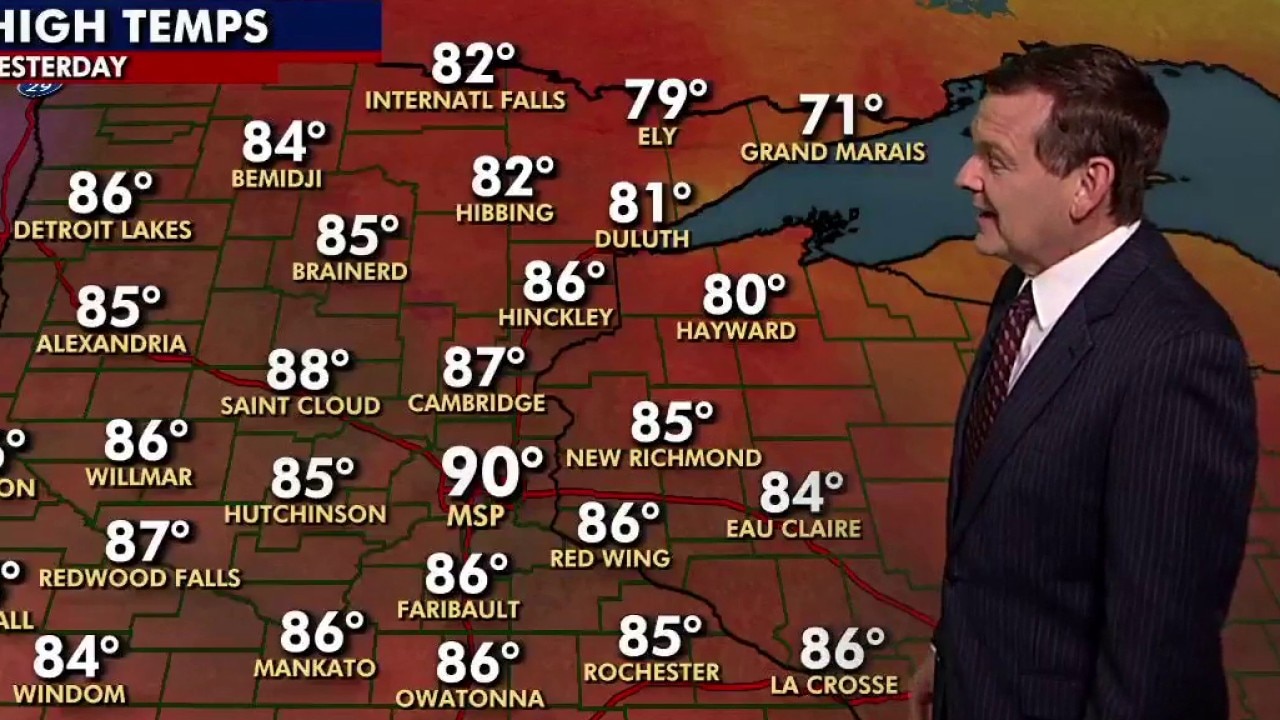
MN weather: Heat continues, storms possible
Another 90-degree day is expected on Sunday for the Twin Cities as a risk for storms is possible.
(FOX 9) - An air quality alert in effect in Minnesota has been expected as wildfire smoke pushes further west, now covering all of the Twin Cities metro.
Air quality alert expanded
What we know:
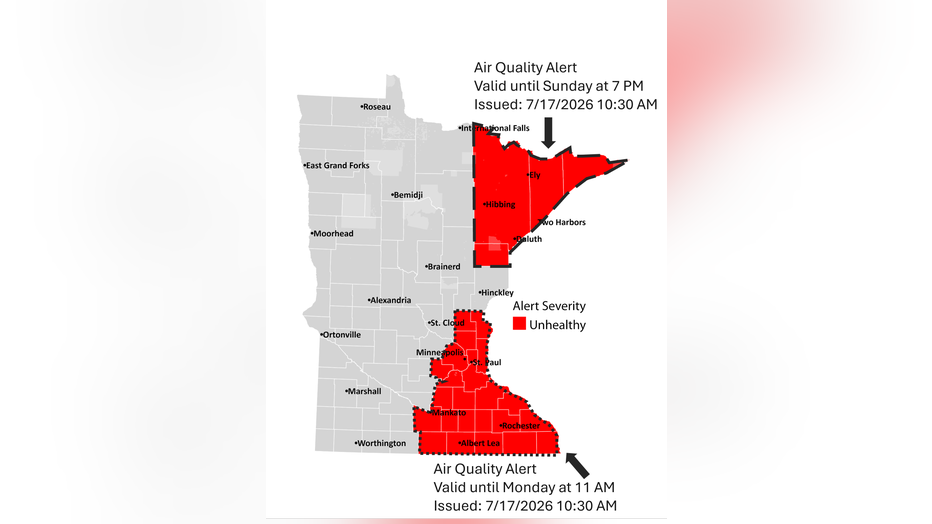
The revised alert took effect starting at 9 a.m. on Sunday covers two zones of eastern Minnesota.
One zone in northeastern Minnesota covers areas including Hibbing, Duluth, Ely, and the Arrowhead region. The other zone stretches from St. Cloud to the southeast corner of the state and covers the Twin Cities metro, Mankato, Rochester, and Albert Lea.
The alert for northeastern Minnesota expires at 7 p.m. on Sunday. The alert for southeastern Minnesota expires at 11 a.m. on Monday.
(FOX 9)
What's next:
Officials say conditions could improve slightly during the day on Sunday in the metro, more smoke is expected to move in during the evening hours. The smoke won't relent until winds begin to shift Monday morning.
In northern Minnesota, they will see relief a little sooner as southwestern winds begin to clear smoke during the afternoon on Sunday, improving air quality for many during the afternoon hours.
MN wildfires: Expert explains what led up to fires
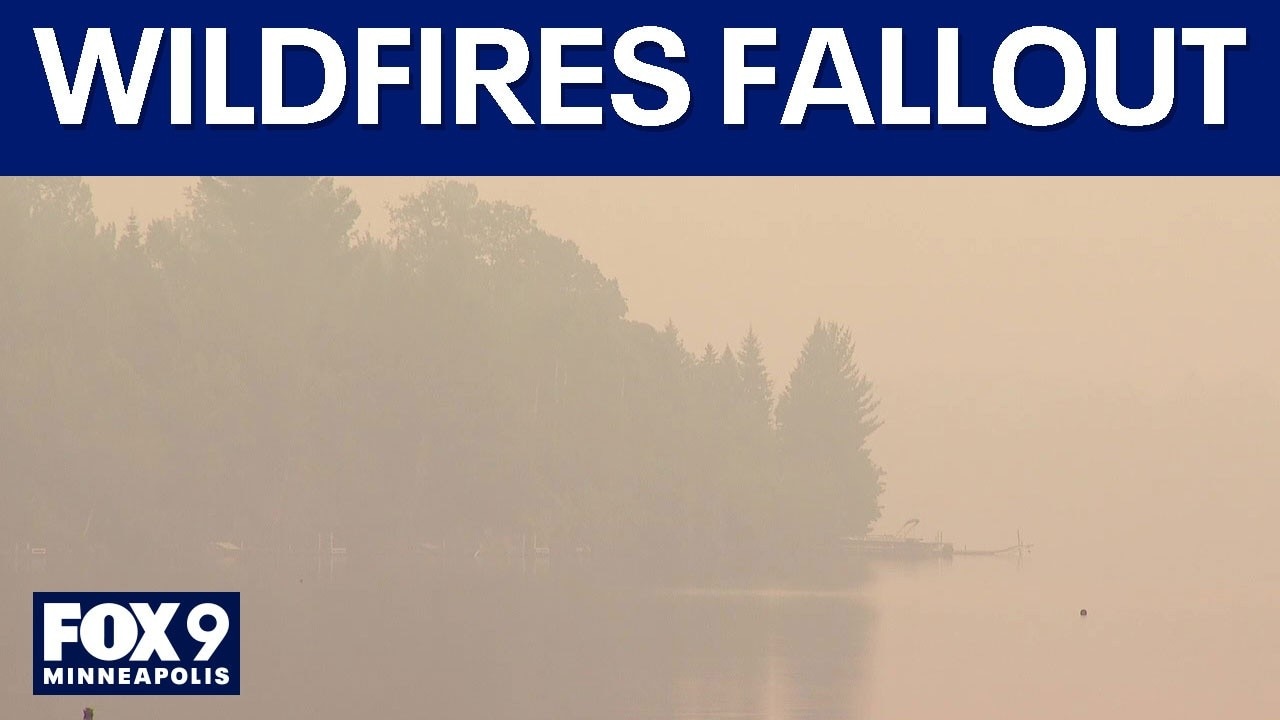
Smoke from wildfires in the Boundary Waters and Ontario is impacting air quality and businesses across northern Minnesota. Sam Reed, the climate and conservation manager for Friends of the Boundary Waters, joins the news to discuss how a recent flash drought has contributed to these unusually intense mid-summer fires.
Unhealthy air levels
Big picture view:
Air quality levels in the alert areas are expected to reach "red" levels or unhealthy. That means the air is unhealthy for everyone and anyone can begin to notice the effects, like irritated eyes, nose, and throat, coughing, chest tightness, or shortness of breath. Sensitive groups or more exposed individuals may experience more serious effects, including the worsening of existing heart or lung disease, and respiratory and cardiovascular conditions.
What you can do:
Officials recommend you reduce your time outside, take more breaks when outside, and avoid any intense activities to reduce exposure.