

Minnesota wildfires: Superior National Forest working to reopen parts of BWCA
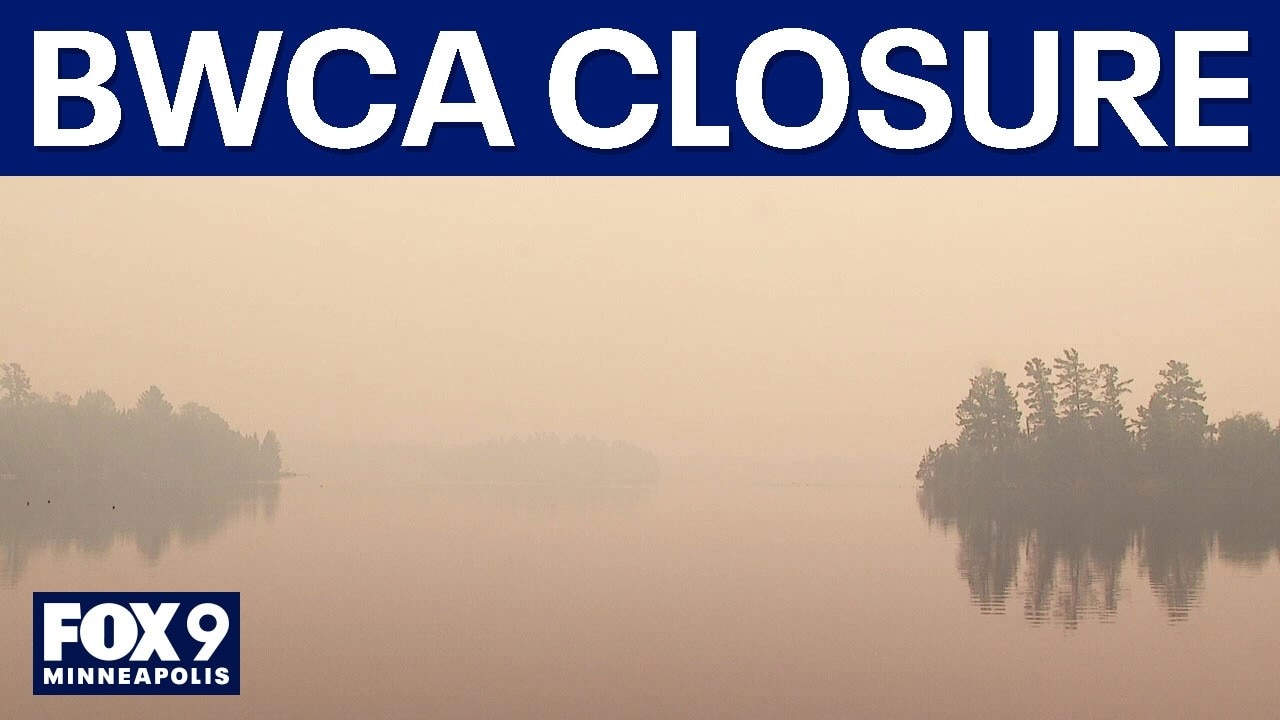
Superior National Forest working to reopen parts of BWCA
Superior National Forest Supervisor Tom Hall said he was working outlined the status of the Boundary Waters Canoe Area closure and plans to reopen parts of the BWCA amid the wildfires fight.
ELY, Minn. (FOX 9) - Superior National Forest officials say they are working to reopen parts of the Boundary Waters Canoe Area as the closure remains in place due to the wildfires burning in northern Minnesota.
Boundary Waters reopening?
Big picture view:
Superior National Forest Supervisor Tom Hall says permits have been canceled through Friday, but they are working on a plan to reduce the closure order in the Boundary Waters Canoe Area Wilderness.
"We are working on a plan at the forest level, to reduce that closure," said Hall. "At this point, we don't have it so that we can release. But we are coordinating with our partner agencies, specifically thinking about what are those other types of resources that are needed, to make that [a] successful place to be open to the public. So thinking of search and rescue, that's probably one of those key pieces, given that burden that is on the three counties sheriff's offices at this point and the amount of work that they're putting into closures and evacuations."
Hall says staff have been thinking about which parts and corridors would be best to open up. Hall also explained that while the closure order is technically in effect through October, that doesn't mean the BWCA will be closed until October.
"All forest orders have an expiration date as we sign them," said Hall. "And so that is set at October 1st. We have been canceling permits on a rolling basis, knowing that there may be an opportunity to reduce, or end that closure at an earlier date… As we reduce that closure, those areas that are still underneath that closure would still have an expiration date of October 1st. Any place that is lifted, those places would then be open."
9 wildfires now fully contained, 7 still burning
What we know:
Firefighters are making progress against several large wildfires burning across northern Minnesota as authorities work to increase containment and reduce smoke pollution that has affected air quality.
Cooler temperatures and recent rain have helped more than 700 firefighters as they battle more than a dozen wildfires across thousands of acres in northern Minnesota.
Crews have reportedly made noticeable progress in recent days on fires that have spread over large areas between Lake Superior, International Falls and Hibbing.
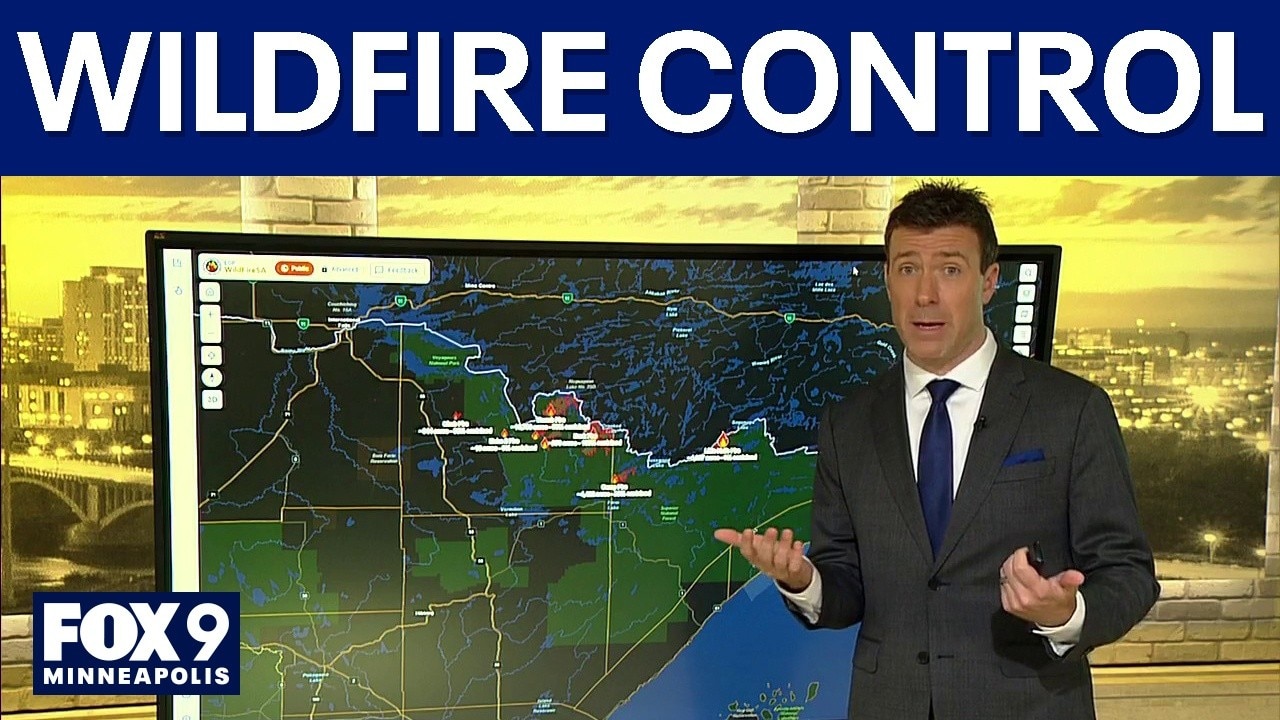
Crews continue battling northern MN wildfires
More than a dozen wildfires are currently burning in the northern regions of Minnesota, spreading across thousands of acres burned so far. FOX 9’s Cody Matz provides a breakdown on the continuing efforts to control the blazes.
Dig deeper:
A recent update by St. Louis County Sheriff Gordon Ramsay says the Thumb fire is now 58% contained after having burned a little more than 17,000 acres to date, while the Bear Trap fire has burned nearly 38,000 acres and is about 34% contained currently.
The Chub fire has also jumped to 85% containment after becoming one of the first fires to have containment progress made.
The Sioux fire has so far burned approximately 12,354 acres and remains 17% contained, while the Camp fire has burned approximately 4,402 acres and remains 23% contained.
Despite gains on some fronts, the Little Knife fire is still 0% contained and has burned roughly 4,598 acres as of Wednesday, a reduction in estimates after most recent mapping.
Authorities say that of the 16 wildfires that were once active, nine of them have since been contained 100%. As of Monday, only three were reportedly completely under control.
The combined affected acreage overall is 63,594 acres in the U.S., and an additional 8,412 acres in Canada, authorities said during an update on Wednesday.
Superior National Forest and Minnesota DNR burning restrictions will remain in place for the time being, authorities said on Wednesday.
Officials say they are working to reduce closures throughout the BWCAW, but portions will remain closed as crews continue to assess damage impacts and safety concerns.
What they're saying:
"All in all, we're feeling pretty good about where we're at, but still have a ways to go," said Jason Loomis, US Forest Service Incident Commander, on Wednesday.
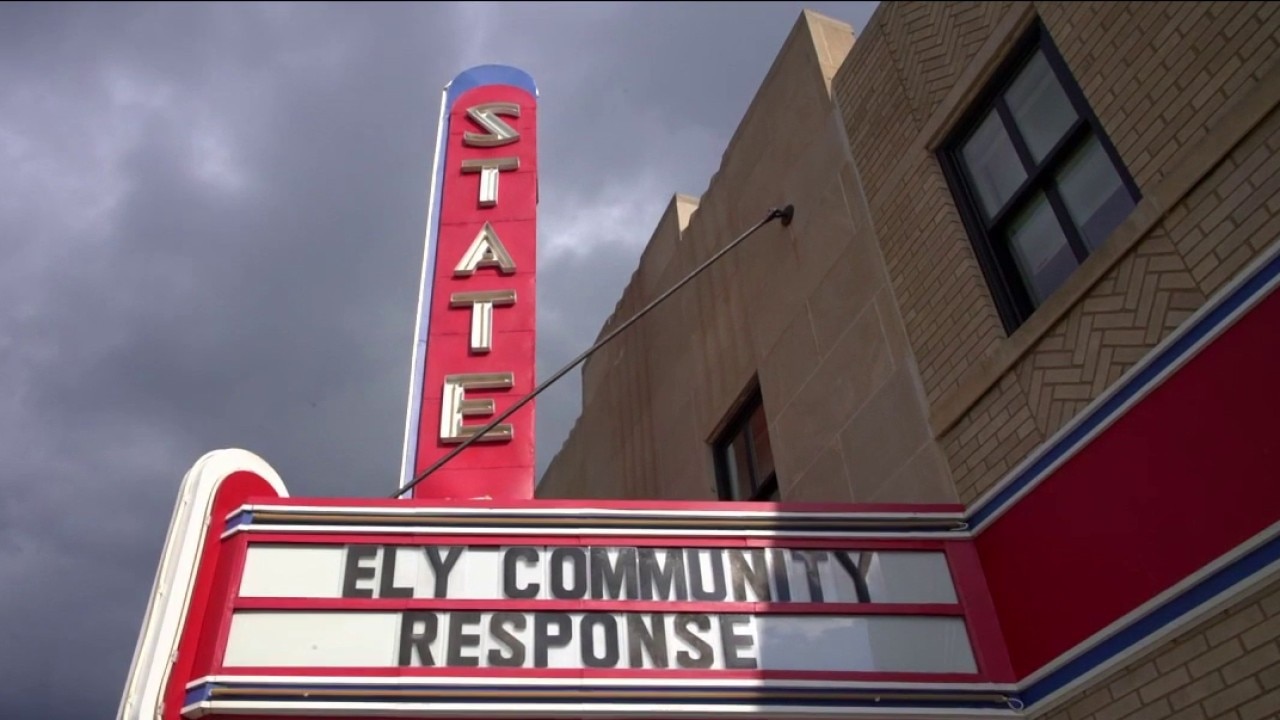
Ely community helping those in need during wildfires
The Ely community is coming together to help those in need during the major wildfires in the area. FOX 9's Soyoung Kim has the latest.
What is wildfire "containment"?
Why you should care:
The U.S. Forest Service—Superior National Forest explains that having a fire line built around a wildfire doesn’t automatically mean the fire is "contained."
As part of their efforts, crews will use existing roads, trails, rock outcrops, streams, rivers, and lakes as natural barriers as firefighters also put in a huge amount of work to clear brush, limb trees, and remove any heat sources in an attempt to make sure fire doesn’t spread.
However, the department says that some areas have fuels burning deep underground, which makes containment more challenging, increasing both the time and effort needed before the line can truly be considered "contained."
Containment percentage goes up as crews secure sections of fire line, and fire managers are confident those areas will hold.
But sometimes the containment percentage can go down if secured lines have failed, increasing the total amount of line that still needs to be contained.
When a section is declared "contained," it means firefighters and engines can safely shift their focus to other areas of the fire, working to bring those sections to containment as well.
There’s also a difference between a fire being "contained" and fully extinguished.
A fire can reach 100% containment, but being officially declared "out" takes much longer, and can often require significant rain or snow.
Even after a fire is fully contained, local crews will continue to monitor the area to make sure any visible smoke coming from interior pockets of unburned fuel is no longer threatening containment lines.
By the time a fire is finally considered controlled or out, most people hardly notice, and the area has seemingly returned to normal, according to officials.
What's next:
Authorities hope that a stretch of continued cool, dry weather ahead will help firefighters get the upper hand on the remaining wildfires in the northern regions of the state.
Meanwhile, many communities are banding together to gather supplies for those who have been adversely affected.
The Source: Information provided by St. Louis County Sheriff Gordon Ramsay, FOX 9 meteorologists and previous reporting.