

Prediction markets ban passes MN Senate: Trump administration has sued other states
Prediction markets ban passes Minnesota Senate
Lawmakers at the Capitol are moving to ban prediction markets that critics say are just gambling in disguise. Senators voted 56-10 to ban the parts of prediction markets that operate similar to betting. The bill also received bipartisan support in the House. FOX 9's Corin Hoggard has the story.
ST. PAUL, Minn. (FOX 9) - Lawmakers at the Capitol are moving to ban prediction markets that critics say are just gambling in disguise.
Senate votes to ban betting-style prediction markets
What we know:
Senators voted 56-10 to ban the parts of prediction markets that operate similar to betting. The bill also received bipartisan support in the House.
However, House GOP leadership has tried to keep the measure from coming to a vote, so the outcome is still up in the air.
Some MN lawmakers look to ban prediction markets
Minnesota lawmakers are taking steps toward banning prediction markets in the state, but some GOP officials are pushing back. FOX 9's Corin Hoggard has the details.
"I'm concerned because the addictive nature of gambling and how many people are going to be doing it," Sen. John Marty said on Thursday. Marty has opposed almost every expansion of gambling, especially on mobile devices.
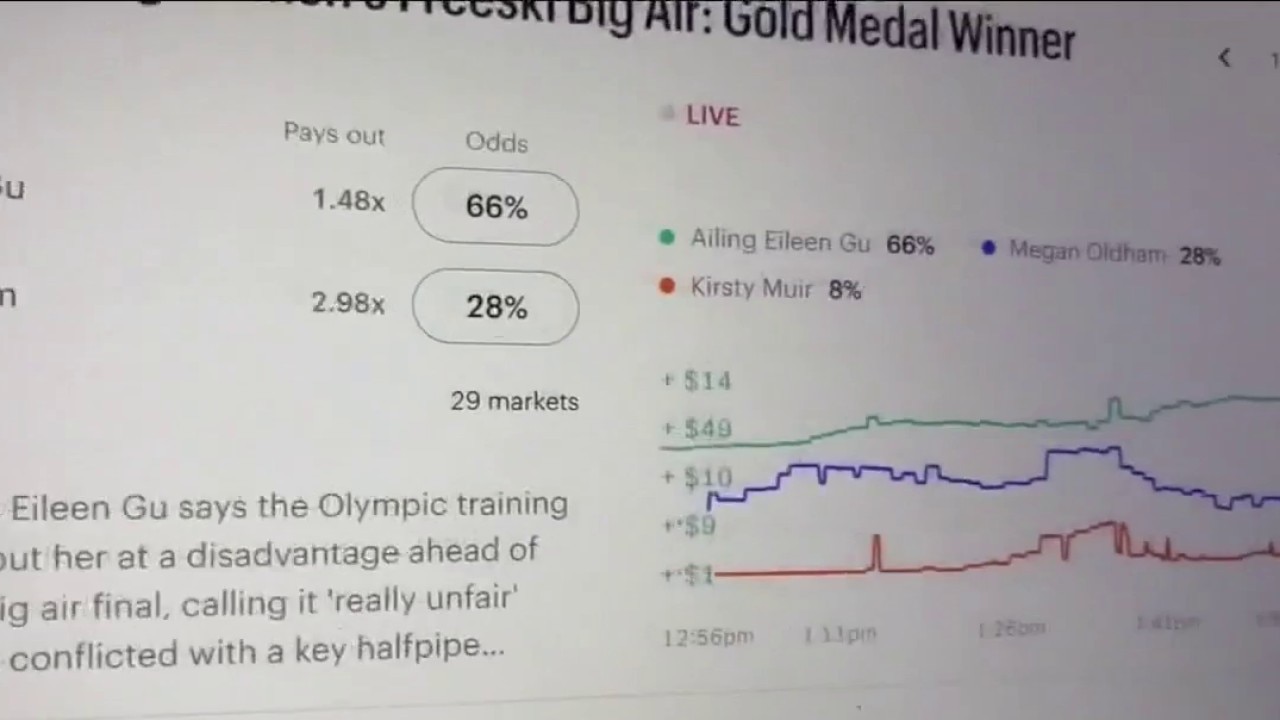
Prediction markets like Polymarket and Kalshi allow people to bet on outcomes for money, including everything from sports plays to political decisions. While these sites sometimes advertise themselves as legal betting platforms, they fight against being regulated as gambling.
Senate Minority Leader Johnson pointed out that the Trump administration has sued states that tried to ban these markets, arguing that states cannot overrule federal law.
"They're going to be coming to Minnesota soon," Sen. Johnson said. "It's almost a guarantee every state that's passed this so far has dealt with a lawsuit."
Even most Senate Republicans agree that the law is a gray area and that closing loopholes is urgent.
"We are seeing the rapid expansion of these prediction markets, we are seeing an expansion of corruption that follows," Sen. Jordan Rasmusson said.
Why you should care:
The House moved the ban forward by attaching it as an amendment to a public safety bill after GOP leaders argued it came after the deadline.
"I think it's still very much alive. At the capitol, things seem to stay alive for a long time and this is one that there seems to be so much bipartisan support for," Sen. John Marty said.
The Senate also overwhelmingly passed a ban on online sweepstakes that resemble slot machines.
Prediction markets have faced legal battles in other states, with the Trump administration filing five lawsuits in April alone against states that attempted to ban them. The issue has drawn attention from both parties in Minnesota, with concerns about addiction and legal loopholes.
The Senate's separate vote to ban online sweepstakes that look like slot machines highlights a broader push to address gambling concerns in Minnesota.
What's next:
Lawmakers say the rapid growth of prediction markets could lead to more gambling addiction and corruption. The debate centers on whether these markets are a form of gambling and how they should be regulated.
The next steps for the ban are complicated, but supporters believe the odds of the measure becoming law are strong after Thursday's votes.