

Minneapolis stadium deal could save millions in taxes, boost Chaska
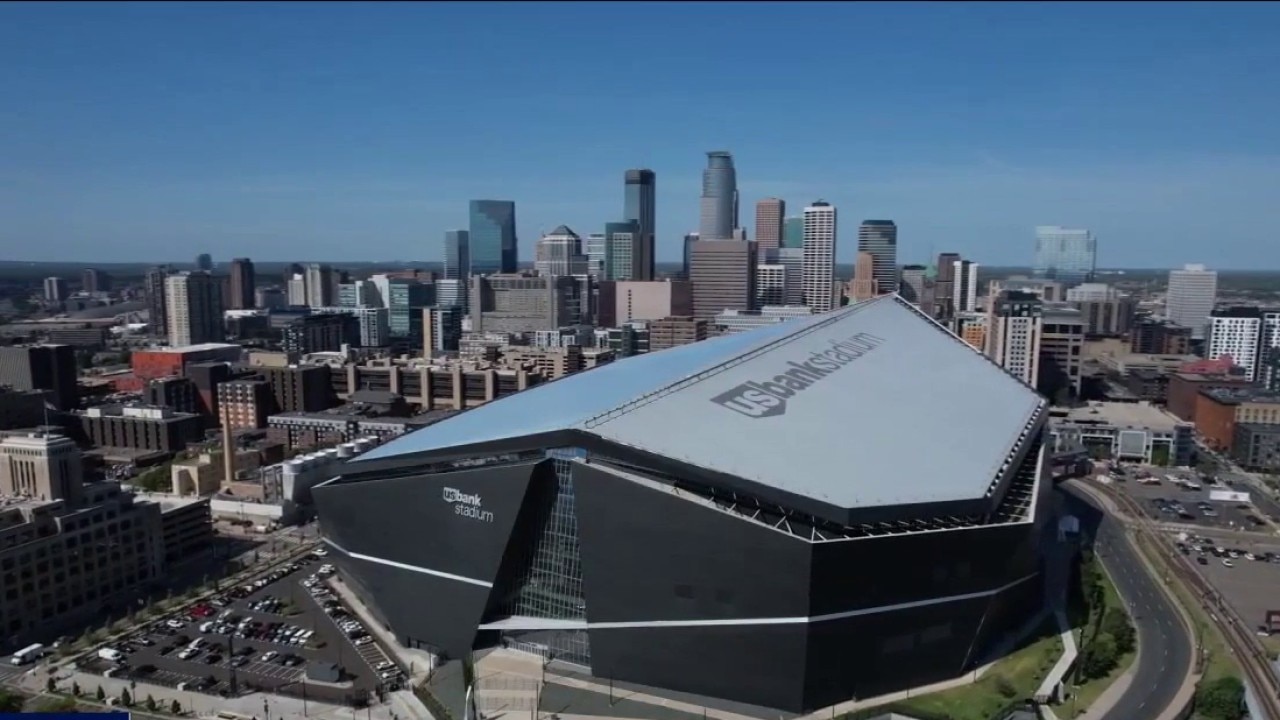
Proposed bills would change funding for Minnesota's sports stadiums
Minnesota’s top sports venues could see big changes as state lawmakers weigh new investments and funding plans. FOX 9's Corin Hoggard has the story.
ST. PAUL, Minn. (FOX 9) - Minnesota’s top sports venues could see big changes as state lawmakers weigh new investments and funding plans.
Legislature considers expanded taxes, stadium funding shifts
What we know:
Lawmakers are looking at a bill that would expand the downtown Minneapolis taxing district, adding extra liquor and restaurant taxes to the North Loop neighborhood. This move would bring more businesses under the downtown tax, which currently only applies to certain areas.
The city pays into four separate funds connected to U.S. Bank Stadium, including loan repayment to the state, operating expenses and repairs. A Senate bill would let Minneapolis stop paying into the general fund for the state’s stadium authority, allowing the city to save about $2 million a year but still pay roughly $30 million annually for the stadium over the next 20 years.
It’s partly prompted by declining commercial property values. If the city can’t make up for a 20% drop in commercial property tax revenue, homeowners could end up paying more.
"If the city of Minneapolis is not able to find a way to cover that 20% decrease in commercial property (value), then that means that money will now be the requirement of property tax holders," said Sen. Bobby Joe Champion, DFL-Minneapolis.
Some city leaders support the expanded tax area.
"We believe expansion of the taxing boundary would bring it more in line with the scope of downtown activity," said Michael Rainville, Minneapolis City Council member.
The city’s current tax boundaries mean that some popular venues are taxed differently, even if they are only a few blocks apart. The proposed changes aim to make the tax system more consistent for downtown businesses.
Any problems?
Sen. Carla Nelson, (R-Rochester) questioned whether the city will eventually ask the state for more money for stadium repairs.
"There's a great deal of profit that is being made at a publicly-owned facility at which the public puts more on an ongoing basis into its upkeep So that might be your answer, Senator Nelson, is the Vikings could maybe put in a little bit more," said Sen. Scott Dibble, DFL-Minneapolis.
Others pointed out the state owns the stadium, not the city.
Local perspective:
Minneapolis leaders and state lawmakers are trying to balance the need for stadium funding with concerns about rising property taxes and the city’s shrinking commercial tax base. The debate also highlights questions about whether sports teams or taxpayers should cover future stadium expenses.
Why you should care: Changes to how stadiums are funded could affect property taxes, city budgets, and the ability to attract major sports events. The outcome could set a precedent for how Minnesota supports its professional sports teams and venues in the years ahead.
Dueling bills to save HCMC would also increase funding for Target Field. (https://www.fox9.com/news/minnesota-lawmakers-proposal-hennepin-healthcare)
Eagle-eyed addition
The bill also includes $7 million in state funds to help Hazeltine golf course in Chaska bring in major PGA events, including two championships and a Ryder Cup. Promoters estimate these events could generate more than $200 million in economic activity for Minnesota.
What we don't know:
It is not yet clear if the bills will pass or how the final funding responsibilities for stadium repairs will be divided between the city, state, and sports teams.
The Source: FOX 9’s Corin Hoggard reported from the Capitol.