

Iran latest: US finalizing deal to end war, reopen Strait of Hormuz
The U.S. is finalizing an agreement to end the war in Iran, but President Trump warned Sunday that the U.S. won't "rush into a deal."
The progress in negotiations capped a week in which the U.S. weighed a new round of attacks on Iran that would break a fragile ceasefire. Twelve weeks have passed since the U.S. and Israel attacked Iran on Feb. 28, killing top Iranian officials including its supreme leader and interrupting nuclear talks between the U.S. and Iran for the second time in less than a year.
Here’s the latest:
Trump says US won't ‘rush into a deal
2 p.m. ET: "The negotiations are proceeding in an orderly and constructive manner, and I have informed my representatives not to rush into a deal," Trump said on Truth Social Sunday. He said the U.S. relationship with Iran is becoming "much more professional and productive."
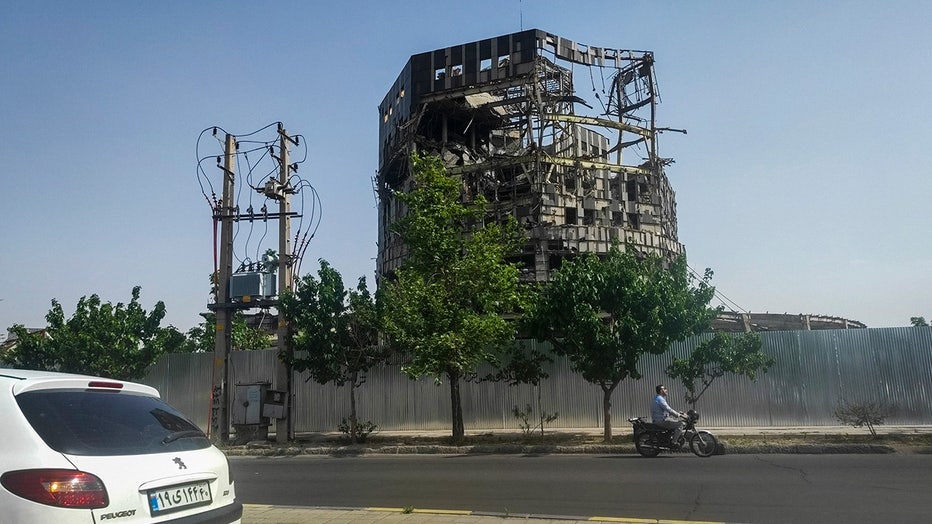
A view of the Iranian Space Research Center in Tehran, Iran, on May 4, 2026. The center was destroyed during a U.S.-Israeli military operation. (Photo by Morteza Nikoubazl/NurPhoto via Getty Images)
Sources told The Associated Press that the agreement will not be signed Sunday.
Trump also said the U.S. blockade on Iranian ports "will remain in full force and effect until an agreement is reached, certified, and signed."
"Significant progress, although not final progress"
8:37 a.m. ET: Secretary of State Marco Rubio cautioned Sunday that "significant progress, although not final progress has been made" in the negotiations.
Rubio said he hoped that there would be good news in the coming hours.
The negotiations have succeeded in one of Trump’s main aims, Rubio said, "that is a world that no longer has to be in fear or worry about an Iranian nuclear weapon."
Trump said on Saturday he had spoken with leaders from Saudi Arabia, the United Arab Emirates, Qatar, Pakistan, Turkey, Egypt, Jordan and Bahrain, and separately with Israel.
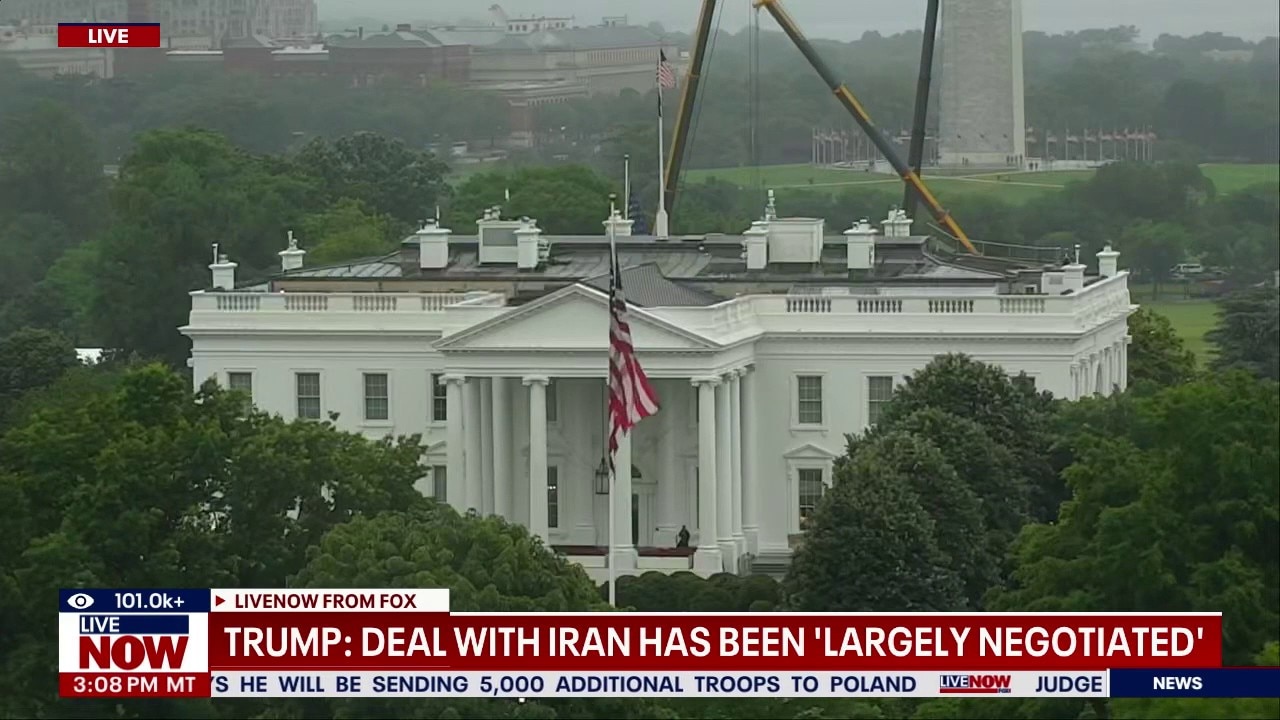
Trump: Iran deal has been 'largely negotiated'
President Trump announced Saturday that a deal with Iran has been "largely negotiated" and details of the proposed agreement would be announced "shortly." Trump said in a social media post that he spoke with several leaders in the Middle East, including Israel's Benjamin Netanyahu. The president also said that the deal would include opening the Strait of Hormuz.
What's in the deal?
8:30 a.m. ET: The potential deal will include Iran’s commitment that it won’t pursue a nuclear weapon, and Tehran agreed to give up its stockpile of highly enriched uranium, according to two regional officials.
One official, with direct knowledge of the negotiations, said how Iran will give up its highly enriched uranium is a subject of further negotiations over the course of a 60-day period.
It’s highly likely that a part of the amount will be diluted, while the rest will be transferred to a third country, potentially Russia, he said.
Iran has 440.9 kilograms (972 pounds) of uranium that is enriched up to 60% purity, a short, technical step from weapons-grade levels of 90%, according to the International Atomic Energy Agency.
The Strait of Hormuz will be gradually open in parallel with the U.S. ending its blockade of Iran’s ports, said the official. The strait’s reopening would begin to ease a worldwide energy crisis sparked by the surprise U.S. and Israeli bombardment, which led Iran to effectively close the waterway. Prices have spiked for oil, gas and several related products, jolting the world economy. Experts say it would take several weeks or even months for shipping and prices to recover once the strait is reopened.
The U.S. will also allow Iran to sell its oil through sanctions waivers, said the second official who has been briefed on the negotiations. Sanctions relief and release of Iran’s frozen funds will be negotiated during the 60-day time frame, he said.
Both officials said the draft deal includes an end of the war between Israel and Hezbollah, as well as a commitment of not interfering in the domestic affairs of countries in the region. The officials spoke on condition of anonymity to discuss closed-door deliberations.
The Source: Information for this article was taken from The Associated Press and Reuters. This story was reported from Orlando.