

Flock cameras and privacy concerns: Where Minnesota communities stand
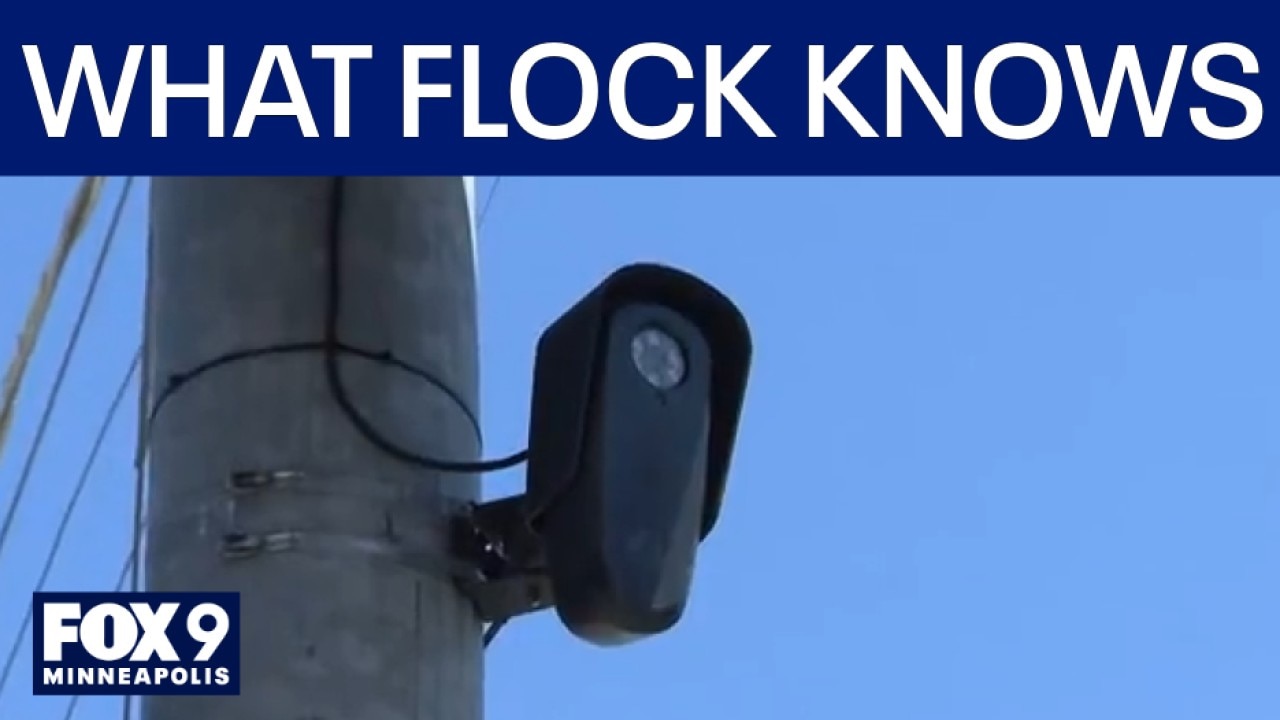
What do Flock cameras actually know about you?
Flock’s surveillance technology now goes well beyond roadside license-plate readers, raising new questions about privacy and access to data. Cybersecurity expert Harry Maugans joins us to explain what these systems can actually capture, who can see the information, and how much your movements can reveal.
(FOX 9) - As Minnesotans continue to debate the use of automated license plate readers (ALPRs) popularized by the brand Flock, the question remains: What do leaders in your community think?
Minnesota Flock concerns
What we know:
Flock Safety cameras and other ALPRs are regulated by state law in Minnesota.
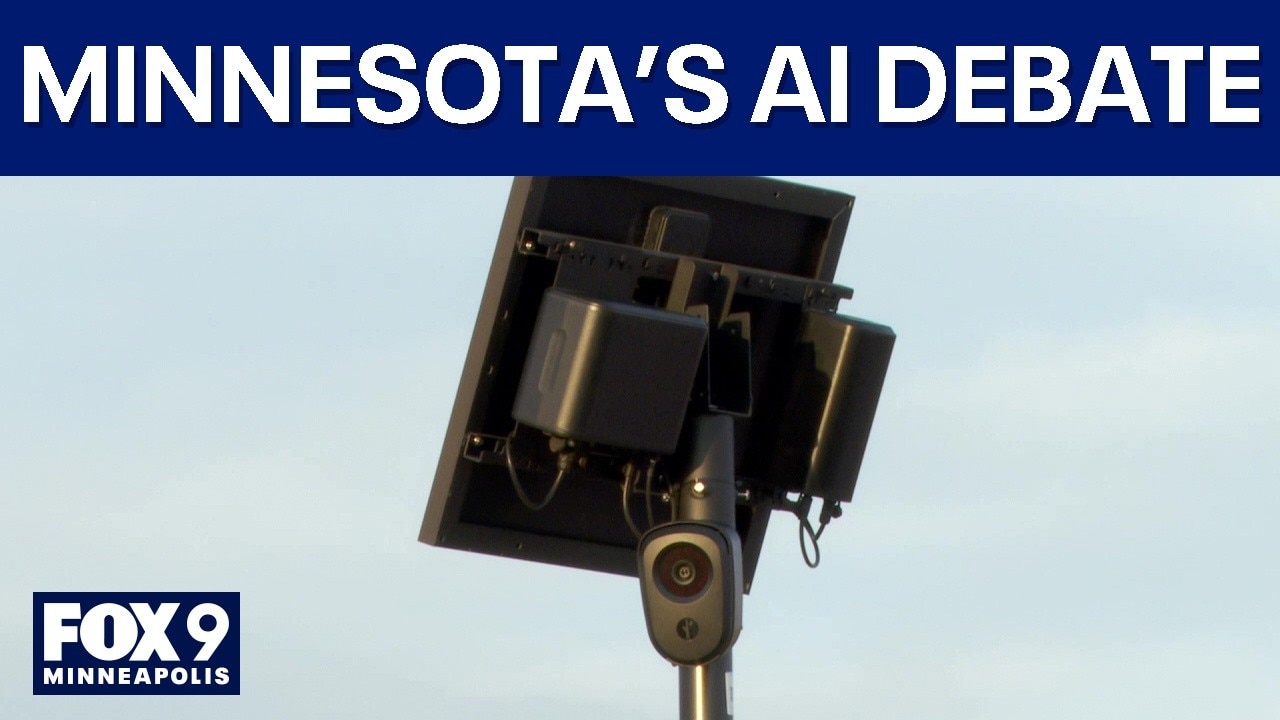
Photos captured by them can potentially include the make, model, color of the vehicle and other aspects of the road, depending on its angle – making it an often-cited valuable tool for law enforcement.
Dig deeper:
Flock offers users the option to create publicly available Flock Transparency portals, as recently as August opting to change its data retention policies.
The company says it will reduce how long it keeps data, cutting the default retention period from 30 days to seven days.
Under Minnesota law, police departments must destroy ALPR data no later than 60 days from the collection date, unless it is tied to an active criminal investigation.
DeFlock Maps, a website that acts as an "open-source, volunteer-powered project for identifying and documenting automated license plate readers" shows dozens of currently active cameras throughout the Twin Cities metro, and hundreds active throughout the state as a whole.
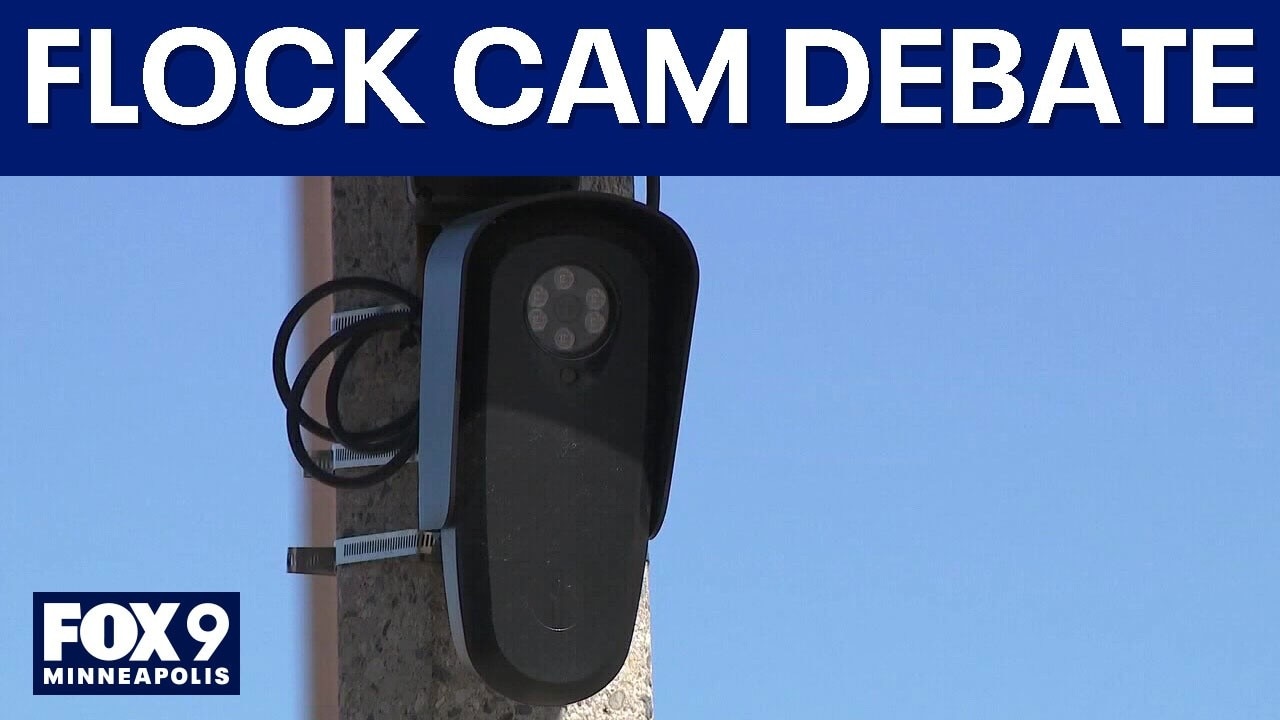
St. Paul weighs future of Flock cameras
St. Paul City Council President Rebecca Noecker is calling for the city and county partners to end their contract with Flock amid concerns about license plate camera data and sharing.
Flock in Minnesota
Local perspective:
Several Minnesota cities have either canceled, paused or opted not to renew their contracts with Flock, while others have removed certain Flock cameras within their boundaries.
Columbia Heights
In June, the Columbia Heights City Council voted to cancel all contracts with Flock Safety and direct staff to immediately disconnect and remove its 12 cameras operating.
At the time, Council members said they were trying to "balance public safety needs with privacy, civil liberties, and trust in the community."
The city had previously entered into a three-year agreement with the company.
St. Paul
In August, leaders of the state’s capitol city opted to remove two Flock cameras used by its police department following concerns over who has access to the data that is collected by them.
St. Paul has two types of automated license plate reader systems in use – fixed cameras from Flock that are mounted at locations across the city, and mobile cameras from tech company Axon that are mounted inside police and sheriff squad cars.
Both work similarly, but Flock has caught the attention of activists nationwide over access to its database of footage captured.
North Branch
In August, North Branch Mayor Kevin Schieber said he would pause the city’s contract with Flock, and had already covered the three cameras currently installed in the community.
"There's a lot of concern about mass surveillance, government overreach," Schieber said at the time. "Ultimately, it comes to a point where we need to have those conversations, and we are not in that much of a hurry where we have to put so many people on edge where we have to worry in our own community."
Duluth
On Aug. 3, the Duluth Police Department announced it will not renew its contract with Flock following a one-year grant expiration on Sept. 7.
The department says it will continue using some ALPR applications, though the specific platforms were not identified.
Crystal
In early September, the Crystal Police Department said it would be ending its use of Flock Safety automated license plate readers following concerns from residents.
Police Chief Brian Hubbard said the move came after questions and feedback from residents.
The department had six Flock Safety automated license plate readers, all of which have been physically removed and are in the process of being returned to Flock.
Hubbard said the license plate reader system had been useful for solving crimes, recovering property and making arrests.
However, officials ultimately decided the community concern outweighed their usefulness.
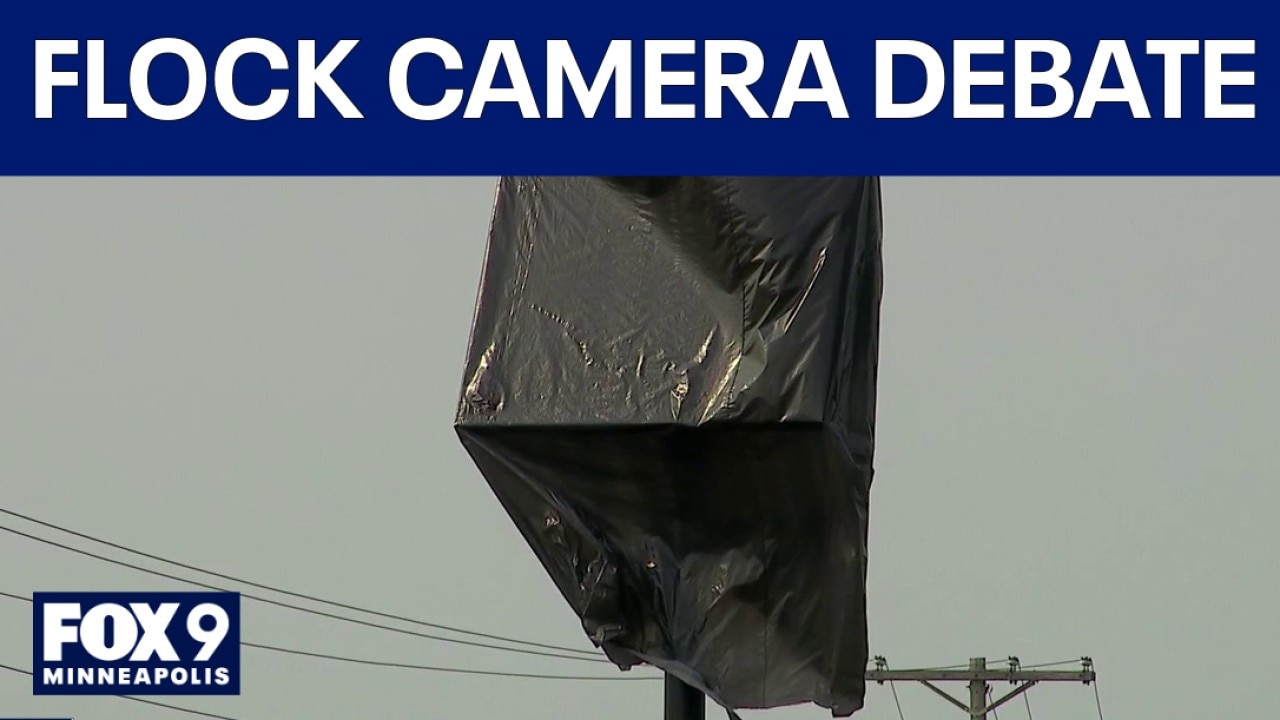
Minnesota cities pull back on Flock cameras amid public pushback
Flock cameras are sparking a great debate across the country, with some police praising them as crime fighting tools, while critics cite privacy concerns. Now, a growing number of communities in Minnesota are taking a step back from the controversial automated license plate readers. FOX 9’s Maury Glover explains why.
University of Minnesota
In mid-September, the University of Minnesota Police Department (UMPD) agreed to remove a Flock camera near Cedar and Riverside avenues in the Cedar-Riverside neighborhood after West Bank community members raised concerns.
Minneapolis City Council members Mohamud Noor and Council Member Jamal Osman announced the removal of the camera in social media posts, citing their collective concerns.
In a statement to FOX 9 acknowledging the camera removal, university officials made it clear that it does not share its Flock camera data with agencies outside of Minnesota.
The university also said it bars its data from being used for immigration enforcement.
Big picture view:
Cities such as Fridley and West St. Paul, as well as Sherburne and Isanti counties have also opted to either cancel or pause contracts with Flock within the past year.
Isanti County Sheriff Wayne Seiberlich said the county would opt to end its eight-camera trial at the end of August, while noting, "his office did not find any negatives with the system, but the volume of alerts was overwhelming."
Fridley officials say immigration-related searches were disabled in January 2026, followed by the removal of network access for out-of-state law enforcement agencies in February. As a result, access to the city's Flock camera data is now limited to Minnesota law enforcement agencies.
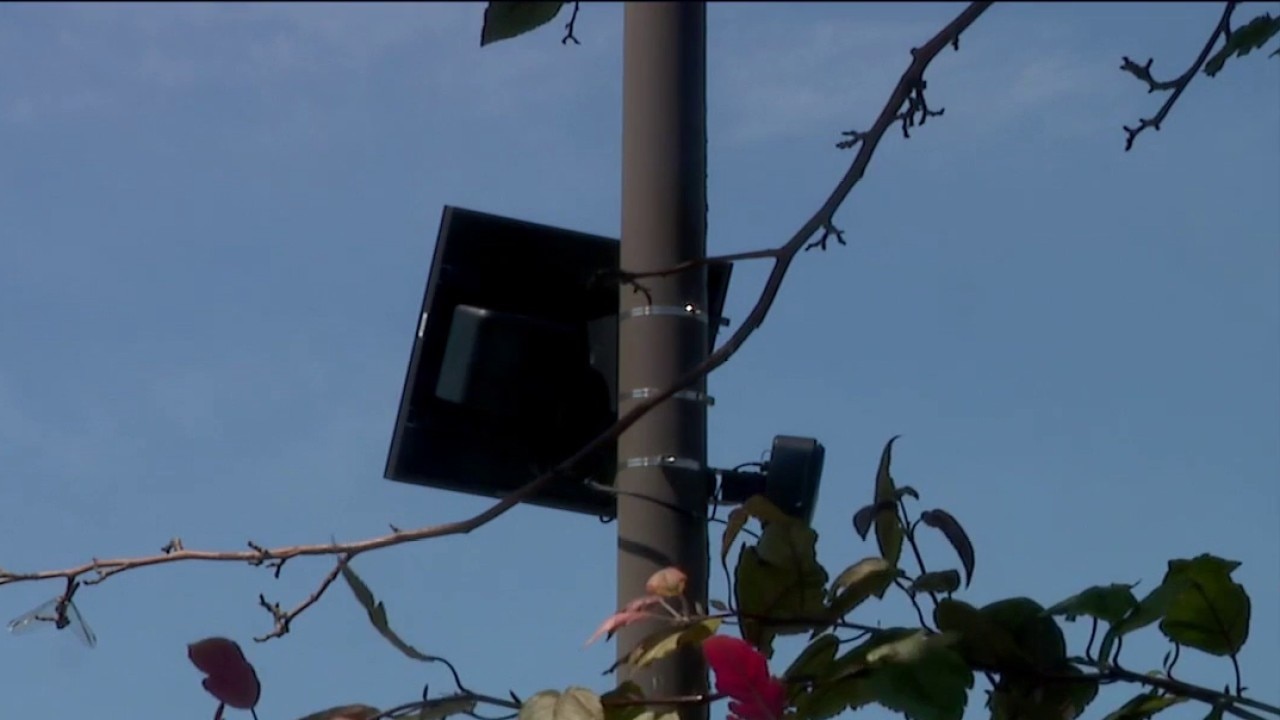
Debate over Flock camera usage in Fridley continues
Community members raised concerns about the use of Flock cameras during a Fridley City Council meeting, where authorities explained how the technology is being used and what changes have already been made. FOX 9's Chenue Her reports.
Flock's defense
The other side:
Not all communities are rushing for the removal of Flock cameras, though, with many still weighing their overarching crime-solving benefits.
Ramsey County
Prior to the push by the St. Paul City Council to cancel both city and county contracts with Flock, Ramsey County Sheriff Bob Fletcher called the technology of the license plate readers "one of the best he’s seen in his 40-year career" while saying their removal was "not an option" for the department.
Fletcher said in the three years since the county started contracting with Flock, he’s seen a marked decline in carjackings and stolen vehicles.
Ramsey County did not allow outside agencies to directly search local data, according to Fletcher. However, if another agency contacted them with a case number and a specific crime they're investigating, Ramsey County could potentially share data on a case-by-case basis.
Shakopee Flock cameras debated
Shakopee's Flock cameras are at the center of a growing debate over privacy, surveillance and who gets to see your data. FOX 9’s Mike Manzoni has the latest.
Shakopee
The Shakopee City Council has held several public meetings to discuss the use of Flock cameras, hearing both public and police opinions on its seven cameras – only five of which are currently operational.
Police have said they do not share Flock data with federal immigration authorities and have strict policies on officer access.
Meanwhile, the city is considering cutting the data retention window from 30 days to one week, though concerns about transparency and the potential for abuse remain, according to several public comments.
The Source: Information compiled by previous FOX 9 reporting from various Minnesota communities.