

Anoka County AI: Officials explain new program for receiving non-emergency calls
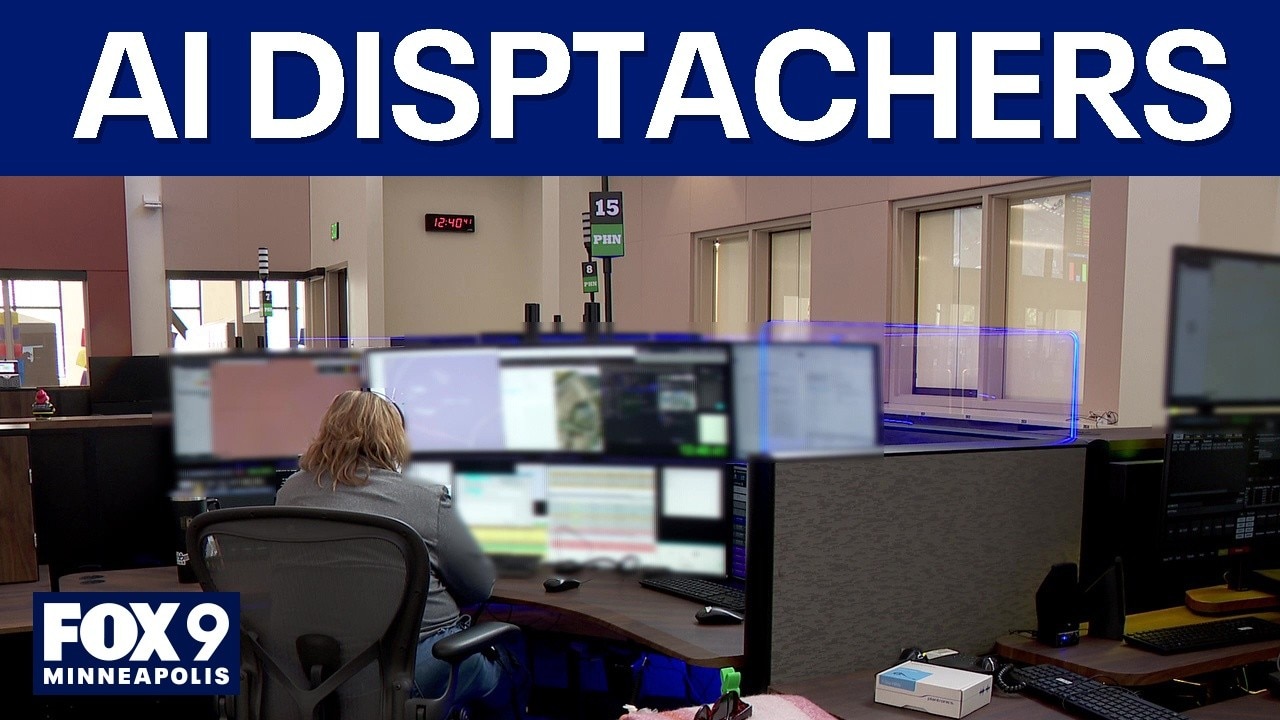
Anoka Co. set to use AI for non-emergency calls
Anoka County officials say they will implement a new AI technology to field non-emergency calls to dispatch. FOX 9's Mike Manzoni has more.
ANOKA CO., Minn. (FOX 9) - Anoka County is rolling out a new AI-powered dispatcher to handle non-emergency calls, aiming to free up 911 operators for true emergencies.
AI dispatcher to take over non-emergency calls
What we know:
Anoka County’s 911 dispatch center receives more than 1,000 calls every day, but two-thirds are not actual emergencies.
The new AI dispatcher, named Eric, is designed to handle those non-emergency calls.
"We’re training it to answer just like we would, ask the same questions," said Kari Morrissey, the Anoka County emergency communications director.
AI can ask questions like, "Okay, can you just confirm your name and location?" and "What type of parking violation are you reporting?" It also takes notes for a real person to review later.
"They go through the transcript, make sure the details are accurate," explained Tanner Ess, a dispatcher.
AI will only answer if you call the 10-digit non-emergency number. If you call that line with a real emergency, it will connect you to a human operator.
"I’m transferring you to agent. Please stay on the line," it said during a demo call.
The county plans to launch the technology in mid-May, after about two weeks of trial runs.
Dispatchers say the new system is already making a difference
Why you should care:
Dispatcher Samantha Gust said the AI dispatcher is potentially helping save lives by allowing her to answer emergency calls faster.
"Seconds can save the life of a person having a medical issue and get responders out there in a timely manner, and so us being able to answer that call even a couple seconds faster with the AI call taker taking some of that off can save lives," she said.
The technology will cost the county $60,000 a year. The county initially tested both male and female AI voices but decided to stick with Eric after callers responded better to the male-sounding voice.