

Twin Cities housing: Minnesota misses 3 annual goals for first time since 2022
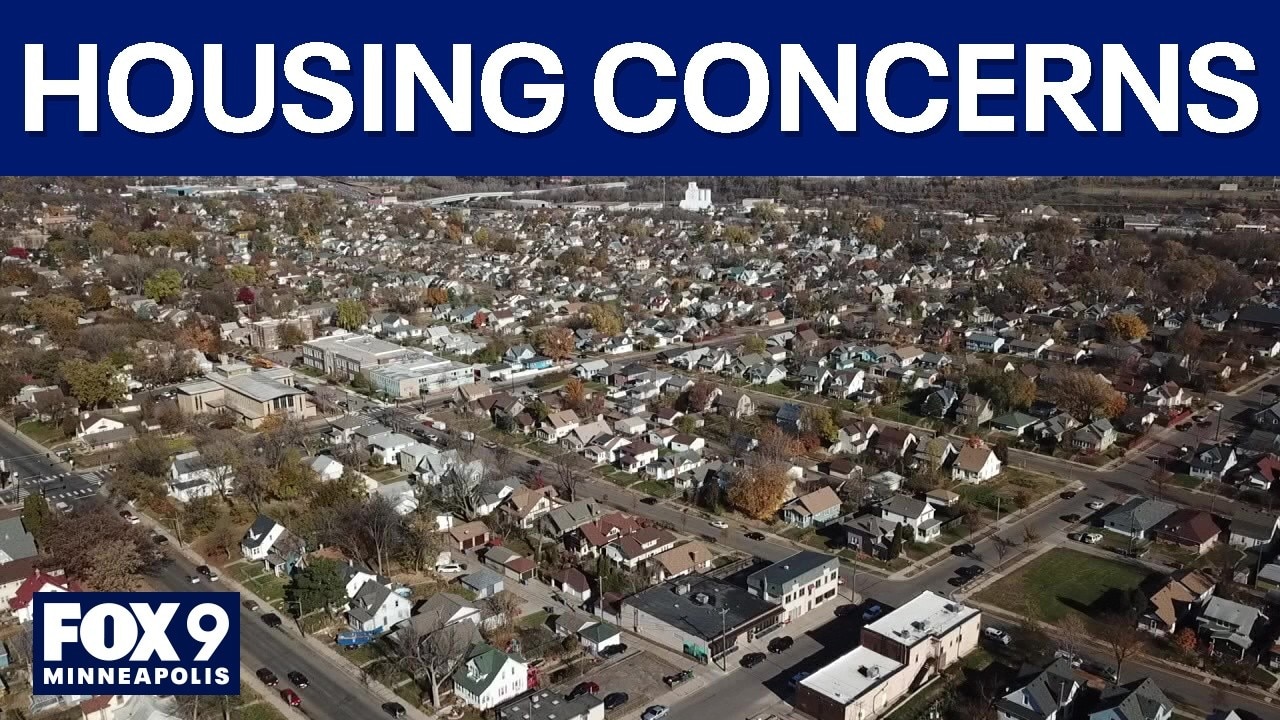
Minnesota housing misses goals
The Twin Cities missed annual goals for new housing, affordable units and Black homeownership, according to a recent report. FOX 9’s Leon Purvis has the details.
(FOX 9) - A new report from the Minneapolis Fed shows the Twin Cities came up short on all three of its annual housing goals, raising concerns about the region’s progress in building homes and closing the homeownership gap.
Twin Cities struggles to meet housing construction targets
What we know:
The goal was to build at least 18,000 new housing units each year across the seven-county Twin Cities area.
In both 2024 and 2025, only about 12,000 units were built each year, which is about two-thirds of the target.
Libby Starling, senior community development advisor with the Minneapolis Fed, said, "They're an array of headwinds facing the housing construction industry that's looking at the cost of labor, the cost of land, the cost of supplies to build housing, the cost of interest rates to finance building new housing."
The challenges facing builders are making it harder for the region to keep up with demand.
This is the first time since 2022 that all three housing targets were missed.
Affordable housing and homeownership gaps widen
Dig deeper:
The region also fell short on affordable housing.
The target was to create 2,090 new affordable units per year, but the most recent total was about 1,760 units — roughly 300 short of the goal.
Starling said, "Building new affordable housing takes an alignment of funding. It takes an alignment of opportunity. It's needing locations, and there has been some trend toward more affordable housing units that probably take more expense."
Another concerning trend is the growing gap between Black and white homeownership.
The goal has been to increase Black homeownership to 45% by 2030, but after years of improvement, the share of homes with Black owners dropped from 34.3% to just over 29%.
Jamar Hardy, a real estate broker for Edina Realty, said, "There was a there was kind of an influx of opportunities for people of color to access, especially if they're first-generation home buyers, dollars to a system getting through. But if you're looking at rates being around 6%, if you're looking at the bar of entry for any loan being around 3-3.5%, and that average sale price in our area being around $400,000, really having the cash to be able to get into homeownership, it's just getting more expensive."
Experts say the economy is not friendly to those looking to buy right now, with high interest rates and rising home prices making it tough for many families.
What's next:
What’s next: Experts say there’s hope conditions could improve in 2027, especially if funding continues for programs aimed at helping first-generation home buyers.