

Minnesota deer season 2026: What changed, what to expect by region
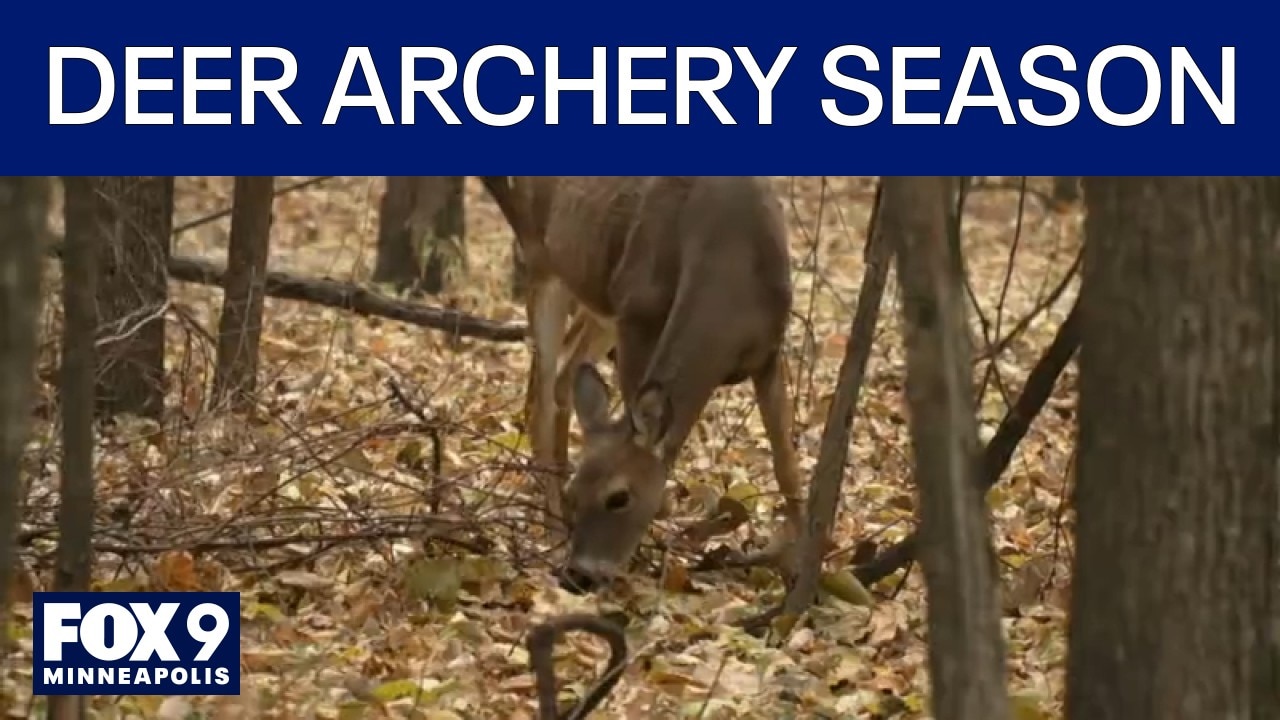
Minnesota deer archery season opens Saturday
Minnesota DNR Deer Coordinator Paul Burr joins us ahead of Saturday’s opening of deer archery season. We’ll look at this year’s deer population outlook, changes to hunting licenses and harvest registration, chronic wasting disease management zones, hunting safety and Minnesota’s "Take a Kid Hunting Weekend."
ST. PAUL, Minn. (FOX 9) - Minnesota hunters heading into the Saturday, Nov. 7 firearms opener have new deer rules to review, and a mixed but mostly favorable outlook across the state.
Statewide deer season changes and reminders
What we know:
The Minnesota Department of Natural Resources says many hunters look forward to the firearms opener for the chance to be outside at dawn and for the traditions built with friends and family. Ahead of the season, the agency is urging hunters to review updated regulations and finish license purchases well before opening day.
Local perspective:
According to the DNR, a four-year statewide rotational surveillance plan for chronic wasting disease begins this season. Sampling is required for deer harvested in southwest Minnesota on Nov. 7-8, and hunters in any CWD management zone statewide, meaning deer permit areas in the 600 series, can now move harvested deer out of those zones more easily as long as disposal requirements are met.
What you can do:
The DNR says voluntary CWD sampling is also available statewide when testing is not required. More details are posted on the agency’s CWD webpage, its CWD testing options webpage and a previous DNR news release about deer season CWD changes.
The statewide shotgun zone for deer hunting has been eliminated, according to the DNR. Counties in the former shotgun zone can still choose county-level restrictions, and the agency says hunters can find those updates under "new for 2026" on the deer hunting webpage. The DNR also says its modernized electronic licensing system has changed how hunters buy licenses and register harvests, with online sales, license agent locations and help resources posted on the buy a license webpage. Regional maps are available on the Minnesota DNR website.
Southern and northwest Minnesota deer outlook
What they're saying:
Regional wildlife managers say southern Minnesota deer populations remain stable or are increasing, while northwest Minnesota herds are in very good condition. In both regions, the DNR points to mild winters and strong food conditions as major reasons hunters could see solid opportunities this season.
By the numbers:
In southern Minnesota, the DNR says deer populations will be similar to 2025 after a series of mild winters helped survival and reproduction. Even with a mostly dry summer, trees producing nuts, seeds and berries, especially bur oak, appear to have had a good year, later rains helped cool-season green-up and some wetlands have started to refill.
The DNR says multiple deer permit areas in the southern region that had one-deer limits last year now have higher bag limits this year.
In northwest Minnesota, the DNR says three relatively mild winters and conservative bag limits across most deer permit areas helped herds rebound. Managers also say deer had healthy grazing, the acorn crop was fair to good in some areas and warm temperatures, timely rainfall and relatively late frosts kept grass and forbs green through much of fall.
As a result, the DNR says bag limits in many northwest deer permit areas are less restrictive this season. Hunters will have more chances to harvest additional antler-less deer in almost two dozen permit areas, more areas now have two- or three-deer limits and DPA 203 remains the region’s only bucks-only area. Some permit areas still have lower harvest limits as managers work to return local herds to population goals.
Northeast and central Minnesota deer outlook
Dig deeper:
The DNR says conditions are more uneven in the northeast, while the central region continues to trend upward. Regional managers say hunters should see more deer in some northeastern areas, and central Minnesota continues to offer strong harvest opportunities in places with higher local populations.
In the northeast, the DNR says deer populations are variable. Reproduction was favorable this year and hunters should see more deer, but the far northeast still has low populations after a severe winter that left snow on the ground into spring, so bag limits remain conservative there to give local herds a chance to grow.
In central Minnesota, the DNR says deer populations continue to increase because of strong overwinter survival, good reproduction and great habitat. Most deer permit areas are trending upward, while a few are leveling off near population goals.
The Source: Information for this story was provided by the Minnesota Department of Natural Resources.