

Kalshi sues State of Minnesota over prediction market ban
MN sued again over ban on prediction markets
The State of Minnesota has been sued by Kalshi, a prediction market company, over the state's ban of prediction markets. FOX 9's Leon Purvis has more.
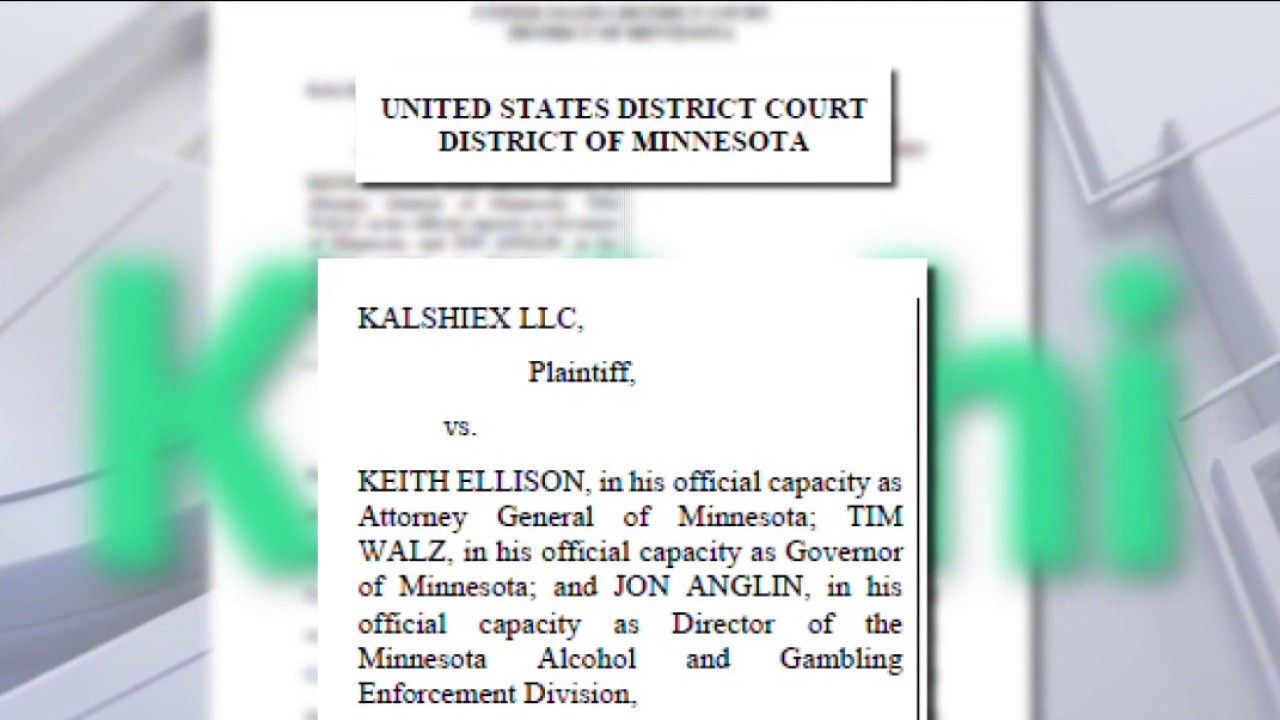
ST. PAUL, Minn. (FOX 9) - Kalshi is suing the State of Minnesota over a law that was passed earlier this month that bans prediction markets from being advertised or operated.
The Minnesota ban goes into effect starting Aug. 1, 2026.
The Trump administration has filed lawsuits against other states over similar bans, including Arizona, Connecticut, Illinois and New York.
READ MORE: Trump admin sues Minnesota over Polymarket ban

Trump sues Minnesota over prediction market ban
Minnesota’s new ban on prediction markets is already facing a lawsuit from the Trump administration before it even takes effect. The law targets platforms like Kalshi and Polymarket, while opponents argue the state is overstepping federal authority. Ryan Butler from Covers.com joins us to break down what prediction markets are, why Minnesota is cracking down, and what this legal fight could mean moving forward.
Kalshi vs. State of Minnesota lawsuit
Big picture view:
Prediction markets, like Polymarket and Kalshi, allow you to wager on real world events. The wagers work similar to futures trading where you purchase outcome contracts and the price of the contract varies based on the likelihood of the outcome. You can sell your contract before the event occurs to capitalize on profits or cut your losses.
The Minnesota law, SF 3432, was signed by Minnesota Gov. Tim Walz earlier this month.
The new law would make it a felony to operate or advertise services such as Kalshi or Polymarket in the state starting Aug. 1, 2026.
Kalshi's lawsuit, filed in federal court, claims Minnesota is violating the Supremacy Clause of the U.S. Constitution by infringing on the Commodity Futures Trading Commission's (CFTC) "exclusive jurisdiction" over event contracts, including ones that are "traded on designated contract markets."
The lawsuit also claims that the law violates the company's First Amendment rights.
READ MORE: Senate quietly bans lawmakers from betting on prediction markets
Kalshi adds the new law forces the company to make an "impossible choice" of either complying with state law "by ceasing to offer its fully lawful event contracts in Minnesota or risk criminal penalties."
The company also cites CFTC regulations that state it is "forbidden from discriminating against its customers based on geography."
The backstory:
The markets have become increasingly controversial as many have raised concerns about their lack of oversight and the fact that they can be used for what is essentially sports betting. Aside from that, some controversial bets have been placed on the platform connected to major world events, like a soldier who used classified information to bet on the U.S. capture of Venezuelan leader Nicolás Maduro.
Minnesota Sen. Matt Klein was suspended by Kalshi after betting on himself to win his primary.
READ MORE: Senate quietly bans lawmakers from betting on prediction markets
Lawmakers say the rapid growth of prediction markets could lead to more gambling addiction and corruption. The debate centers on whether these markets are a form of gambling and how they should be regulated.
Dig deeper:
The full lawsuit can be read below:
Minnesota Attorney General responds
The other side:
Minnesota Attorney General Kieth Ellison shared the following response:
"I’m very concerned about the harms of prediction markets on Minnesotans. Prediction markets are designed to be addictive and prey especially on young people and low-income folks. They help the ultra-rich get richer and the rest of us get poorer. My office and I are reviewing this lawsuit and will respond in court."
The lawsuit names Ellison, Gov. Walz, and Jon Anglin, director of the state’s Alcohol and Gambling Enforcement division, as defendants responsible for enforcing the law.
The Source: This story uses information taken from a lawsuit filed by Kalshi and previous FOX 9 reporting.