

Minnesota's first West Nile virus case of 2026 confirmed in Polk County horse
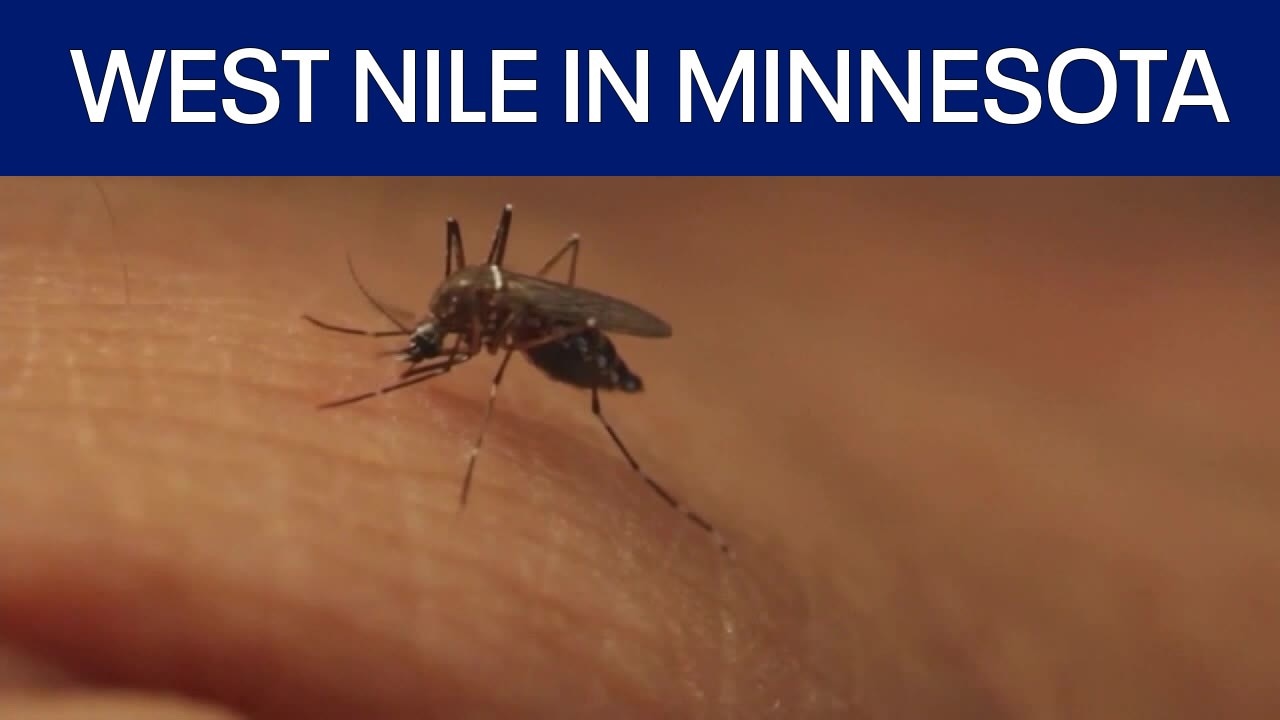
West Nile virus found in three Minnesota counties
Jordan Mandli with the Metropolitan Mosquito Control District discusses tips for avoid mosquito bites after West Nile was found in three Minnesota counties.
POLK COUNTY, Minn. (FOX 9) - A Polk County horse is recovering after becoming Minnesota’s first confirmed case of West Nile virus in 2026, and officials are reminding owners about the importance of prevention.
First West Nile virus case in a Minnesota horse this year
What we know:
The Minnesota Board of Animal Health confirmed the case this week in an unvaccinated 3-year-old standard bred gelding. The horse showed moderate weakness, loss of muscle coordination and fell down during a neurological exam.
The horse’s veterinarian began treating it with steroids, and the animal started improving within a few days. According to the Board, West Nile virus is a preventable disease with routine vaccinations.
"Late summer is the typical highpoint of WNV season in Minnesota," said Dr. Heather Damico, senior veterinarian leading the Board’s equine program. "Birds carry the disease and mosquitos can contract it from birds and spread it to horses. Unfortunately, almost all cases of WNV we’ve seen in Minnesota affect unvaccinated or under-vaccinated horses."
The Board says the horse is recovering with supportive treatment. Infected horses cannot spread the virus to people or other horses.
West Nile virus and how it spreads
Why you should care:
West Nile virus is regularly found in the United States and can be transmitted to both horses and people by mosquitos. The virus can cause inflammation of the brain and spinal cord, and while some horses recover fully, severe cases can lead to lifelong effects or euthanasia.
The types of mosquitos that spread the disease are more active in July and August, which is when most cases are reported. Annual vaccination is the best way to protect horses, and the Board says most cases in Minnesota happen in unvaccinated animals.
Horse owners are also encouraged to reduce mosquito populations by changing water in drinking troughs every week, mowing long grass, draining stagnant water, removing items like old tires and cans, placing screens over windows and doors, and using mosquito repellents. The Board reminds owners that non-negative test results for West Nile virus in animals must be reported.
More information about WNV in horses can be found on the Board’s website, and details about the disease in people are available from the Minnesota Department of Health.
What we don't know:
It is not yet clear if any additional cases have been detected in other animals or people in the area, or if there are any new recommendations for horse owners this season.
The Source: Information from the Minnesota Board of Animal Health.