

Minnesota wildfires: Fire crews warn 'we've never seen anything like this'
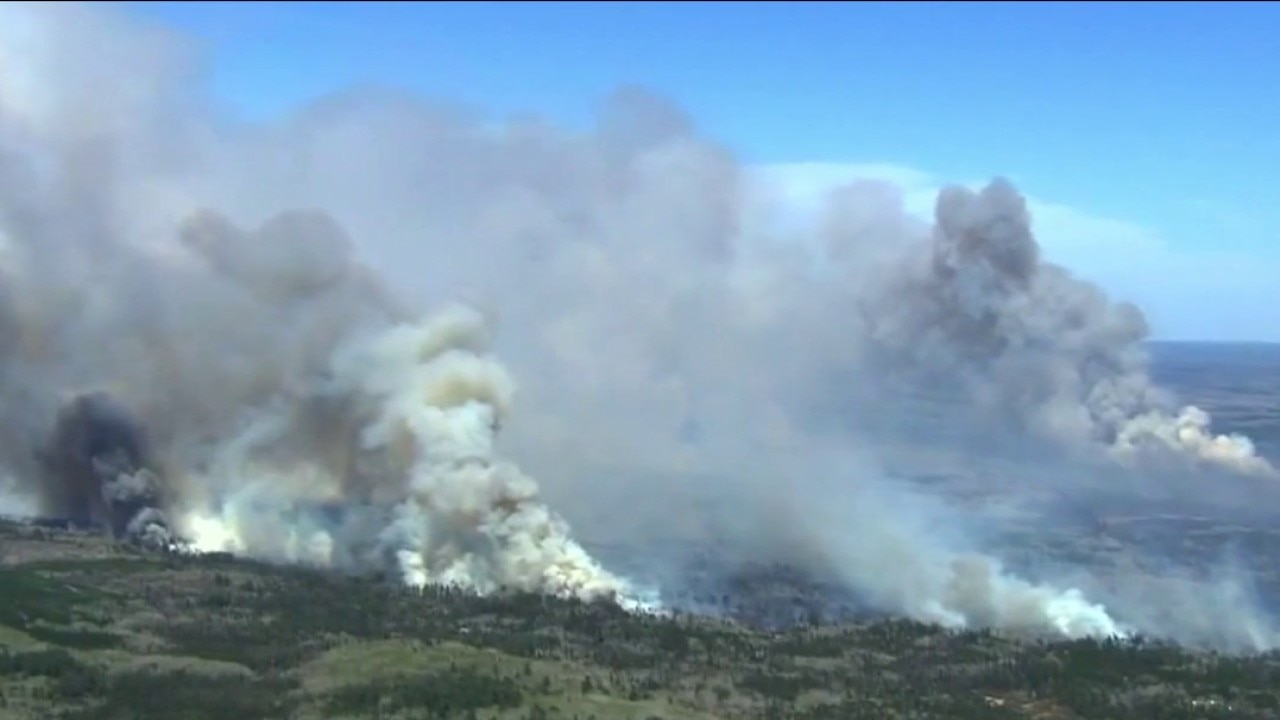
Fire crews shift strategy in MN wildfire fight
Fire crews are switching their strategy to fight the northern Minnesota wildfires. FOX 9's Corin Hoggard has more.
(FOX 9) - Firefighters are shifting their strategy as wildfires continue to burn across northeast Minnesota, with teams moving to where they can get the most accomplished despite limited resources.
Firefighting teams focus on Bear Trap Fire north of Ely
What we know:
Crews put extra attention to the Bear Trap Fire north of Ely, moving equipment and staff as shifting winds could see fires encroach on Big Lake and Echo Trail.
Officials say lightning strikes started most of the fires, but a lack of snow and unusually warm weather have made the area especially dry and dangerous.
Jason Loomis, with the National Incident Management Organization, said, "We have never seen anything like this. I don't think I need to tell you all that that is unprecedented. That's the kind of stuff we see in Arizona and dry, arid climates, not up here in upstate Minnesota."
The current firefighting force includes about 500 people from Minnesota, federal agencies, and other states. They are battling 45,000 acres of fire, compared to 28,000 acres and 433 firefighters last year on the Camp House and Jenkins Creek fires. In 2021, more than 500 firefighters responded to the 27,000-acre Greenwood fire.
Federal hot shot crews have come from New Mexico and Mississippi, but a typically busy fire season in Western states has made it harder to get extra help.
Officials discuss resource challenges and climate impacts
Local perspective:
Paul Lundgren with the Minnesota Department of Natural Resources said, "Nationally, there are other needs, resources are short, and there are high values at risk across the country."
Riva Duncan from Grassroots Wildland Firefighters said, "They've not adjusted their numbers to look at the climate crisis and climate change and these extreme droughts."
Duncan is a former U.S. Forest Service fire chief who is calling for a new analysis of what the U.S.F.S. needs, noting that the last review happened in the 1990s.
Officials say the movement of the fires will continue to decide where resources are sent. In the end, they believe weather—whether rain or snow—will be the deciding factor in stopping the fires, but that could still be months away.