

Minnesota inches closer to lifting nuclear energy ban
MN lawmakers consider lifting nuclear energy ban
Lawmakers are debating whether or not nuclear energy has a future in the state of Minnesota. FOX 9's Corin Hoggard has the full report.
ST. PAUL, Minn. (FOX 9) - Minnesota could be on the verge of a major energy shift as lawmakers debate the future of nuclear power in the state.
Lawmakers advance nuclear energy study bills
Minnesota inches closer to lifting nuclear energy ban
Minnesota could be on the verge of a major energy shift as lawmakers debate the future of nuclear power in the state. Bills in both the House and Senate aim to pay for a study on nuclear energy, which is often the first step before making big policy changes. FOX 9's Corin Hoggard has more.
What we know:
Bills in both the House and Senate aim to pay for a study on nuclear energy, which is often the first step before making big policy changes. Supporters hope this study could lead to lifting the moratorium as soon as next year, but any new nuclear plants would still be years away.
The study is seen as a precursor to ending the moratorium, but even if lawmakers act quickly, it would likely be at least eight years before new nuclear reactors are built in Minnesota. Lawmakers say communities would also have a say before any new plants are approved.
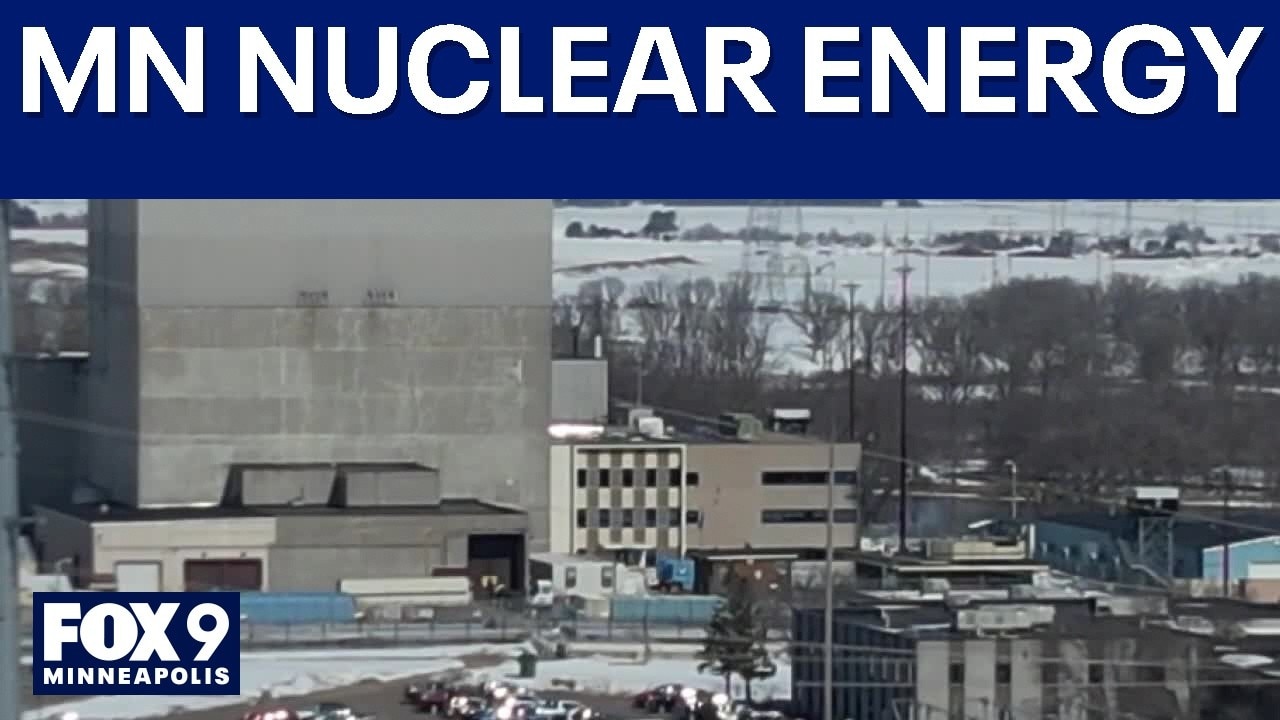
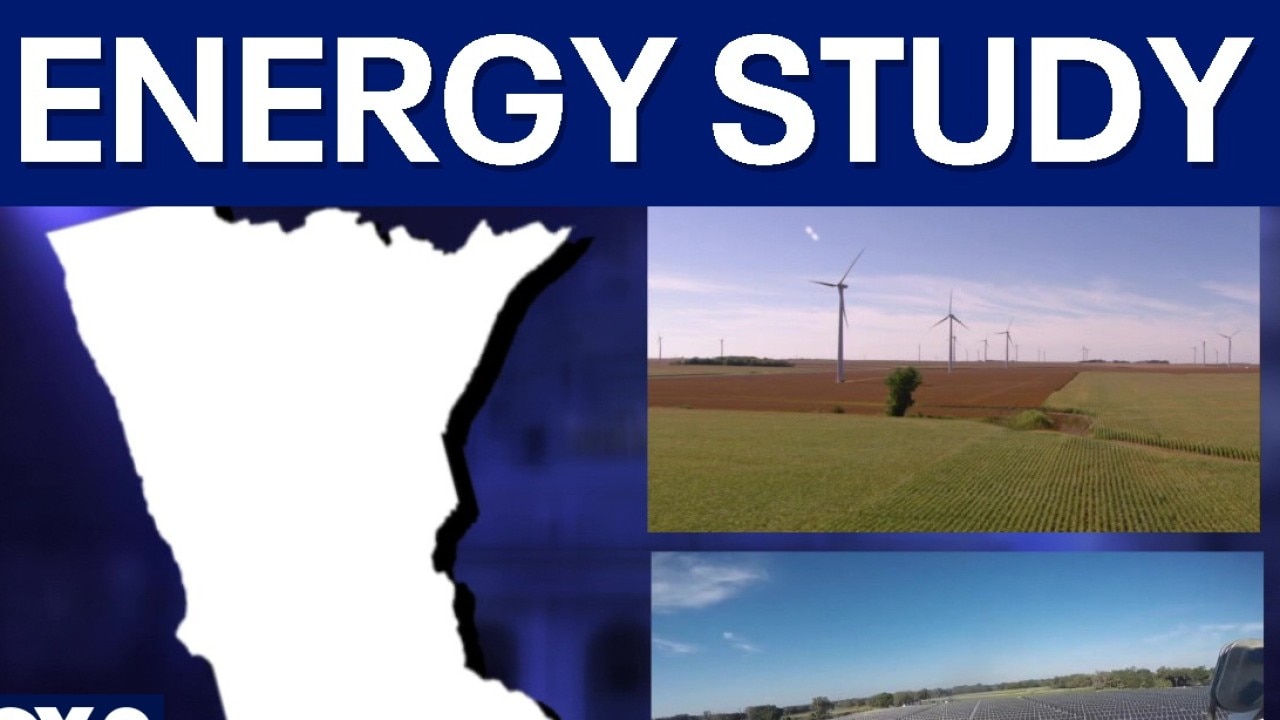
Wind and solar have become more common across Minnesota as the state has prioritized clean energy in recent decades. Nuclear energy is also carbon-free, and Minnesota currently has three reactors — one in Monticello and two near the Prairie Island Indian Community, close to Red Wing.
Arguments for and against nuclear energy
Big picture view:
The debate over nuclear energy in Minnesota has not changed much over the years. Supporters argue that as the state moves away from coal and natural gas, nuclear is needed to meet growing energy demands. "The more they go electric everything, and the more people we have, we're going to need more juice, for lack of a better term. And if we don't have coal, we don't have natural gas, well, we're going to have a huge gap we need to fill," said the House bill’s author, Rep. Spencer Igo, a Republican from Wabana Township.
On the other side, opponents point to the high costs and long timelines for building nuclear plants. "One of the challenges historically with nuclear is it hasn't gotten cheaper over time. It's gotten more costly and it's taken longer," said Rep. Larry Kraft, a Democrat from St. Louis Park.
Concerns about nuclear disasters and the long-term storage of waste remain. "I think safety is a concern any way we generate energy, nuclear is included," said the Senate bill’s author, Sen. Nick Frentz, a Democrat from North Mankato. "We have to ask, ‘What are the innovations that will be made?’ Americans are tremendous innovators. We may see changes to energy generation, geothermal comes to mind, wind and solar have had a big decrease in the cost. There may be some other technology, might be nuclear."
The Prairie Island Indian Community, which lives closer to an active nuclear waste storage site than any other community in the country, is supporting the study. "There were several elements of the study that were important to Prairie Island including the analysis of new waste created as well as long term storage," said Blake Johnson of the Prairie Island Indian Community.
The backstory:
Minnesota’s moratorium on new nuclear plants dates back to 1994, partly because of concerns about nuclear waste storage. The Prairie Island Indian Community was told the waste would be sent out of state, but those plans fell apart at the federal level. Lawmakers voted to lift the moratorium in 2011, but the effort stalled after the Fukushima disaster in Japan.
Sen. Frentz, who also authored the law aiming to get Minnesota off carbon-derived energy by 2040, says this nuclear study is part of that broader effort. He and Igo agree that it could take several years before any new plants are built, and a lot could change by then.
What we don't know:
Lawmakers have not yet finalized how communities would be involved in decisions about new nuclear plants or how much the study will cost. The specific analysis and recommendations expected from the study are still being negotiated.