

Minnesota August housing report: Inventory hits 7-year high as listings outpace sales
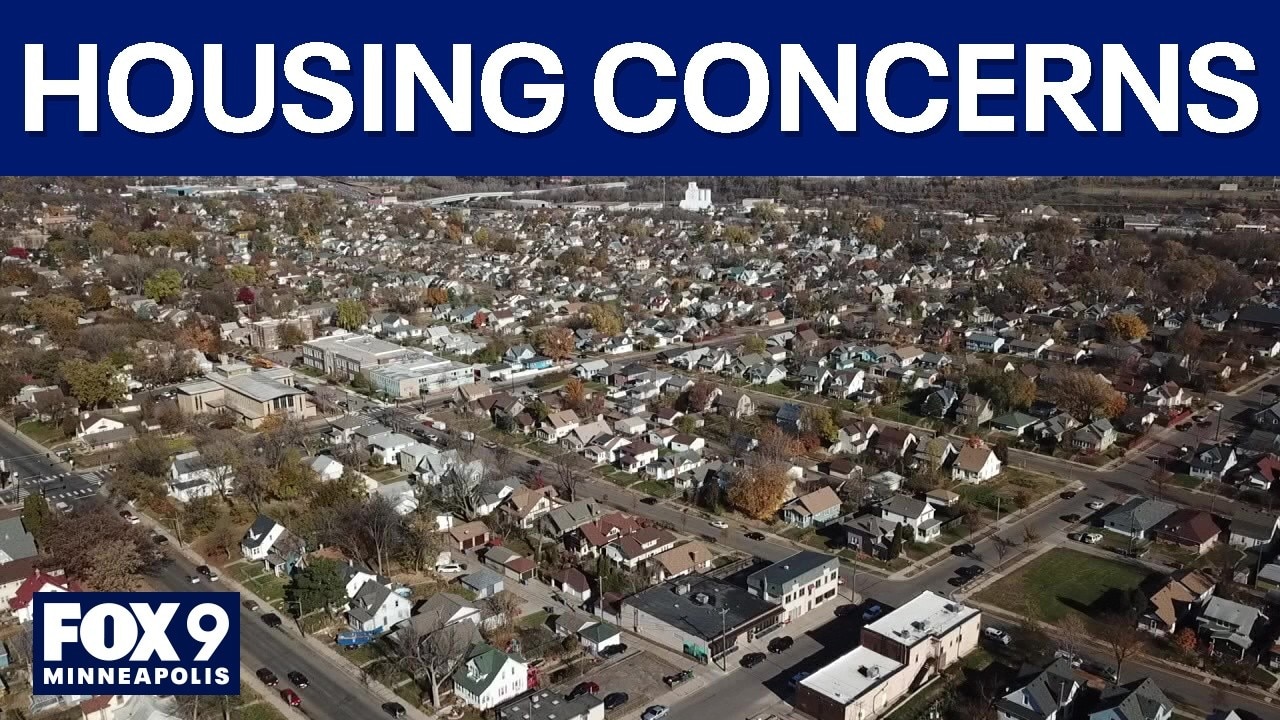
Minnesota housing misses goals
The Twin Cities missed annual goals for new housing, affordable units and Black homeownership, according to a recent report. FOX 9’s Leon Purvis has the details.
MINNEAPOLIS (FOX 9) - Minnesota's housing market is sending mixed signals heading into fall, with more homes on the market but buyers and sellers not always finding common ground.
Minnesota's August housing report
What we know:
August marked the first statewide decline in pending sales in five months, according to the report. At the same time, new listings rose 7.1% statewide to 9,570 homes, while the Twin Cities saw a stronger 8.2% jump to 6,481 — the seventh straight month of listing gains both in the metro and statewide. Statewide inventory remained at a seven-year high, with more than 20,000 homes for sale and supply up more than 10% compared to last year.
The statewide housing market was the most balanced it has been for any August since 2017, though the 3.5 months of supply is still considered low historically. A healthy, well-supplied market typically carries around five or six months of supply.
What they're saying:
"More homes are hitting the market, so buyers have been more active overall, and prices continue to rise but at a more sustainable pace. Minnesota's housing market is showing encouraging signs of balance and stability," said Wendy Uzelac, President of Minnesota Realtors.
So far in 2026, new listings are up 6.5% and pending sales are up 3.0% statewide, according to the report. More sellers are testing the market, but not all of them are finding a match right away.
Buyers gain leverage as homes sit longer
By the numbers:
The August data revealed significant differences depending on property type, price point and location. Pending sales under $400,000 were down 2%, while sales over $1 million increased 15.5%. Single-family home sales rose 1%, while condo sales fell 4.3% and townhome sales declined 2.5%. Previously owned home sales were 1% higher, while new construction sales slipped 3.8%. Two-bedroom home sales rose 3.0% and four-or-more bedroom home sales were up 4.7%. Non-waterfront home sales decreased 0.4% and private waterfront home sales fell 0.2%. Sales were down 1.6% in Minneapolis but were 12.6% lower in St. Paul.
With more choices available, buyers have more time and room to negotiate. Sellers across the state accepted 97.5% of their list price, while metro sellers accepted 98.2% — both slightly lower than last year, partly due to less competition. Homes are also taking longer to sell, averaging 51 days statewide and 45 days in the metro.
Local perspective:
"Minneapolis area buyers are benefiting from more inventory and a slower pace, while existing owners still enjoy solid price growth. Even though sales activity is mixed, demand continues to support a resilient housing market," said Aarica Coleman, President of Minneapolis Area REALTORS.
"St. Paul continues to face some headwinds, with sales below last year's levels despite improving inventory. The good news is that stronger listing activity should create more opportunities for buyers in the months ahead," said Danielle Bickham Pelton, President of the Saint Paul Area Association of REALTORS.
Prices keep climbing as affordability stays strained
Big picture view:
Despite more supply and easing demand, prices have not retreated. The statewide median sales price rose 2.8% to $370,000, while the Twin Cities median climbed 1.3% to $405,000. The overall supply shortage, despite recent gains, is keeping price growth in positive territory. Strength at the upper end of the market is also contributing to that trend.
Elevated mortgage rates and ongoing price gains, on top of rising taxes and insurance, are straining affordability at a time when inflation is eroding most wage gains. The conflict in Iran is driving energy prices up and contributing to an uptick in inflation, according to the report. Inflation has moderated from its spring peak, but price pressures remain higher than the Federal Reserve's long-run target, making the outlook for interest rates less certain.
What we don't know:
The biggest question facing the economy and the housing market remains where interest rates go from here. Economic and job growth have cooled, consumer confidence is soft and both businesses and households are facing more uncertainty. At the same time, business investment is strong, corporate earnings are near records and consumers continue spending. Heightened uncertainty has helped keep mortgage rates elevated, influencing affordability and buyer behavior across the state.
The Source: This report is based on August 2026 housing market data, released Sept. 16 by Minnesota Realtors.