

Over 1,000 pounds of khat seized in Chicago, 3 arrested
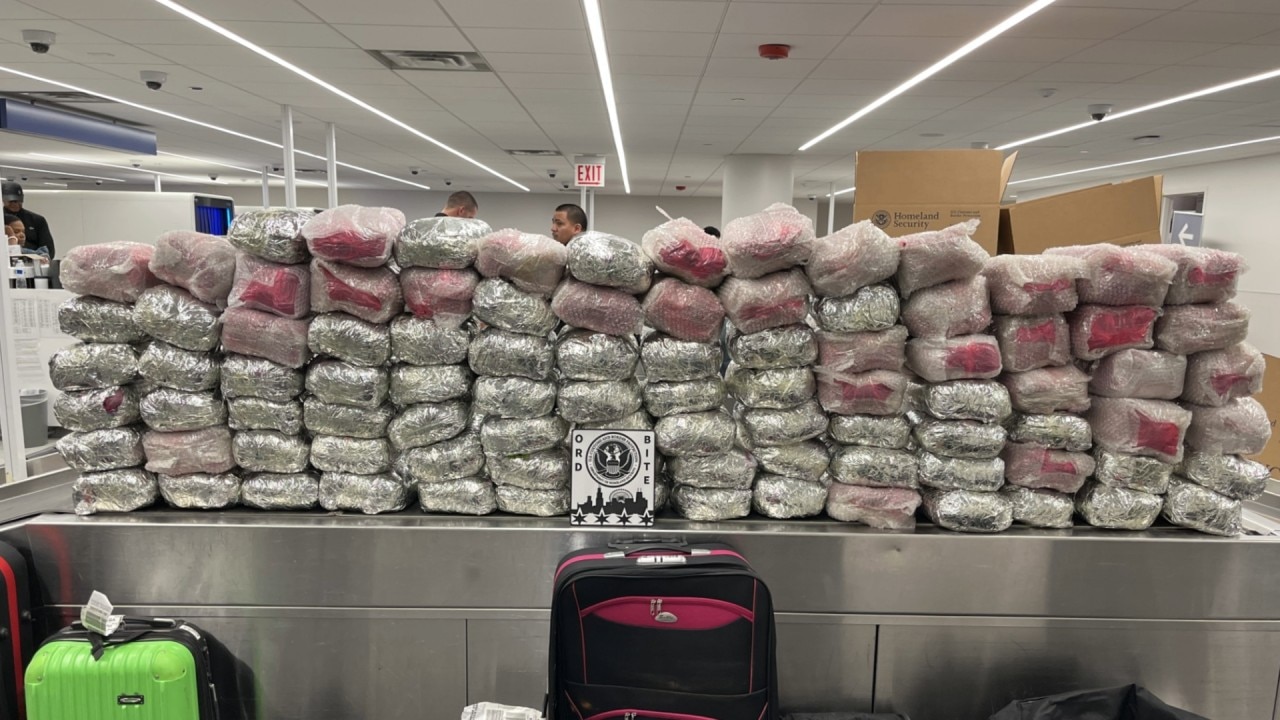
More than 1,170 pounds of khat seized at O’Hare, 3 travelers charged
Three travelers were charged after more than 1,170 pounds of khat—an illegal stimulant valued at about $140,000—were seized from luggage at O’Hare. A Customs spokesperson explains how officers found it.
CHICAGO (FOX 32) - A total of 1,170 pounds of khat, which contains two stimulants that are classified as controlled substances, was seized at Chicago O'Hare International Airport last week, according to a news release by U.S. Customs and Border Protection (CBP).
Three arrests in two days
What we know:
On Aug. 19, two travelers from Senegal were stopped at Chicago O'Hare International Airport before they could board a connecting flight to LaGuardia International Airport in New Jersey. Officers checked their bags and found 167 packages of khat hidden inside pink plastic, totaling 755 pounds. The next day, Aug. 20, a third traveler from Senegal was also pulled aside for a bag check. Officers found an additional 93 packages of khat wrapped in pink plastic bags and foil, adding another 417 pounds. Altogether, the two seizures added up to 1,172 pounds of khat worth more than $140,000 on the street.
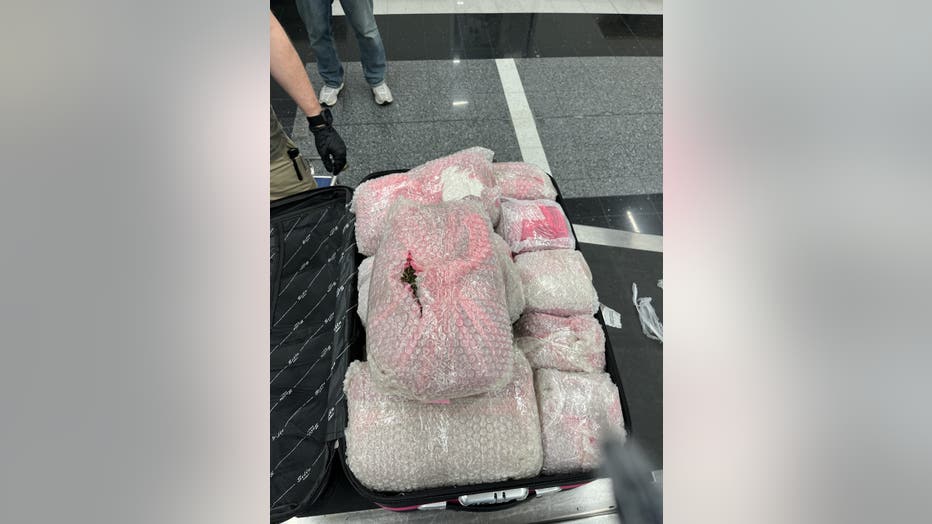
A suitcase full of khat (U.S. Customs and Border Protection)
All three travelers were arrested and are now facing charges for trafficking and delivering more than 200 grams of a controlled substance.
What we don't know:
It's still unclear where the khat was ultimately headed or if more people are connected to these cases.
A growing trend at U.S. airports
Big picture view:
Two weeks earlier, officers at Baltimore Washington International Thurgood Marshall Airport made two separate khat seizures, one of 412 pounds and another of 847 pounds. Last week, officers at Dulles International Airport seized another 368 pounds. CBP officers say that they're seeing more khat being smuggled in baggage.
What is khat?
Dig deeper:
Khat, also called Abyssinian tea or African salad, is usually grown in East Africa and the Arabian Peninsula. People chew the leaves or brew them into a tea for a stimulant effect. According to the Drug Enforcement Administration, khat contains two stimulants: cathinone, which is classified as a Schedule I controlled substance, and cathine, which is Schedule IV. Symptoms of khat toxicity can include delusions, loss of appetite, trouble breathing, and higher blood pressure and heart rate. The World Health Organization labeled khat a drug of abuse in 1980.
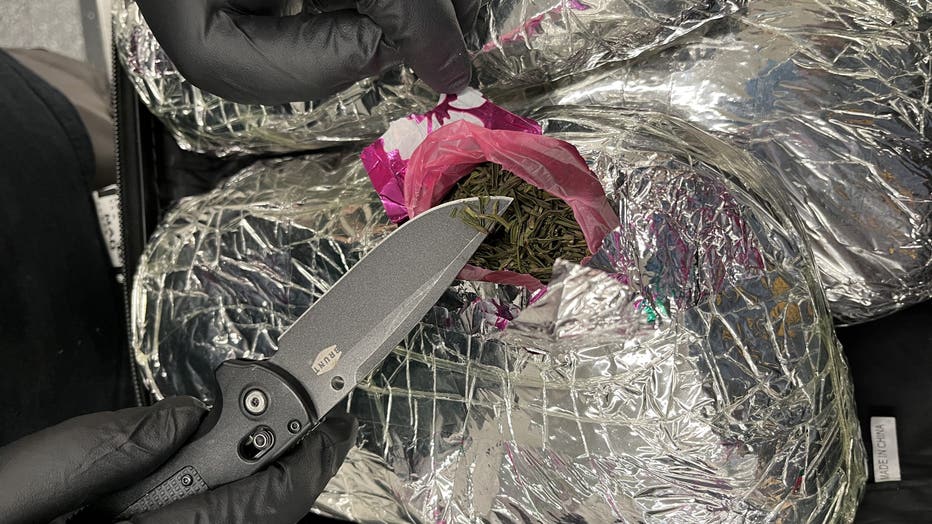
(Customs and Border Protection)
Last fiscal year, according to CBP, officers and agents seized about 46,000 pounds of khat nationwide, and nearly 19,000 pounds in the first nine months of this fiscal year.
The Source: This story uses information from U.S. Customs and Border Protection and the Drug Enforcement Administration.