

Fish mortality reports rising as prolonged heat continues, MN DNR says
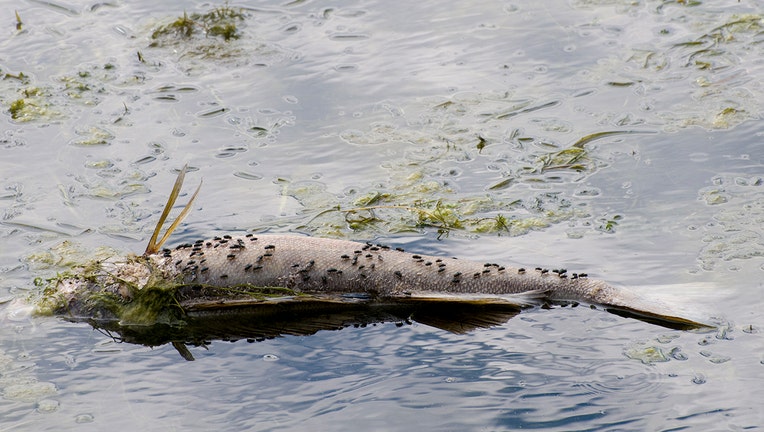
Vadnais Heights, MN, Vadnais lake regional park, Vadnais Lake, Dead walleye covered in flies. (Photo by: Michael Siluk/Universal Images Group via Getty Images) (Getty Images)
(FOX 9) - Rising temperatures are leading to rising fish mortality rates, according to the Minnesota DNR.
Minnesota heat leading to more fish deaths
Timeline:
State officials say recent heat waves are causing increased fish deaths across Minnesota lakes.
This year, there have been two periods of especially elevated fish deaths.
The first period was in June, as the weather quickly warmed up after the harsh winter.
The second is happening now, due to consistent high temperatures alongside little precipitation.
Dig deeper:
The heat encourages algae growth and decomposition, meaning oxygen levels in the water become depleted.
Alongside urban and agricultural runoff also contribute to higher fish mortality rates.
By the numbers:
The MN DNR says state lakes are 3 to 4 degrees warmer and have lost an average of 10-14 days of ice cover over the last 50 years.
The DNR also say fish deaths are likely to continue rising with climate forecasts.
What you can do:
State officials are asking Minnesotans to report any fish mortality events through the MN DNR website.
Residents living on a waterfront property can create lake tree cover and restore aquatic plants, which can provide cool relief for overheated fish.
Anglers are also asked to be mindful of which aquatic animals are more sensitive to warm weather and avoid overhanding fish that are sensitive to thermal stress, such as pike, muskellunge and walleye.
What they're saying:
DNR Fish Health Supervisor Isaiah Tolo shared the following statement:
"We have been seeing chronically stressful conditions this summer for fish and are receiving continued reports of fish mortality events. People should be aware that they might see dead fish. We also want them to know what to do to report these events and what actions they can take to protect our fisheries."
The Source: This story uses information shared by the Minnesota DNR.