

Chernobyl at 40: See the haunting photos of the world’s worst nuclear disaster
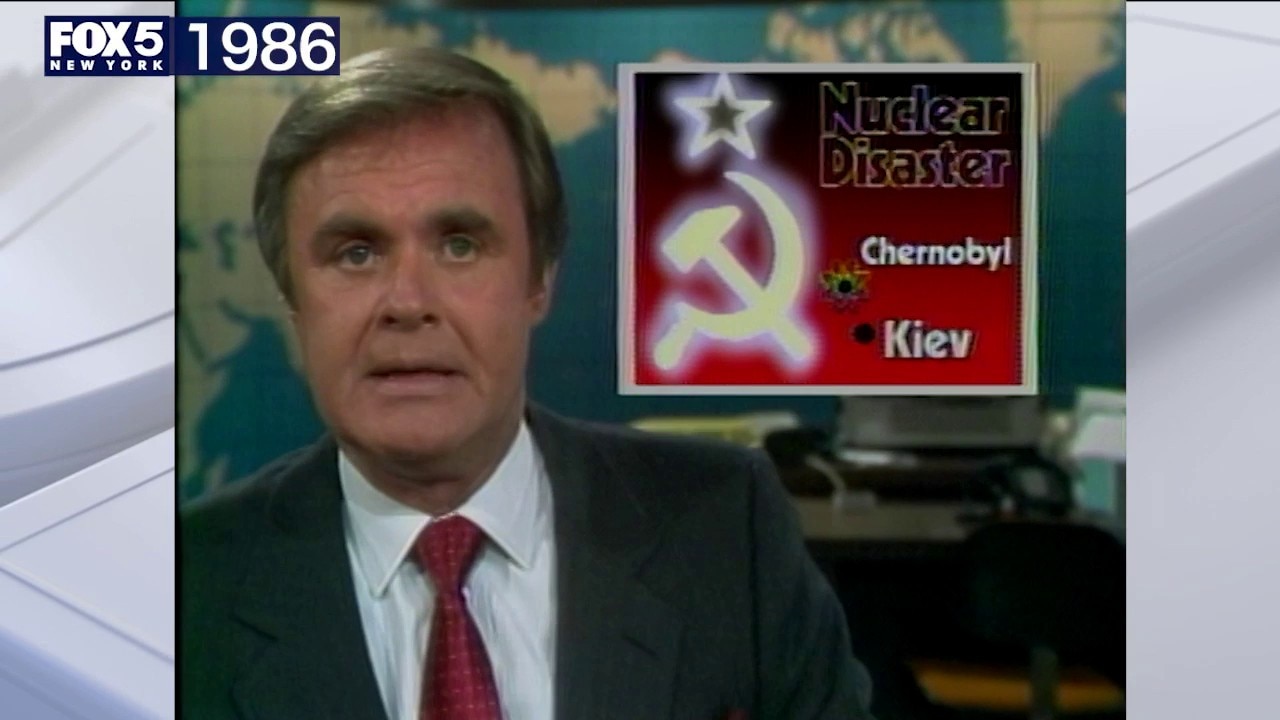
From 1986: Chernobyl disaster coverage
In the days after the Chernobyl disaster, Americans were very concerned about the potential danger from radiation and the lack of information coming from the Soviet Union. Originally aired on WNYW in New York on April 30, 1986.
Forty years after the Chernobyl disaster, the world is still reckoning with the lasting human, environmental, and political consequences of the worst nuclear accident in history.
On April 26, 1986, in the worst nuclear disaster in history, an explosion and fire at the Chernobyl nuclear power plant in Ukraine caused radioactive fallout to begin spewing into the atmosphere.
Dozens of people were killed in the immediate aftermath of the disaster, while the long-term death toll from radiation poisoning is believed to number in the thousands.
What was Chernobyl?
Dig deeper:
The Chernobyl Power Complex was about 68 miles north of Kyiv, Ukraine, and around 6 miles from the Belarus border. It had four nuclear reactors.
The first two were built between 1970 and 1977, and the other two were finished in 1983. At the time of the accident, two more reactors were still being built.
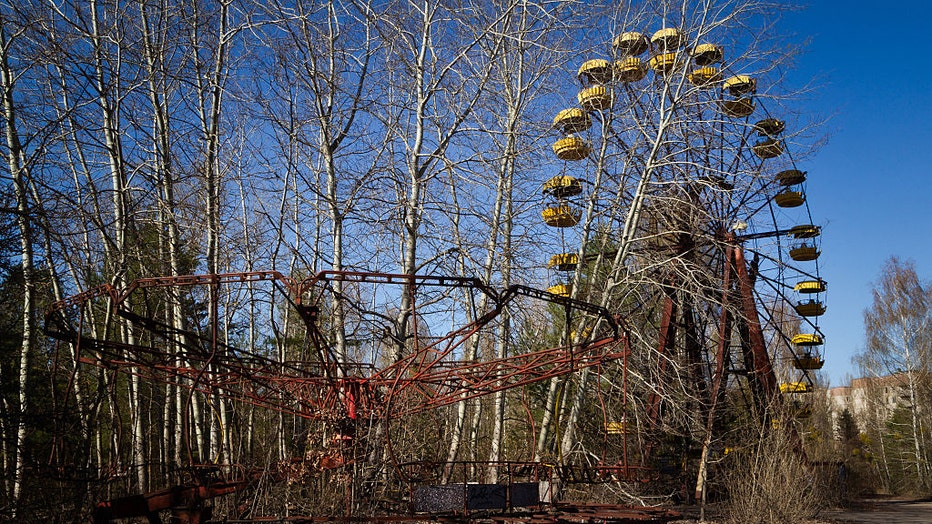
The Ferris wheel is situated in the amusement park in Pripyat, a city abandoned after the Chornobyl accident, Kyiv region, Ukraine, on April 14, 2026. (Photo by Kyrylo Chubotin/Ukrinform/NurPhoto via Getty Images)
What happened at Chernobyl?
The backstory:
Reactor No. 4 at the power plant exploded and caught fire deep in the night on April 26, 1986, shattering the building and spewing radioactive material high into the sky.
Soviet authorities made the catastrophe even worse by failing to tell the public what had happened — although the nearby plant workers’ town of Pripyat was evacuated the next day, the 2 million residents of Kyiv weren’t informed despite the fallout danger.
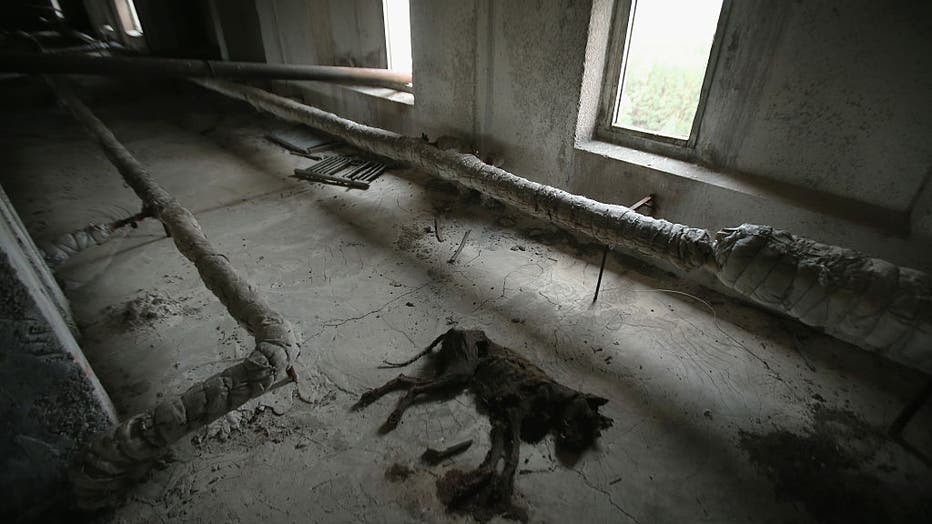
The carcass of a dog lies in a facilities room of an abandoned 16-storey aparment building on September 29, 2015 in Pripyat, Ukraine. (Photo by Sean Gallup/Getty Images)
The world learned of the disaster only after heightened radiation was detected in Sweden.
Eventually, more than 100,000 people were evacuated from the vicinity and a 1,000-square-mile exclusion zone was established where the only activity was workers disposing of waste and tending to a hastily built sarcophagus covering the reactor.
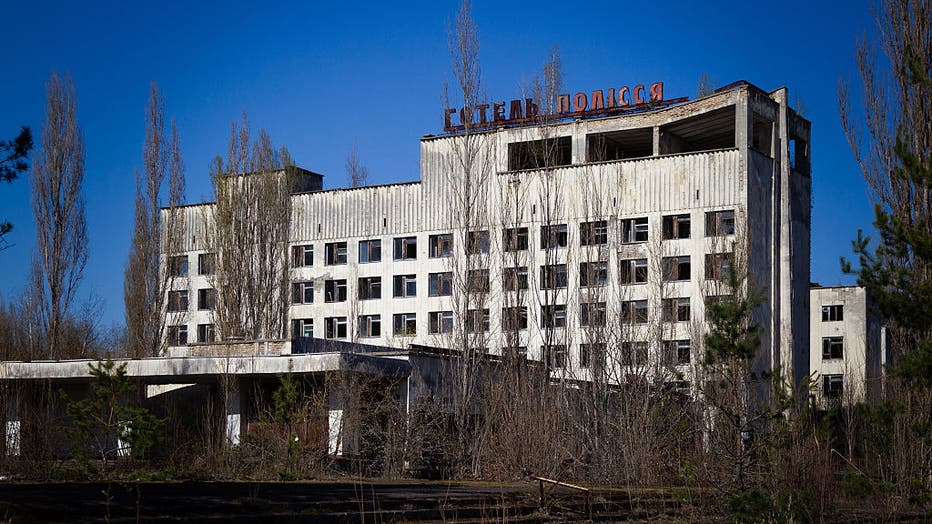
The Polissia Hotel is in Pripyat, a city abandoned after the Chornobyl accident, Kyiv region, Ukraine, on April 14, 2026. (Photo by Kyrylo Chubotin/Ukrinform/NurPhoto via Getty Images)
Chernobyl explosion impact
Why you should care:
According to the World Nuclear Association, the Chernobyl accident caused the largest release of radioactive material ever from a civilian nuclear plant. Radioactive substances were released into the air for about 10 days, affecting millions of people in Belarus, Russia, and Ukraine.
Firefighters who responded to the initial fires were among the first victims. Although the fires were put out within hours, high radiation exposure caused 28 deaths by the end of July 1986. Many workers and firefighters suffered from acute radiation sickness, which happens after very high radiation exposure in a short time. The highest doses were extremely dangerous and often fatal.
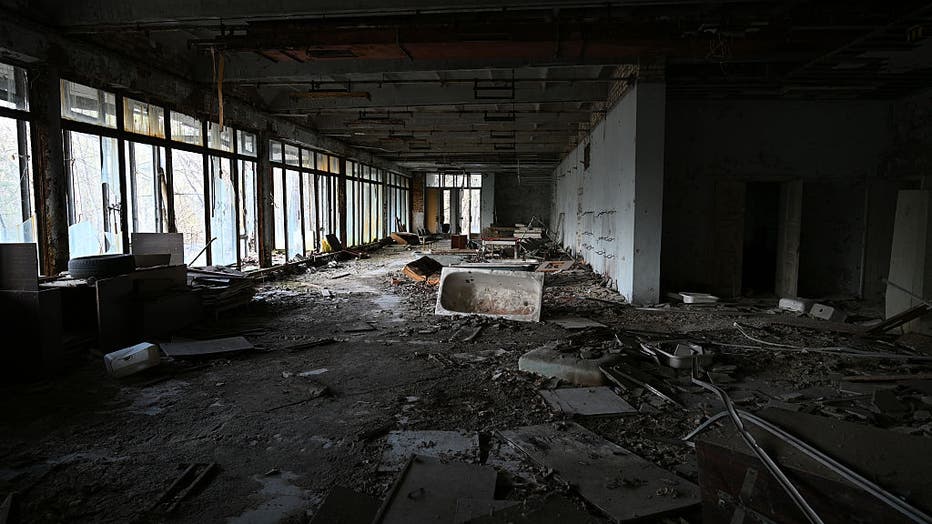
The ground floor of an abandoned 16-storey building, known as the ''white house,'' is seen at 6 Kurchatova Street in the ghost town of Prypiat, radioactively contaminated by the Chornobyl disaster, Kyiv region, Ukraine, on April 23, 2026. (Photo by Y
After the accident, a large cleanup effort began. Around 200,000 workers, called "liquidators," helped contain the damage in 1986–1987. They were exposed to significant radiation. Over time, more than 600,000 people took part, though most received lower doses.
People living near the plant were also affected. About 45,000 residents of Pripyat were evacuated the day after the accident. Within weeks, around 116,000 people living within about 19 miles were moved, and later another 220,000 people were relocated. Some residents returned illegally to the area.
In total, about five million people lived in contaminated regions. However, for most people, the increase in radiation exposure over time was relatively small compared to normal background levels.
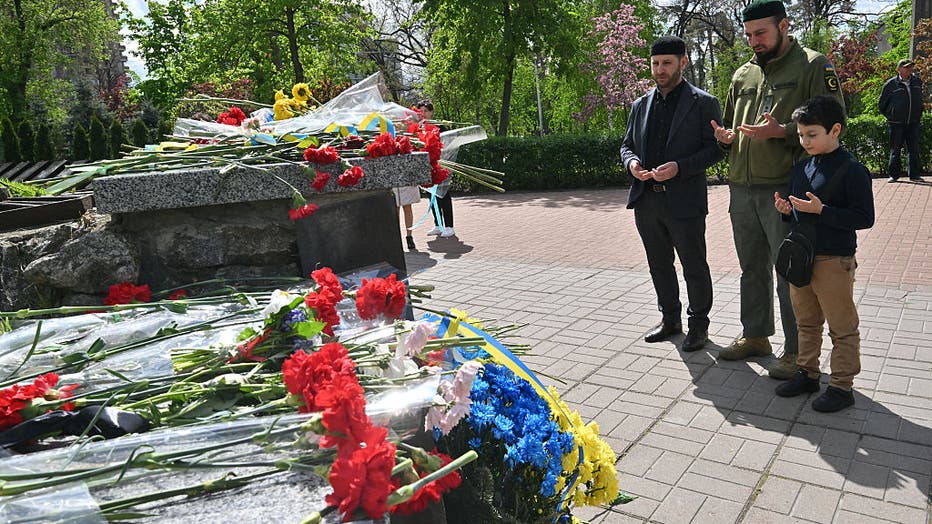
Crimean tartars pray as they pay tribute victims at Chernobyl memorial in Kyiv on April 26, 2025 during the commemoration of the victims of the Chernobyl nuclear disaster on the 39th anniversary of the world's worst nuclear accident. (Photo by Sergei
Chernobyl by the numbers
By the numbers:
- More than $2.25 billion: The amount of money being spent by an internationally funded project to build a long-term shelter over the building containing Chernobyl’s exploded reactor. Once the structure is in place, work will begin to remove the reactor and the lava-like radioactive waste.
- 1,838 square miles: The amount of land around the plant that had to be abandoned because of heavy radiation and fallout, about half of it in Ukraine, where the plant is located, and the rest in Belarus. The area is approximately equal to the size of Rhode Island.
- About 600,000 people: Chernobyl’s so-called "liquidators," those sent in to fight the fire and clean up the worst of the nuclear plant’s contamination. They were all exposed to elevated radiation levels.
- About 350,000 people: Those evacuated from the explosion area in the early days after the accident, including all the 45,000 residents of the plant workers’ city of Pripyat, or subsequently resettled by the government.
- 30 workers: Plant employees who died in the explosion or from Acute Radiation Sickness within months.
- 9,000 to uncountable: The eventual death toll from Chernobyl is subject to speculation and dispute. Even after the last person who was alive on the day of the explosion dies, other deaths may be attributable to Chernobyl because of the radiation fallout that has entered the food chain. The World Health Organization’s cancer research arm suggests 9,000 people will die due to Chernobyl-related cancer and leukemia if the deaths follow a similar pattern to the Hiroshima and Nagasaki atomic bombings. The Greenpeace environmental group says the eventual Chernobyl death toll could be 90,000.
- 2 days: The length of time until the world knew anything about the blast. Only after workers at a Swedish nuclear plant detected fallout and then analyzed where it could have come from did a picture of what had happened begin to form. The state-controlled Soviet news media waited nearly three days to acknowledge anything had gone wrong, and even then downplayed its severity.
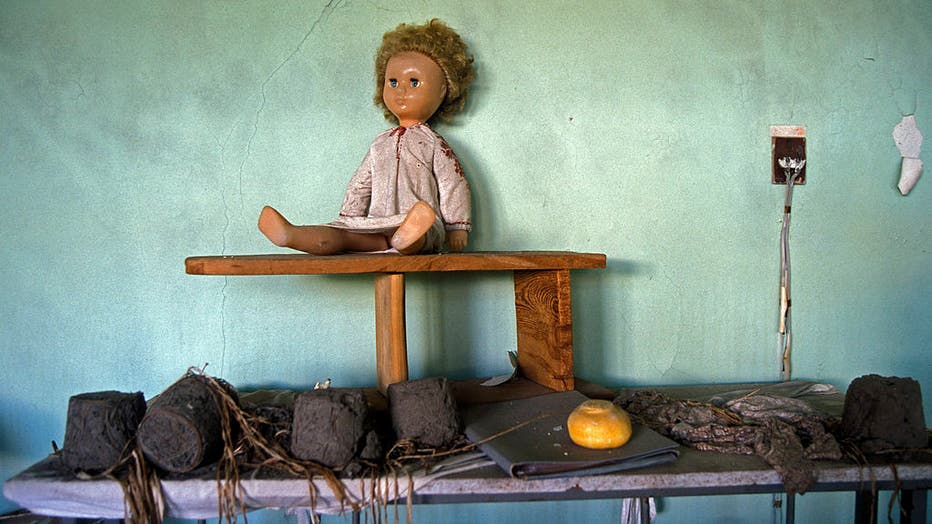
Nothing has moved in the Prypyat primary and nursery schools. (Photo by Patrick Landmann/Getty Images)
Chernobyl's future
What's next:
The Chernobyl plant is out of service, but there is still much work to be done at the decommissioned plant.
All four of its reactors are to be dismantled only by 2064.
Ukraine also has decided to use the deserted zone as the site for its centralized storage facility for the spent fuel from the country’s four remaining nuclear power plants, and that is to open this year. Until recently, the fuel was disposed of in Russia.
The Source: The Associated Press contributed to this report. The information in this story comes from a combination of historical records and research by international organizations, including the World Nuclear Association, the United Nations Scientific Committee on the Effects of Atomic Radiation (UNSCEAR), and the World Health Organization. This story was reported from Los Angeles.